10 Chicken Quotes and Sayings for Signs — Short Enough to Paint
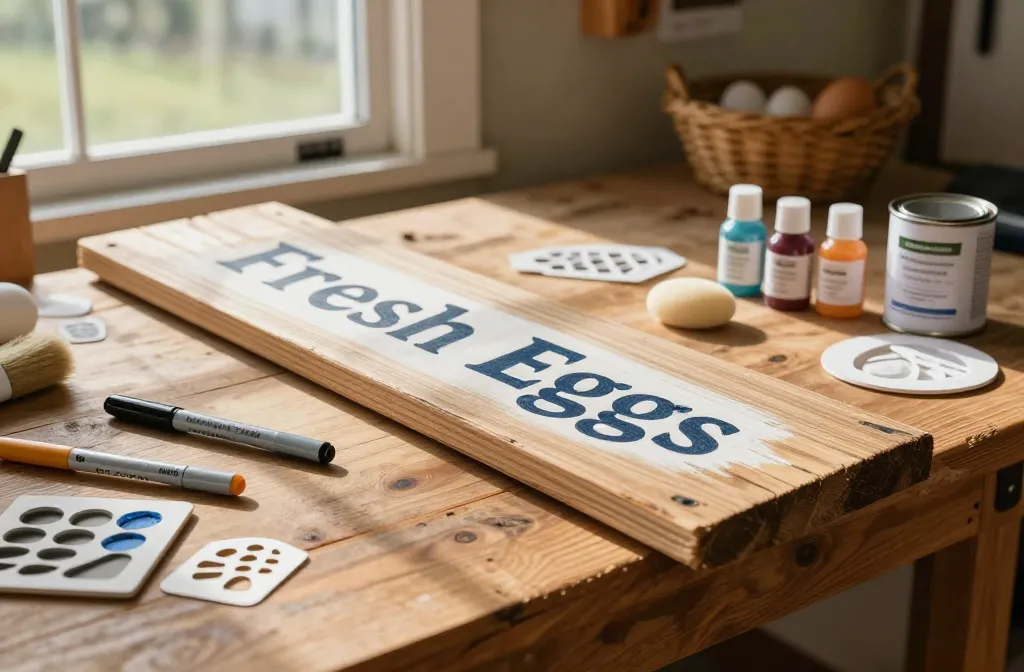
10 Chicken Quotes and Sayings for Signs — Short Enough to Paint is exactly what I wished I had the first time I stood in the garage with a scrap board, a paint pen, and zero plan. I’d already spent $14 on stencils and another $9 on a paint marker I did not need, then froze because my “clever” line wouldn’t fit on a 12-inch plank. Here are the 10 phrases that actually fit, read clean from a few feet away, and didn’t make me roll my eyes two weeks later. You’ll get paint-ready wording, size notes that worked in my yard, and the materials I used that didn’t smear in dew.
1. “Fresh Eggs” — Two Words You Can Read From the Gate
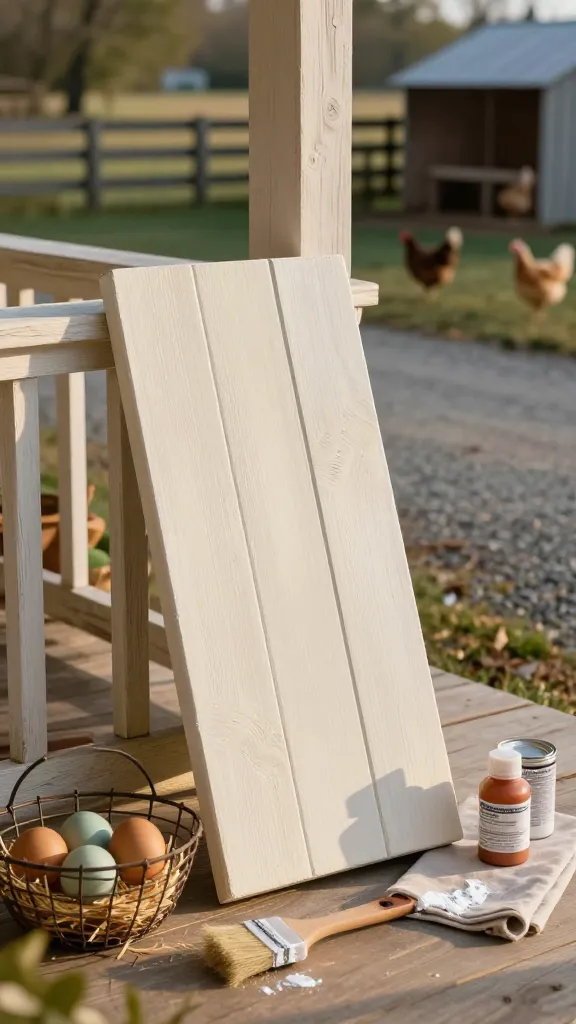
I wanted a porch sign that didn’t scream “Pinterest,” just something that told neighbors we have eggs a few days a week. My first attempt said “Farm Fresh Eggs Collected Daily,” which needed a billboard; I crammed it onto a 10×12 and it looked like a ransom note. “Fresh Eggs” on a 1×6 fence board cut to 18 inches worked. I used exterior craft paint ($1–$3 for a 2 oz bottle), a foam brush ($1), and sealed with a clear exterior polyurethane ($8–$12) so it wouldn’t fog after a wet night. It’s held color for 14 months under a shallow porch.
Make it yours: stencil a 2-inch egg shape at the left edge if you sell — I added “$5/doz” with a paint pen once a week and wipe with alcohol to update the number when feed prices shift.
2. “Mind the Beak” — Polite Chicken Warning in Three Syllables
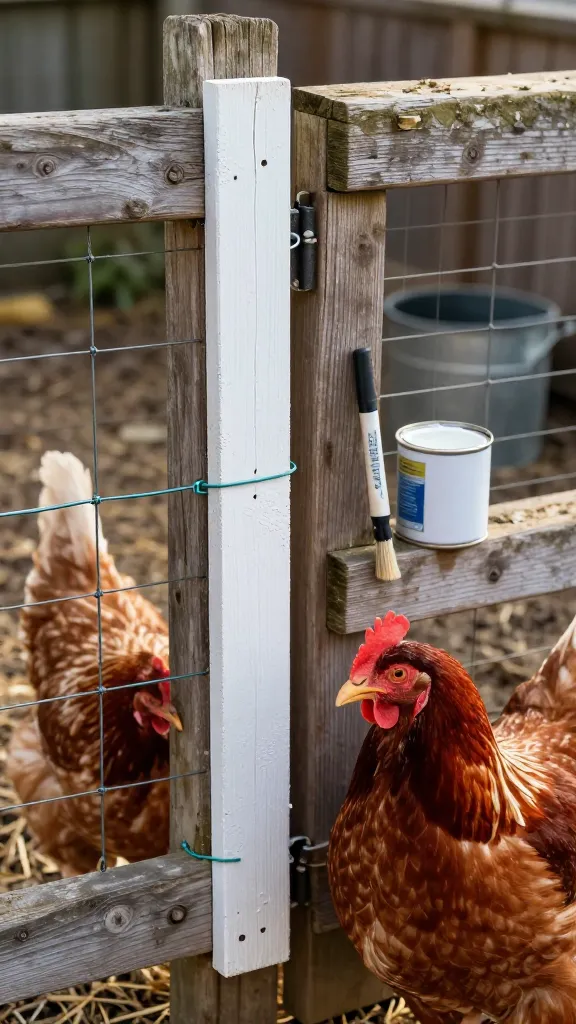
The day my niece learned that “gentle” is a suggestion chickens don’t always take, I realized our run gate needed a warning that wasn’t scary. I tried “Caution: Birds May Peck,” but people still swung the gate fast. “Mind the Beak” painted 1.5-inch tall across a 12-inch lath strip did better. Materials were a cedar lath ($1–$2), white primer ($6–$9 per quart, I used leftovers), and a black chisel-tip paint marker ($3–$6). It took 20 minutes and ties on with garden wire. It’s gone through two summers without fading because cedar doesn’t wick water like pine.
Make it yours: if your gate is wider than 24 inches, bump the letters to 2 inches tall so guests can read it from 6–8 feet without stopping.
3. “Shut the Door” — The Reminder That Saved Me a Morning
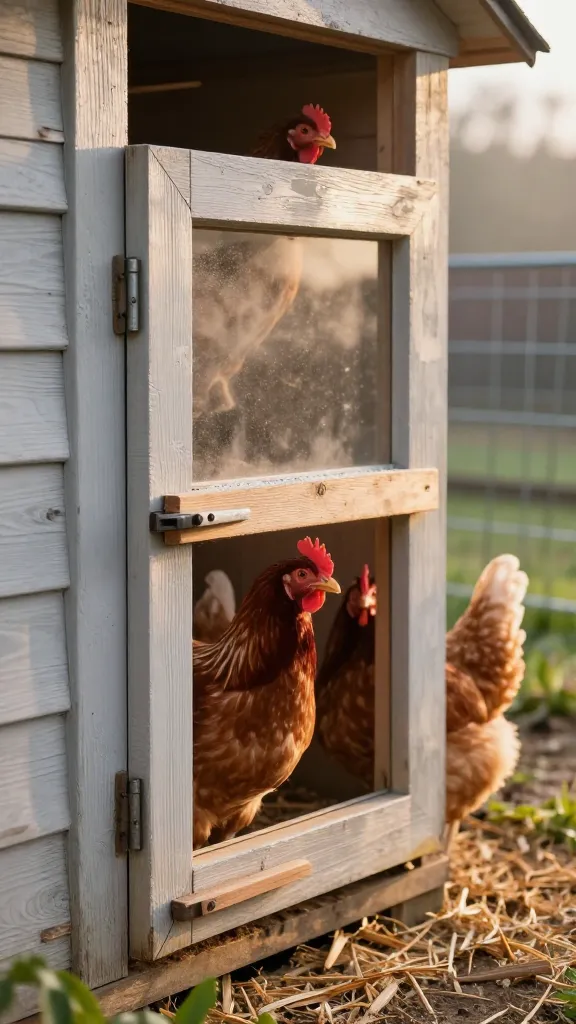
One late dusk I fed, answered a text, and left the pop door propped. No losses that night, but my stomach was in my shoes when I saw it at sunrise. I painted “Shut the Door” right on the coop frame at eye level. I used exterior enamel I already had and masking tape to keep it clean; cost to replicate with a sample pot is $5–$7. The words are 1-inch letters on a 10-inch span. Not cute, just readable. I touch it up once a year; the first try peeled because I didn’t scuff the gloss, so I hit the area with 120-grit first now.
Make it yours: add a 1-inch square checkbox you can physically tick with chalk at lockup if multiple people share chores — we tried this for 3 weeks and missed zero closes.
4. “Quiet, Chicken Layers At Work” — Humor That Doesn’t Age Fast
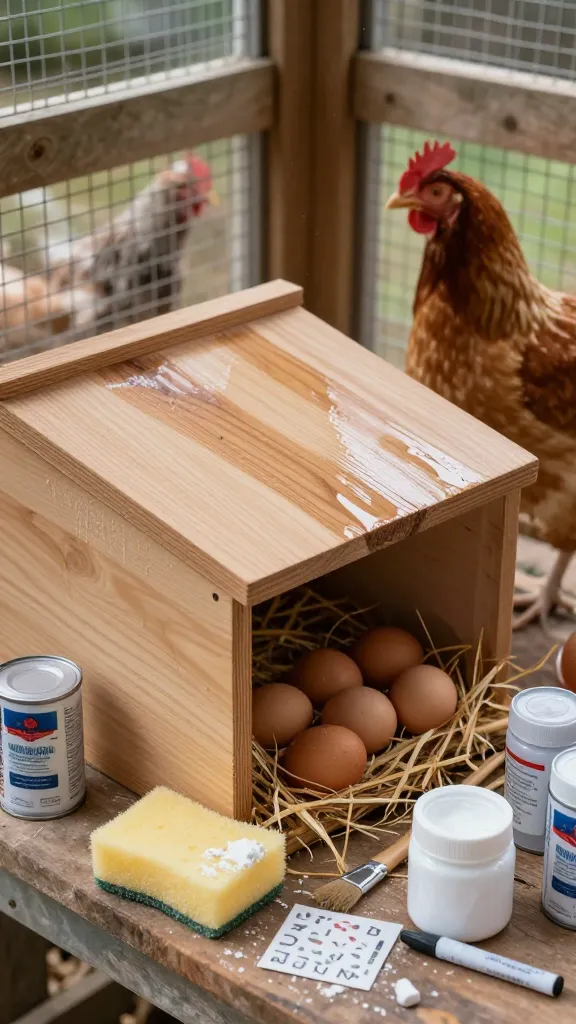
I wanted one joke that still feels kind to the birds and to guests, not the groaners I painted onto my first feed bin and sanded off two months later. “Quiet, Layers At Work” on the nest box lid passed the cringe test at 6 months. I lettered it in white on stained plywood using a stencil alphabet ($7–$14) and a sponge. The lid gets damp from condensation; my first pass with chalk marker ghosted. Paint plus two light coats of clear exterior sealer ($8–$12) has kept it crisp for a full winter.
Make it yours: swap “Layers” for “Mamas” if you run broodies in season — same letter count, same fit on a 16-inch lid.
5. “Water Here” + Arrow — End the Daily Guessing
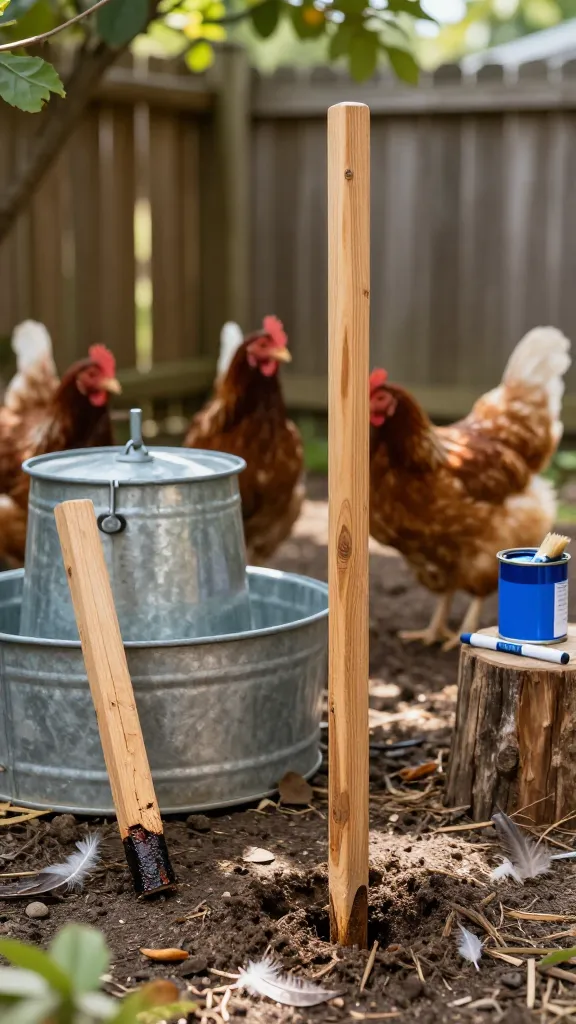
When I moved the waterer for summer shade, everyone (family, not birds) asked me where it went. I painted “Water Here” with a left arrow right onto a scrap stake and drove it by the summer spot. A primed paint stir stick would work; I used a 24-inch cedar stake ($2–$4), blue exterior paint for visibility, and a broad-tip white paint pen ($3–$6). The first time I stuck it straight into a damp corner and the bottom wicked water and split in 2 weeks. The second stake lasted the whole season after I sealed the bottom 3 inches and set it in gravel.
Make it yours: add a winter flip side — paint “Heated Base Here” on the back if you shift to a heated setup; I flip mine around the week we get our first 28°F night.
6. “Close It. Latch It.” — Predator-Proofing in 4 Words
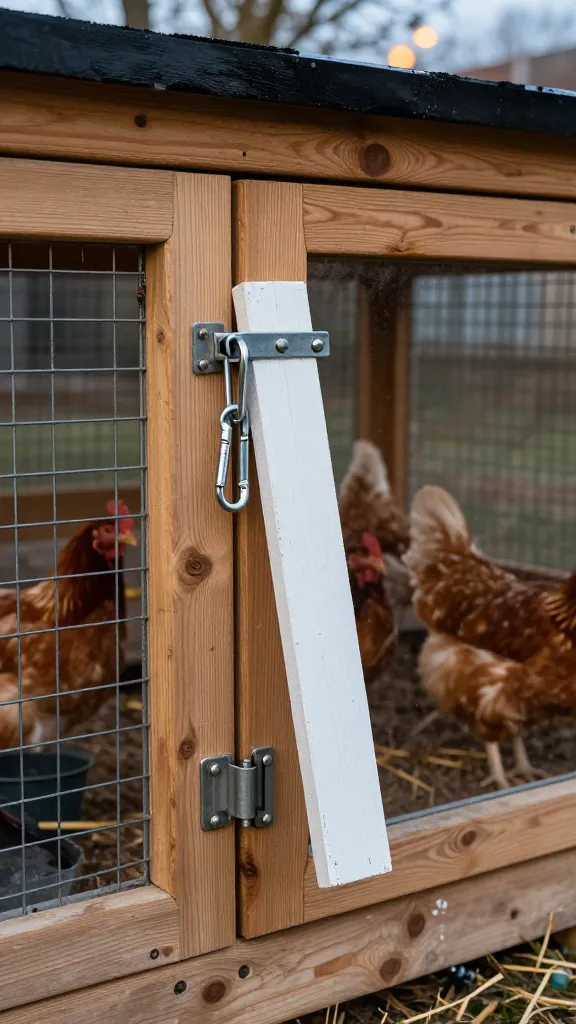
Raccoons taught me to stop writing cute and start writing habits. I mounted a 6-inch strip by the human door that says “Close It. Latch It.” in 1-inch caps spaced with painter’s tape. Materials were a 1×3 offcut ($0–$2 from the bin), primer, and leftover black enamel. It cost me nothing new; call it $6–$9 if you buy a sample pot. I screwed it right where my hand reaches for the carabiner. Since I put it up, I skip fewer lockups — my old brain needs blunt prompts at dusk.
Make it yours: if your latch needs two motions, add a tiny dot under each word and fill the dots with red and green to match your “done” sequence — it helped my teen do it in the right order.
7. “Scratch Zone” — Keep the Chicken Mess Where It Belongs
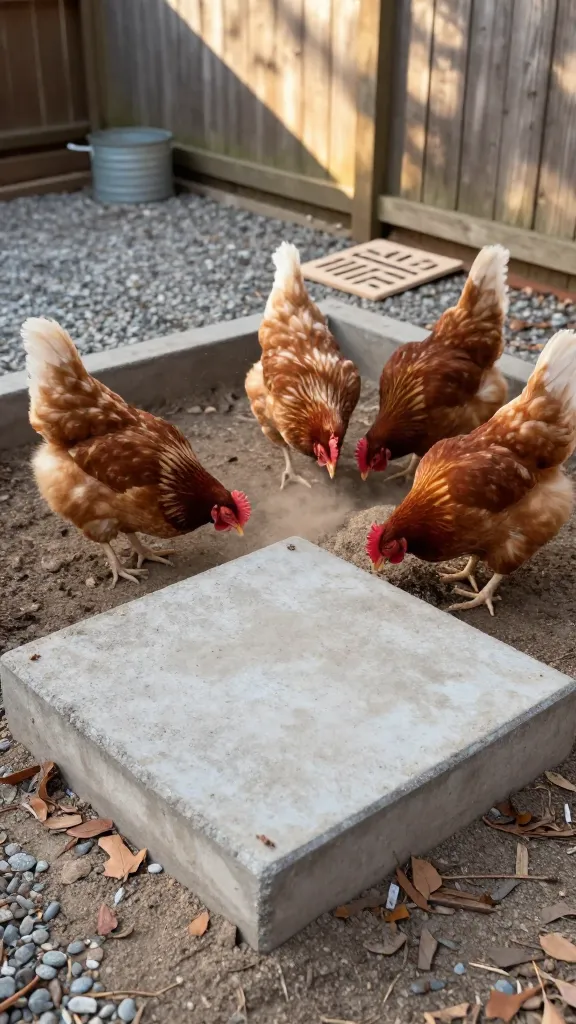
When I started tossing scratch anywhere, the dust baths spread to everywhere too. I made a sand-and-leaf pit by a fence and marked it “Scratch Zone” on a 12×12 paver with masonry paint ($12–$18 quart, I used 1/10 of it). My first try with regular craft paint wore off in 10 days; masonry paint plus a quick wire-brush prep has held for 9 months with only a small fade. Visitors learn to treat that corner as the treat spot, which keeps the flock from mobbing the main path.
Make it yours: stencil paw prints if your birds are more motivated by patterns than words — mine cue off the routine, but the prints helped kids remember where to toss.
8. “Clean Bucket Only” — Feed Room Triage That Works
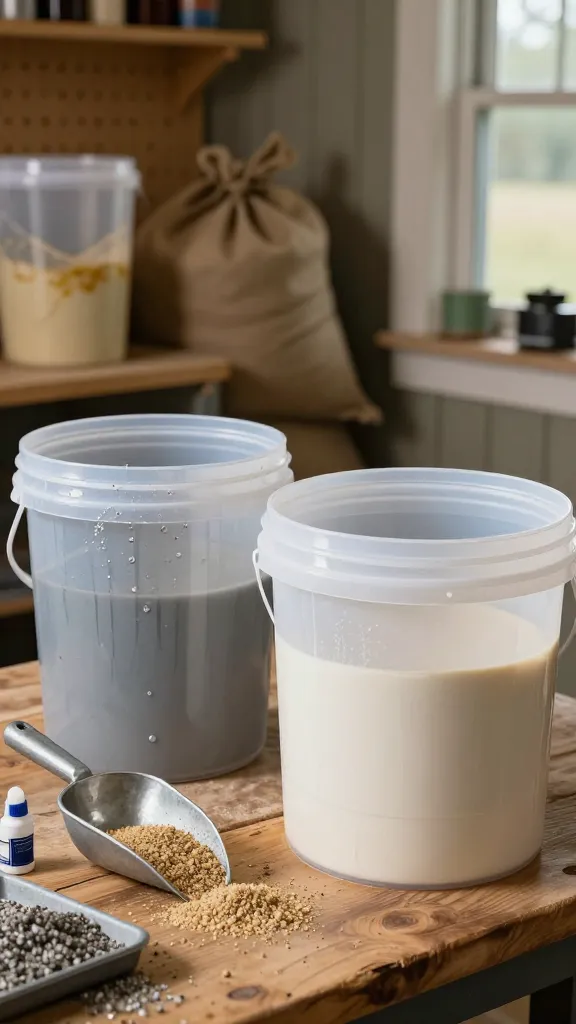
I had one bucket for everything for way too long, and cross-contaminated grit into fermented feed. I spent $6 on a second 5-gallon and painted “Clean Bucket Only” across both sides with a paint pen. The first time I wrote it, condensation from the ferment wiped it to gray in a week. Second time I scuffed, primed a strip, and used oil-based marker; 5 months later it still reads dark. Is a label overkill? It cost me 6 minutes and saved me two ruined batches that were $4–$6 apiece in grain and culture.
Make it yours: assign a color — blue lids = water duty, black lids = dirty jobs. The sign is backup for sleepy mornings.
9. “No Bread” — The House Rule That Stopped the Tosses
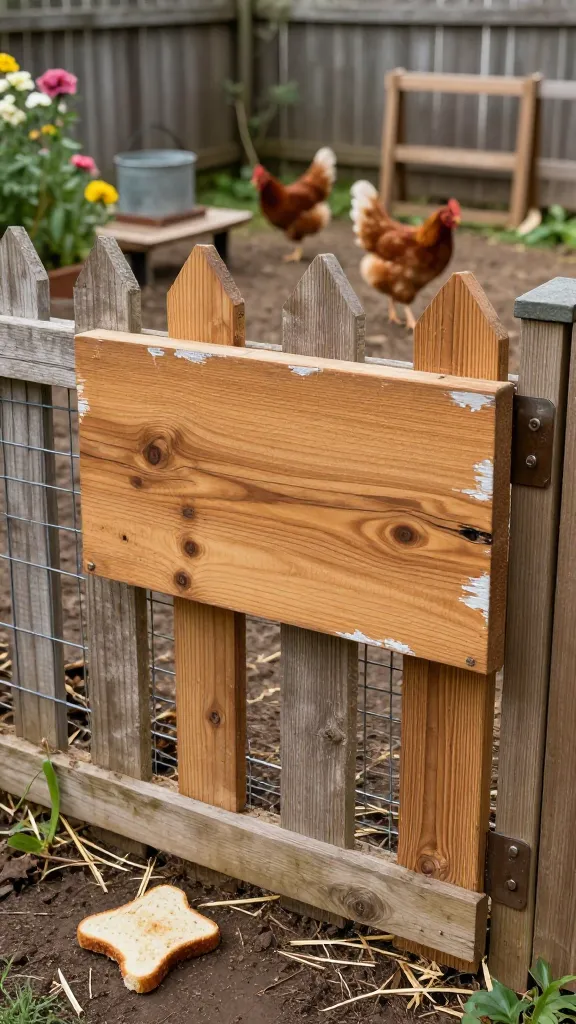
Well-meaning family kept bringing crusts and stale bagels even after I said no. I painted “No Bread” on a small fence plaque at eye level by the run. Materials were a $3 pine shape, a $1 foam brush, and leftover exterior white with black letters. Total new spend: $4–$6. The first pine plaque cupped in rain and split after 6 weeks. Switching to cedar fence picket offcut fixed it; that version is at 11 months and fine. Short is kind — longer signs get ignored. And yes, the tosses stopped.
Make it yours: if your non-negotiable is different, write that — mine also says “No Avocado” inside the gate latch where only feeders see it.
10. “Brooder: Hands Clean” — The Reminder That Kept Chicks Well
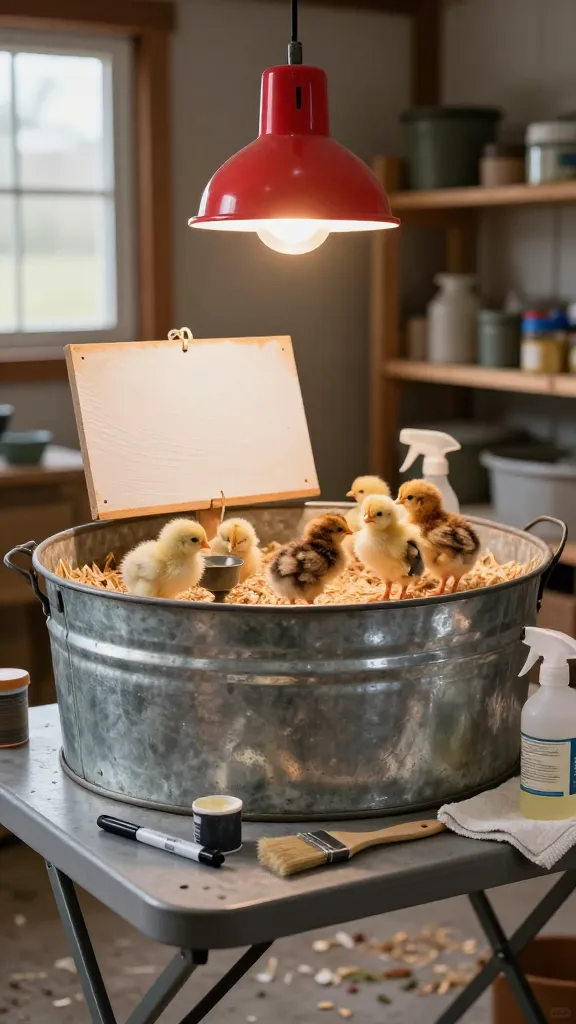
My first brooder ran in a stock tank on a folding table, and too many hands went in between chores. I lettered “Brooder: Hands Clean” on a 3×10 scrap and zip-tied it to the rim. I used a $3 waterproof marker over a quick primer swipe; the first time I skipped the primer and it beaded. With primer, it survived two brooder cycles (about 12 weeks total) and wiped clean with diluted vinegar. It’s not a medical protocol — for real illness questions I call an avian vet — but the sign cut the random touches, and my pasty-butt cases dropped from 3 to 1 in the next batch.
Make it yours: in a kid-heavy house, add a timer clip under the sign — I hung a $6 1-minute sand timer so they scrub while it runs before handling a chick.
Frequently Asked Questions
How long should a chicken sign phrase be so it reads from the yard?
Keep it under 12 characters per line if you’re painting by hand on a 1×6. At 1.5–2 inch letters, that stays legible from 8–12 feet. I plan my boards to be 14–24 inches long so I can center the words without crowding the edges.
What paint holds up best on outdoor chicken signs?
Exterior acrylic or enamel, then seal with a clear exterior polyurethane. A sample pot ($5–$7) and a rattle-can sealer ($8–$12) have outlasted my chalk markers by months; chalk ghosted in 10–14 days in dew. Scuff glossy surfaces with 120-grit first so the letters don’t peel.
Any safe humor for a coop sign that won’t get old?
Short and kind holds up: “Quiet, Layers At Work,” “Mind the Beak,” or “Close It. Latch It.” I retired my longer jokes in under a month. If you wince reading it out loud, you’ll sand it off by next season.
What size board fits “Fresh Eggs” on a coop?
A 1×6 cut to 16–18 inches fits 2-inch letters with breathing room. I space letters with painter’s tape to keep them even. If you want a small egg icon, add 2 inches to the board length.
Do I need to seal signs if they’re under a roof overhang?
Yes. Dew and sideways rain still find them. Two light coats of exterior sealer added $8–$12 to my materials and stretched color life from 3–4 months to a full year on pine, and longer on cedar.
Start With One Board and a Real Brush
If you stalled out on a long, clever line, cut it to three words and paint it clean this weekend. A scrap of cedar, a $5 sample pot, and 20 minutes will get you a sign you won’t hate in six weeks. I keep the jokes short and the safety reminders blunt — my birds don’t read, but my sleepy brain does.
— ask me how I know.