What Not to Feed Chickens — The Complete Toxic List
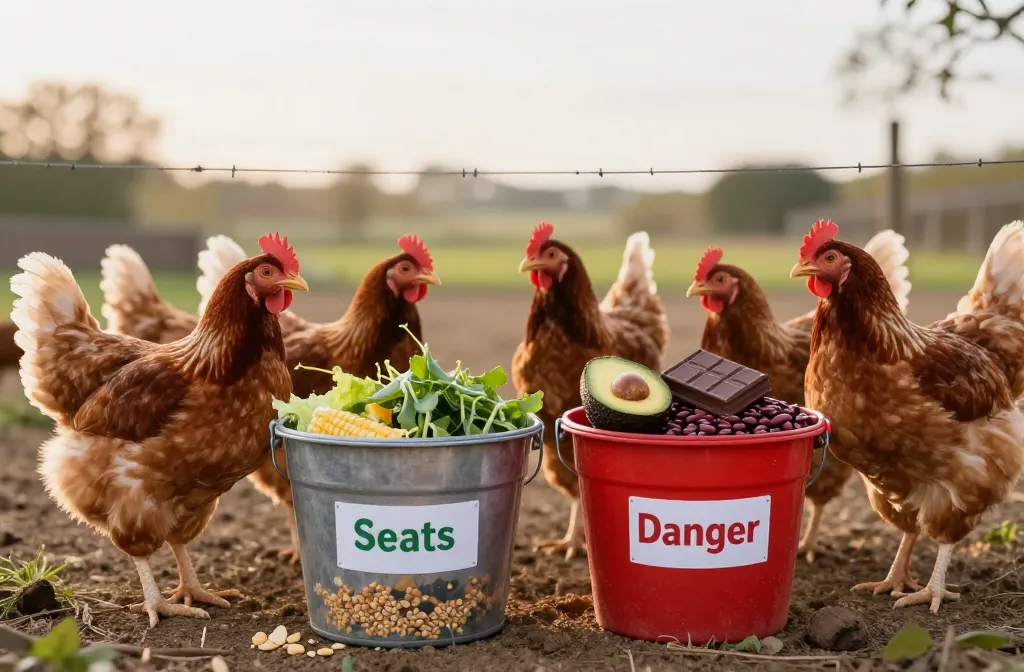
You’re scraping plates after dinner and the bucket is ready for the coop: this is where most mistakes happen. What Not to Feed Chickens needs a clear line, because the wrong scraps, plants, or “treats” can kill a bird fast or harm her slowly. In the next few minutes you’ll have a complete toxic list, the quantities that cause trouble, and what to do if a hen eats the wrong thing. No guesswork, no “a little is fine” waffling — just the safe cuts and the hard noes.
The Red List: Foods That Are Always Off-Limits

Some items are never safe — not small amounts, not cooked, not dried. They contain compounds that cause heart failure, neurologic signs, or gut damage even at low doses. Keep these out of the kitchen-scrap bucket entirely and out of the run.
- Avocado (peel, pit, leaves): Contains persin, which causes respiratory distress and heart muscle damage. Zero avocado parts to chickens; compost it away from the run.
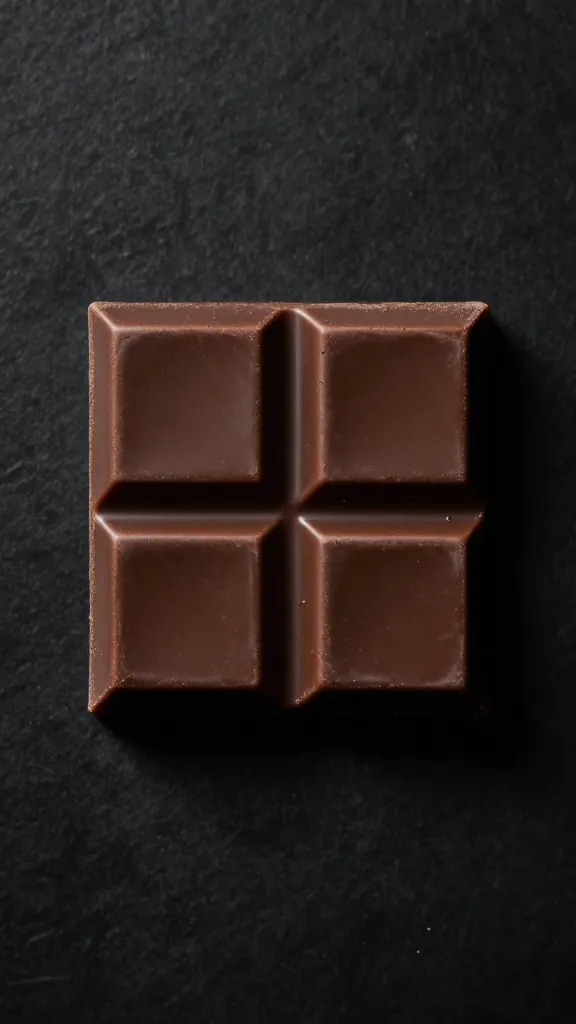
- Chocolate and cocoa: Theobromine and caffeine trigger cardiac arrhythmias and seizures. Dark baking chocolate is the most dangerous; treat any amount as toxic.
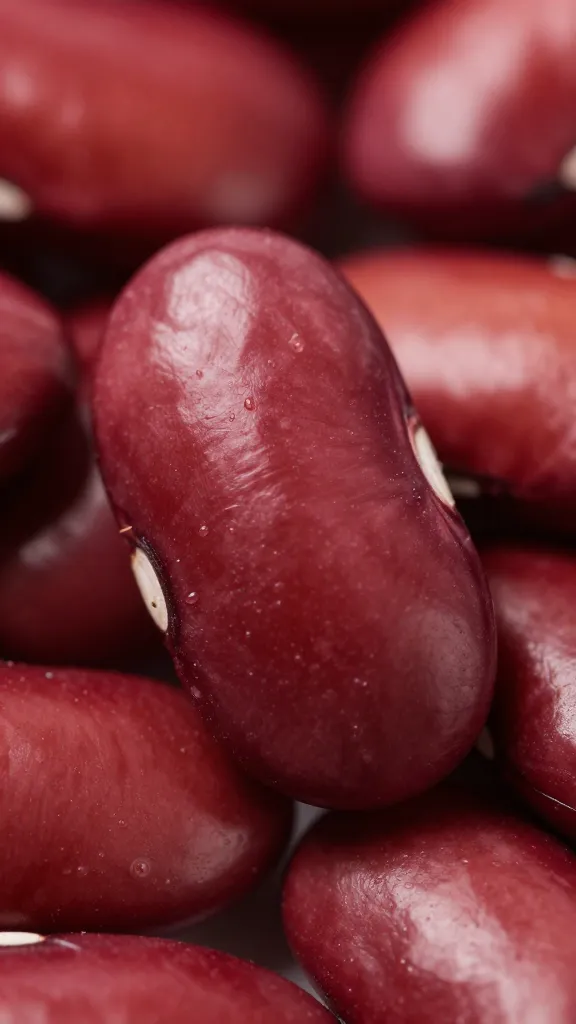
- Dried or raw beans (especially kidney, lima, broad): Uncooked beans contain phytohaemagglutinin (PHA). As few as 2–3 raw kidney beans can be lethal. Only fully cooked, soaked, and boiled beans that have been at a rolling boil for 10+ minutes are safe; when in doubt, don’t feed beans.
- Green potato peels, green/sprouted potatoes, and green tomatoes: Solanine and chaconine cause GI and neurologic signs. Ripened red tomato fruit is fine; leaves, vines, flowers, and any green parts are not.
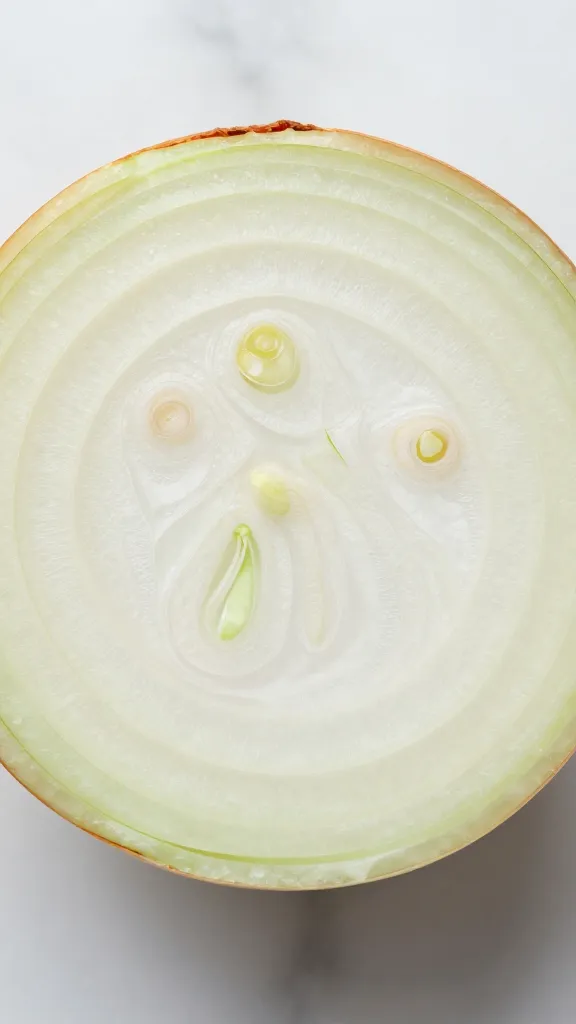
- Onion (all forms, including powder): N-propyl disulfide damages red blood cells and causes anemia. Keep onion-heavy leftovers out of the scrap mix.
- Xylitol (sugar-free gum, candies, baked goods): Causes hypoglycemia and liver failure in many species; treat as toxic to poultry. Do not allow access to any sugar-free products.
- Alcohol and foods cooked in significant alcohol: Ethanol depresses the CNS; metabolism in birds is rapid and risky. Skip the wine sauce and beer-soaked anything.
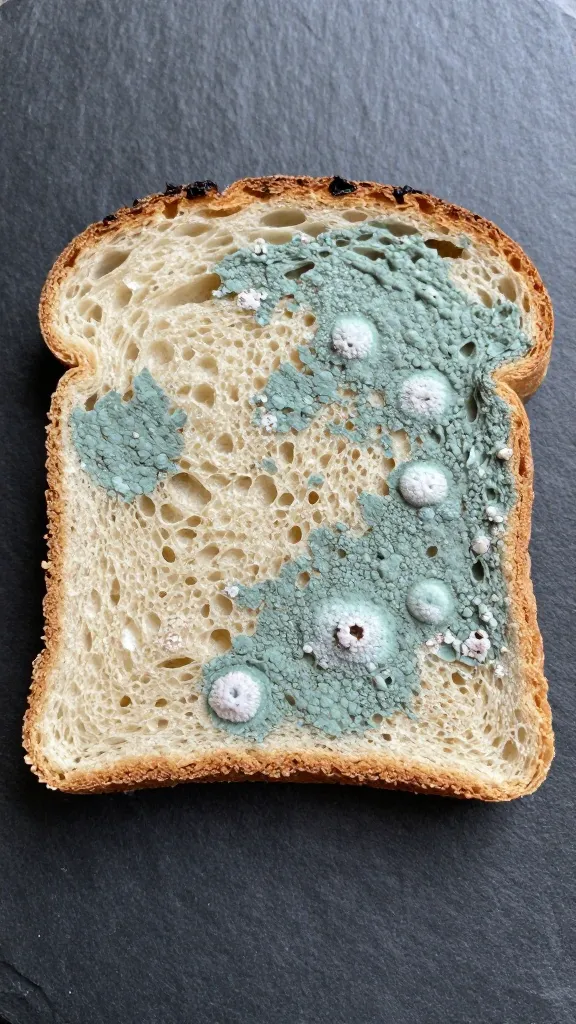
- Moldy or spoiled food: Mycotoxins (aflatoxin, ochratoxin) cause liver damage and immunosuppression. If you wouldn’t eat it fresh yourself, the flock doesn’t get it.
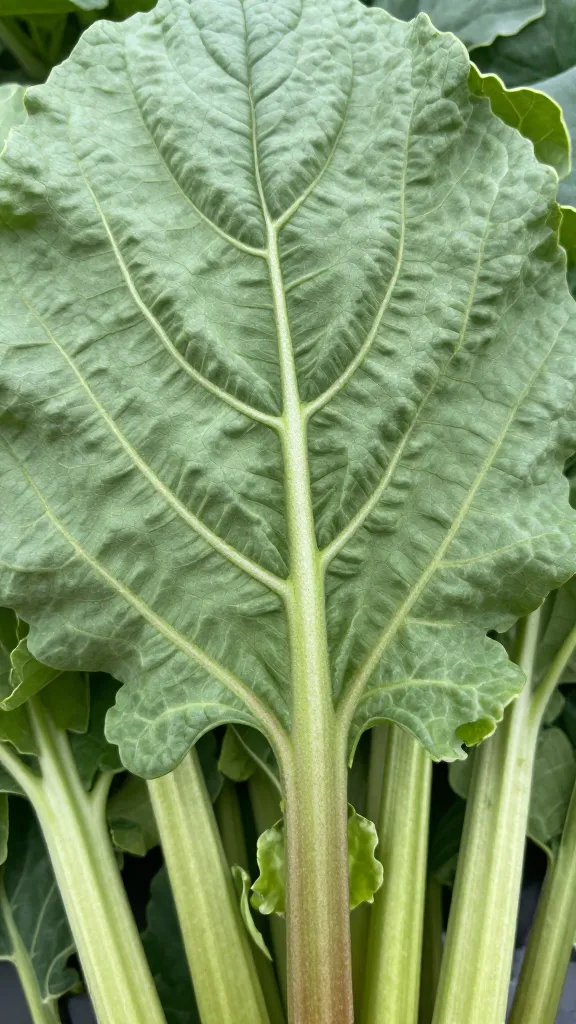
- Unripe elderberries, holly, yew, rhubarb leaves: Contain cyanogenic glycosides or cardiotoxic alkaloids. Keep plants trimmed back at least 24 inches from the run fence.
Where Can You Research the 3-Bean Limit?
| Source | What It Says |
|---|---|
| ChickenDVM — Kidney Beans Poisoning in Chickens | A veterinary-authored poultry toxicity reference explaining that raw kidney beans contain phytohaemagglutinin, a toxin that is always fatal to poultry in its raw form, and that illness can appear after as few as three to four beans. |
| Illinois Extension — Killer Kidney Beans? | University of Illinois Extension explains how raw kidney beans concentrate phytohaemagglutinin and why a full rolling boil, not soaking alone, is required to neutralize it before feeding. |
| Centre for Food Safety (Hong Kong) — Phytohaemagglutinin Poisoning | A government food-safety bulletin on how phytohaemagglutinin causes red blood cells to clump, and why proper cooking rather than soaking is the only reliable way to destroy the toxin. |
| K-State Research and Extension — Cooking Dry Beans Safely | Kansas State University Extension confirms that slow cookers and crockpots do not reach the temperature needed to deactivate PHA, and that beans must be rapidly boiled to be made safe. |
Triage rule: if a bird eats a red-list item, remove access immediately, provide fresh water, confine to a warm, quiet crate, and call an avian vet or extension line. Early decontamination windows are short.
“It Depends” Foods: Only Safe With Prep, Ripeness, or Limits

These foods are commonly fed but have rules. The mistake is assuming kitchen-safe equals chicken-safe at any dose. Respect the prep and the portion.
- Raw eggs: Encourage egg-eating behavior and carry salmonella risk. Only feed fully cooked, scrambled eggs, cooled, as a protein treat, at 1–2 tablespoons per hen no more than 2–3 times per week.
- Brassica stems/leaves (cabbage, broccoli, kale): Fine in moderation, but excess can affect iodine uptake. Keep total treats, including greens, to ≤10% of daily intake; provide free-choice layer feed 16–18% protein and a separate oyster shell dish.
- Spinach, beet greens, chard: High in oxalates, which bind calcium. Offer small portions (a handful per 4–5 hens) no more than once weekly, not during peak lay if you see thin shells.
- Fruit peels and cores (apple, pear): Seeds contain cyanogenic compounds; tiny amounts are unlikely to harm, but do the simple thing and remove seed clusters before feeding.
- Peanuts and other nuts: Unsalted and plain only; high fat displaces feed. Limit to 1 teaspoon per hen as a rare treat; avoid any signs of mold (aflatoxin risk).
- Cooked beans: Only after a full soak and boil 10+ minutes; slow cookers do not get hot enough to destroy PHA. Rinse after boiling.
- Nightshade fruit (ripe tomatoes, ripe peppers): Ripe red fruit is fine; discard leaves, stems, and green parts.
- Citrus: Not toxic, but some keepers report decreased intake of layer feed. If used, keep to small wedges and observe shell quality.
Backyard Hazards Outside the Feed Pan

Toxic exposure isn’t just leftovers. Many coops sit under landscaping and behind garages — that’s where the quiet poison lives.
- Pesticides, rodenticides, and slug baits: Anticoagulants and metaldehyde are deadly. Store in sealed, latched totes and never broadcast in or within 30 feet of the run. Choose pet-safe slug controls only if label-approved for poultry areas and still keep them out of reach.
- Pressure-treated sawdust, paint chips, and treated wood shavings: Ingestion of chromated copper arsenate residues and lead paint is harmful. Use only kiln-dried pine shavings in the coop, not shop sweepings.
- Compost piles: Warm, moldy pockets grow mycotoxins fast. Fence compost or keep it at least 10 feet from the run, turning with a lid or cover.
- Decorative plants within pecking reach: Lily-of-the-valley, foxglove, azalea, oleander. Plant a barrier or line the fence base with 1/2-inch hardware cloth, 24 inches tall, to stop reach-through nibbling.
Grit, Shell, and Salt: Small Things That Go Wrong
Even “safe” foods become problems when basic supplements are missing. Chickens need the right tools to process treats.
- Grit: Any whole grains, greens, or kitchen scraps require insoluble granite grit. Provide in a separate dish, always available, size-matched to age. Without grit, crop stasis follows a weekend of lettuce very neatly.
- Calcium: Keep oyster shell out free-choice for layers. Low calcium plus high-oxalate greens = thin shells and egg binding risk in 2–6 weeks.
- Salt and seasoning: Chickens handle only small sodium loads. Avoid heavily salted meats, brines, and pickles; if a leftover tastes very salty to you, don’t feed it.
- Fat and sugar: High-fat scraps (skin, drippings) and sweets displace balanced feed. Cap all treats, combined, at ≤10% of daily calories, which for a standard hen equals roughly 1/4 cup of mixed scraps per day at most — better less.
Safe Scraps That Actually Help
Most flocks enjoy a small, regular rotation of safe extras tied to weather and lay. Keep the numbers tight and the texture right.
- Vegetable trims: Carrot peels, squash, cucumbers, zucchini, cooked sweet potato (no skins if greened), lettuce, and herbs. Chop to 1/2–1 inch pieces.
- Cooked grains: Plain rice, barley, oats — cooled and drained. Offer up to 2 tablespoons per hen in hot weather when birds are off feed.
- Protein boosts: Cooked eggs, black soldier fly larvae, mealworms — portion at 1–2 tablespoons per hen, 2–3 times/week, especially during molt.
- Pumpkin and winter squash: Flesh and seeds are fine; serve in wedges. Remove after 24 hours to prevent mold.
What Not to Feed Chickens — Storage and Serving Protocol
Most toxicity comes from “how” as much as “what.” A simple system keeps the bad out and the good fresh.
- Bucket rule: Keep a lidded 2–5 gallon container for scraps. Red-list items never enter the bucket; teach the household that list.
- Timing: Serve scraps in the late afternoon, after birds have eaten their layer feed. This ensures complete nutrition first.
- Clean-up: Remove uneaten scraps after 30–60 minutes. Leftovers attract rats and grow mold overnight.
- Cut size: No pieces larger than 1 inch. Large, fibrous chunks increase crop impaction risk.
- Label and rotate: Post a simple sheet near the bin with the red list and the 10% rule. If it’s not on the sheet, it’s not fed.
The One Thing People Get Wrong
They assume chickens “know what’s good for them.” They don’t — novelty wins, and a bored flock will gorge on the one thing that unbalances their week. Set the 10% cap, serve after feed, and keep the red list out of the house scrap routine; your hens will stay healthy, and you won’t be googling “solanine symptoms” at 11 p.m.
Frequently Asked Questions
What not to feed chickens list — what are the absolute noes?
Never feed avocado parts, chocolate/cocoa, raw or dried beans, green/sprouted potatoes, green tomatoes or leaves, onion-heavy foods, xylitol, alcohol, moldy food, or toxic ornamentals like yew and rhubarb leaves. These contain persin, theobromine, lectins, solanine, or other toxins that harm hearts, nerves, or livers. Keep them out of the scrap bucket entirely and plant toxic species at least 24 inches beyond reach.
Can chickens eat potato peels or tomato plants?
They can eat cooked, non-greened potato flesh and ripe red tomato fruit, but not green peels, sprouts, or any leaves/vines. The green parts hold solanine, which causes GI and neurologic signs. If you’re trimming potatoes with any green, discard those peels and only feed cooked flesh in 1-inch pieces.
Are beans safe for chickens if they’re cooked?
Yes, fully cooked beans are safe; raw or undercooked beans are dangerous. You must soak and then boil beans at a rolling boil for at least 10 minutes to destroy PHA; slow cookers don’t reach the needed temperature. Rinse after boiling and limit to 1–2 tablespoons per hen, offered 1–2 times per week.
Is it okay to give chickens leftovers seasoned with garlic or onion?
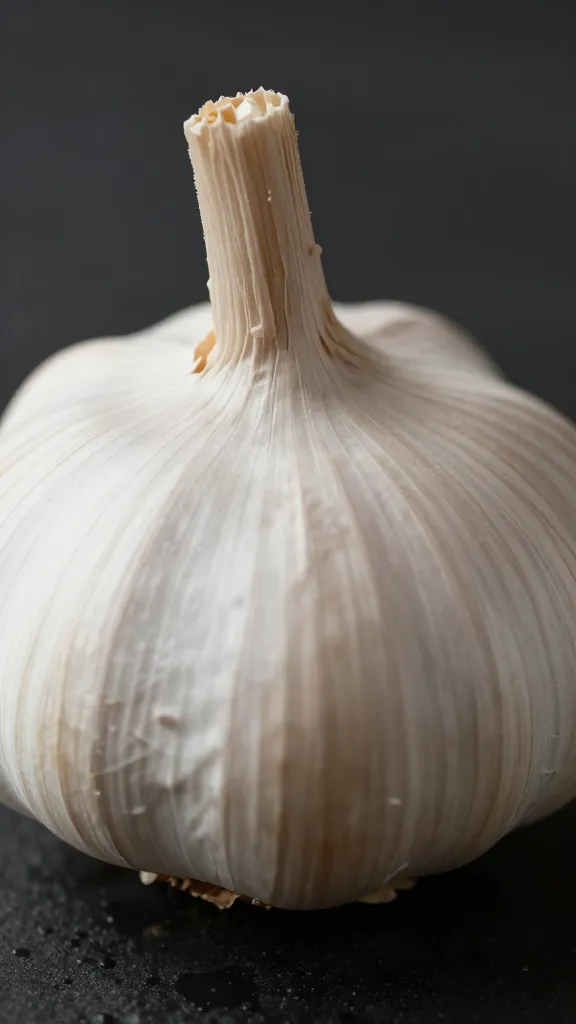
Skip onion-heavy foods; onion compounds can cause anemia in birds. Small amounts of garlic aren’t on the red list, but strongly seasoned leftovers often include excess salt and fat. When in doubt, trim off the seasoning and offer plain ingredients in 1-inch pieces, or don’t feed it.
How much kitchen scrap is too much for chickens?
Keep all treats and scraps to ≤10% of daily intake; for a standard hen that’s roughly 1/4 cup per day at most. Serve scraps late afternoon so birds fill on 16–18% layer feed first. If eggshells thin or droppings loosen for more than 48 hours, cut scraps to 0 for a week and reassess.
Can chickens have citrus or banana peels?
Citrus is not toxic but should be limited; some birds reduce feed intake with lots of citrus. Banana peels are tough and can cause crop issues unless chopped to 1/2–1 inch and offered sparingly. If your flock lacks grit, avoid peels entirely until granite grit is available free-choice.
Make the Bucket Boring
The safe program is simple: red-list items never go in, everything else stays under 10%, served after balanced feed, and cleared within 60 minutes. Tonight, tape a printed red list to the scrap bucket and set a measuring cup on top — 1/4 cup per hen is your ceiling.
— do it right once.