Barred Rock (Plymouth Rock) Breed Guide
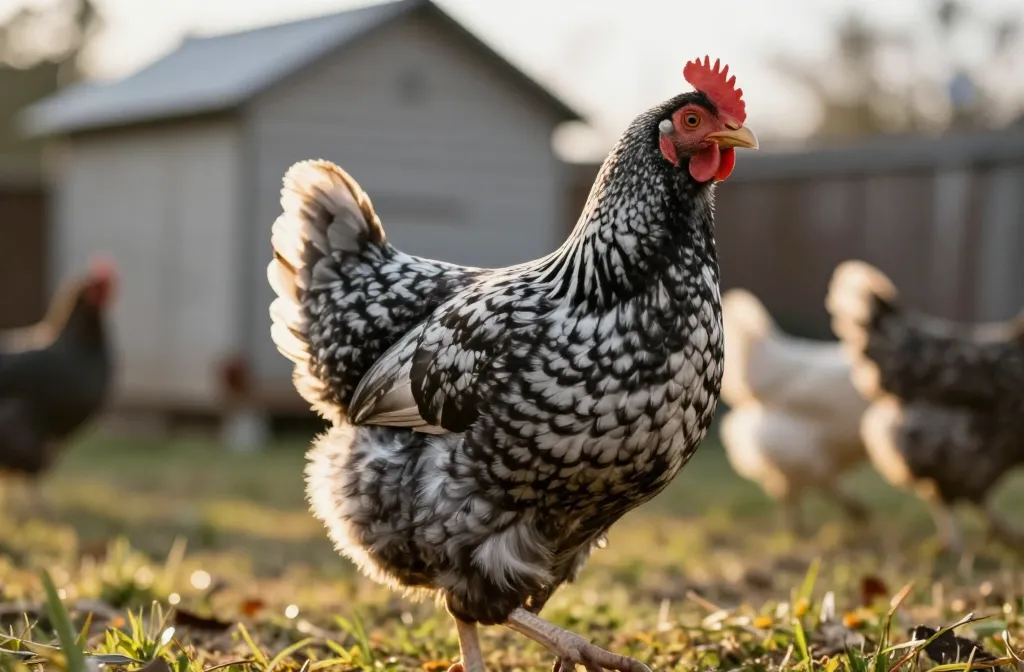
A hen with bold black-and-white barring threads through the run like a zebra in feathers, pausing to check every corner: that’s a Barred Rock (Plymouth Rock). What exactly was this bird built to do, and why does it still feel so steady and capable in a backyard today? The short answer: a true American dual-purpose breed selected for meat, consistent eggs, and level temperament — which explains the hardiness and the calm. The longer answer is in the bones, the barring gene, and the way a flock of Rocks holds together through winter and molt.
Origins: How a Utility Bird Became a Backyard Staple
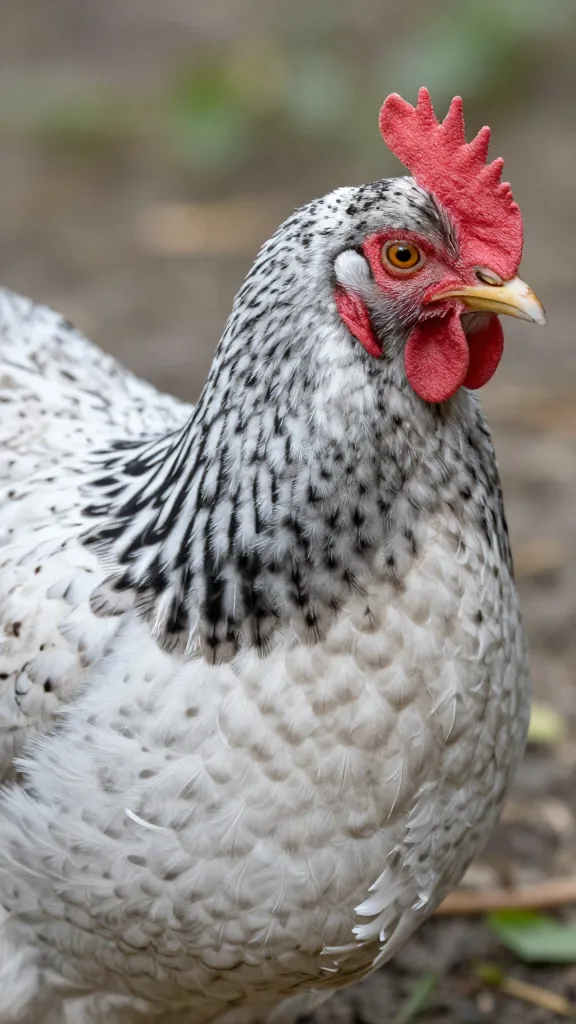
The Plymouth Rock emerged in New England in the mid-1800s from crosses including Dominiques and likely Asiatic meat birds, formalized into a standard by the late 19th century. It was designed as a dual-purpose chicken: enough frame to dress decently for the table, and enough lay to keep a family in eggs. That selection pressure created birds that converted varied feed well, tolerated cold, and kept laying through shorter days better than many contemporaries. The Barred variety was the first widely popular form; later colors followed, but the barred plumage became the emblem.
Industrial hybrids displaced heritage dual-purpose breeds for commercial output in the 20th century, which is why Rocks left the factory barns and reappeared behind houses. In a mixed backyard setting — variable weather, mixed ages, predators to watch for — the suite of “good at many things” traits is still the point.
What the Barring Really Is: Appearance and Genetics
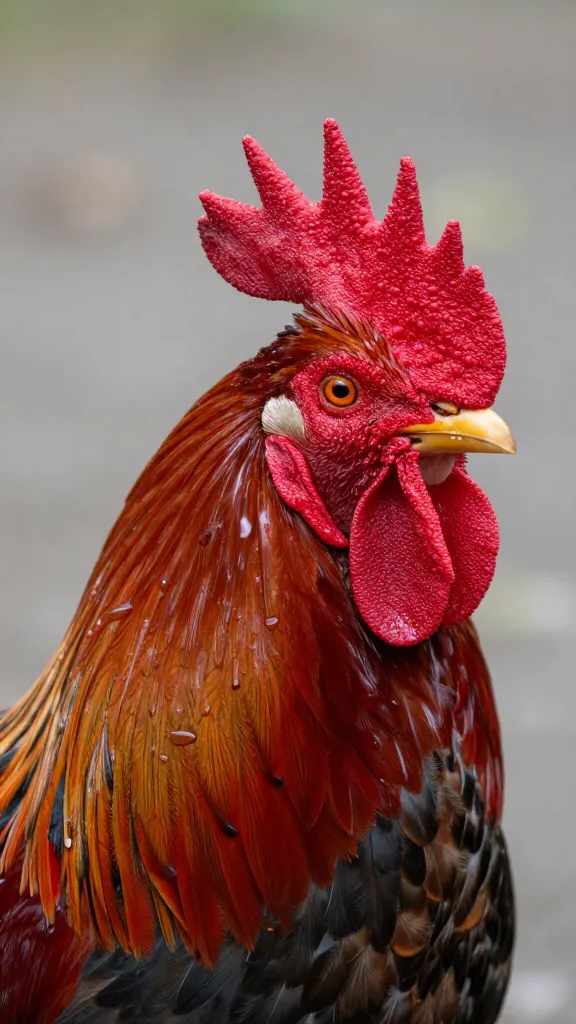
The classic pattern comes from the sex-linked barring gene (B), which interrupts pigment deposition in the feather as it grows, producing alternating pale and dark bands. Because the gene is on the Z chromosome, males (ZZ) carry two copies and females (ZW) carry one; cockerels usually look slightly lighter with wider pale bars, while pullets show narrower, darker bars. This is also why experienced breeders can make sex-linked chicks when crossing specific lines, though straight Barred Rocks are not auto-sexing by down color with perfect reliability across all hatchery stocks.
Body-wise, standard hens are broad and deep with a long back, a single comb of 5–6 points, and yellow legs. Hens commonly weigh in the mid 6–7 lb range; roosters in the 8–9 lb range, with show lines sometimes heavier and some hatchery lines lighter. Eyes are reddish-bay, beaks yellow, and skin yellow. Molt reveals the architecture: dense feathering, not fluffy softness like a Cochin, but close-fit utility plumage built to insulate and shed weather.
Temperament: Why Are They So Steady?
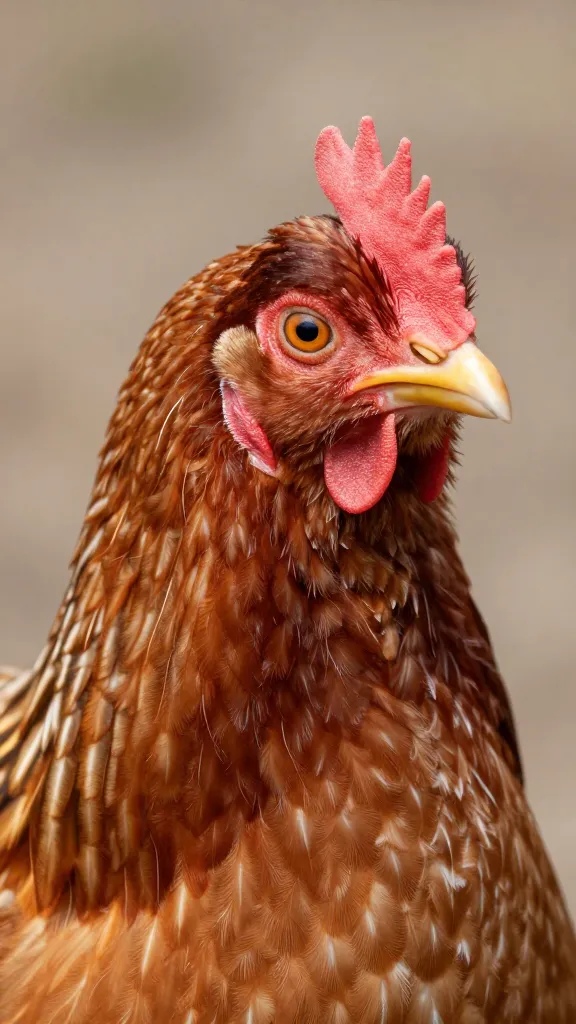
Ask around and you’ll hear the same adjectives: calm, curious, friendly without being clingy. That tone is not an accident. Selection for a farmyard bird that could be handled, moved, and bred year after year favored lower reactivity and stable social behavior. In a mixed flock, many hens land in the middle of the pecking order: assertive enough to get resources, rarely the aggressor that polices everyone. Roosters, when well-bred and handled sensibly, are often good flock guardians with moderate crowing and a watchful stance rather than hair-trigger aggression.
Behavior inside the run usually looks like methodical foraging, frequent checking of boundaries, and tolerance of children moving through the space. They are not motionless lap pets; they are working birds that accept human presence. The predictable downside of that steadiness is confidence: a Rock that has learned a bad habit (stealing garden lettuce, say) will practice it diligently.
Eggs and Laying Pattern: Consistent, Not Flashy
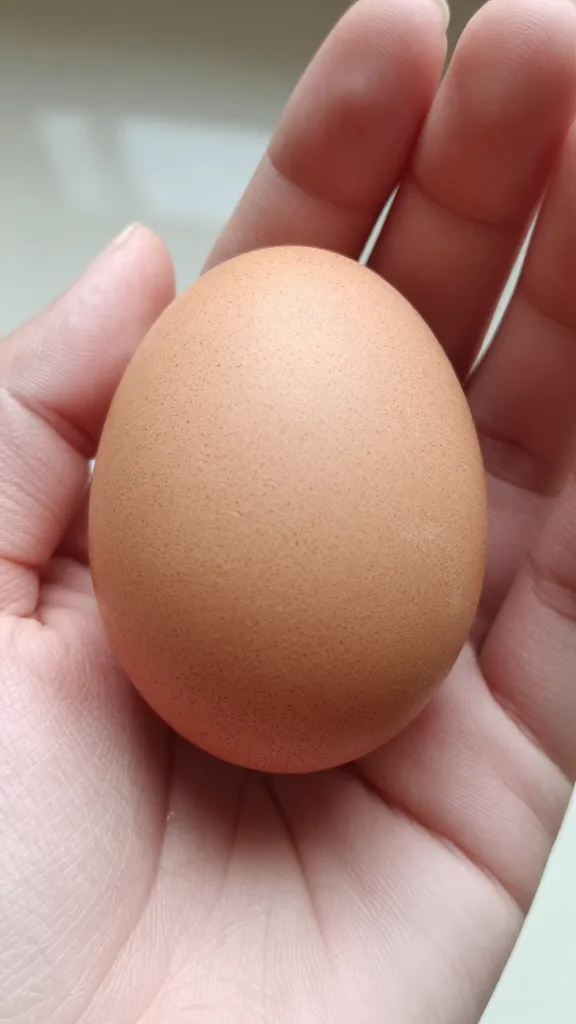
Barred Rock hens are honest layers of brown to light-brown eggs, medium to large. Expect around 4–5 eggs per week in spring and summer from a healthy first- or second-year hen, with production tapering in heat waves or deep winter without supplemental light. Unlike Mediterranean egg specialists, Rocks commonly keep a trickle of eggs going through shorter days and return strongly after molt. They begin lay around 20–24 weeks, with strain and nutrition shifting that window slightly.
Laying curves are typical dual-purpose: a solid first year, good second year, then gradual decline. Shell quality is generally robust. They are not chronic brooders, but an individual hen may set occasionally — variability that reflects their long selection history. If you need a reliable setter, choose a broody-prone breed instead; if you want steady eggs with minimal drama, this is the appeal.
Barred Rock Hardiness: Why They Tolerate Cold and Cope With Heat
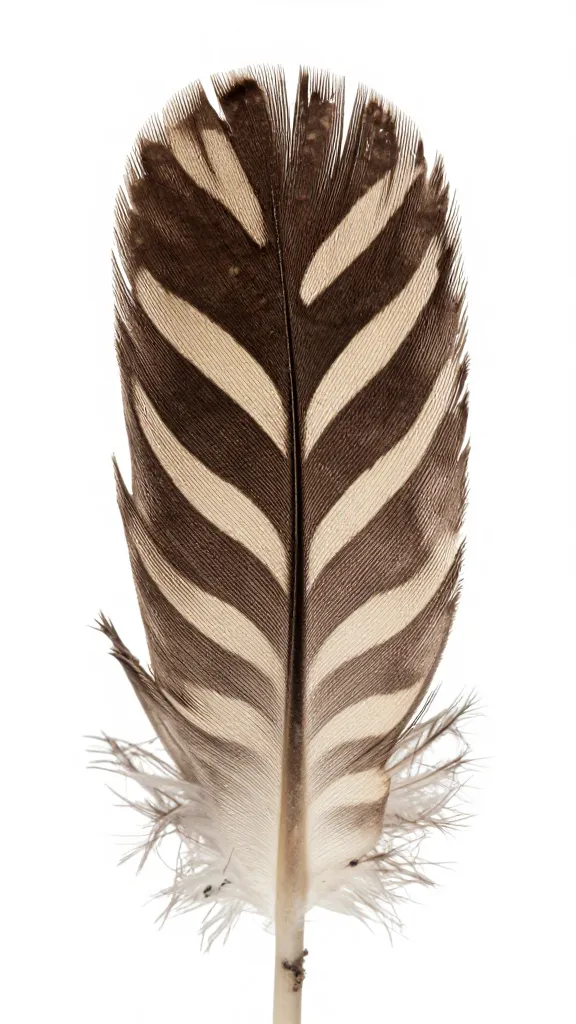
Cold tolerance is part design, part behavior. Dense feathering, a deep body, and efficient metabolism let them hold heat; their foraging drive keeps them moving on cold days rather than perching inert. The single comb is the one cold-weather vulnerability. In freezing snaps, a thin film of petroleum-free protective salve can help reduce frostbite risk on large combs, but the bigger win is a dry, draft-free coop with excellent ventilation to carry off moisture.
Heat is harder. Dark barring absorbs sun, and a heavier body sheds heat slowly. Provide constant shade, abundant cool water, and airflow. In heat waves, plan for evaporative cooling opportunities: shallow pans they can wade through, dampened earth in deep shade, and frozen bottles in waterers. Expect egg size and frequency to dip during the hottest weeks; that is normal physiology, not failure.
Foraging, Space, and Run Design
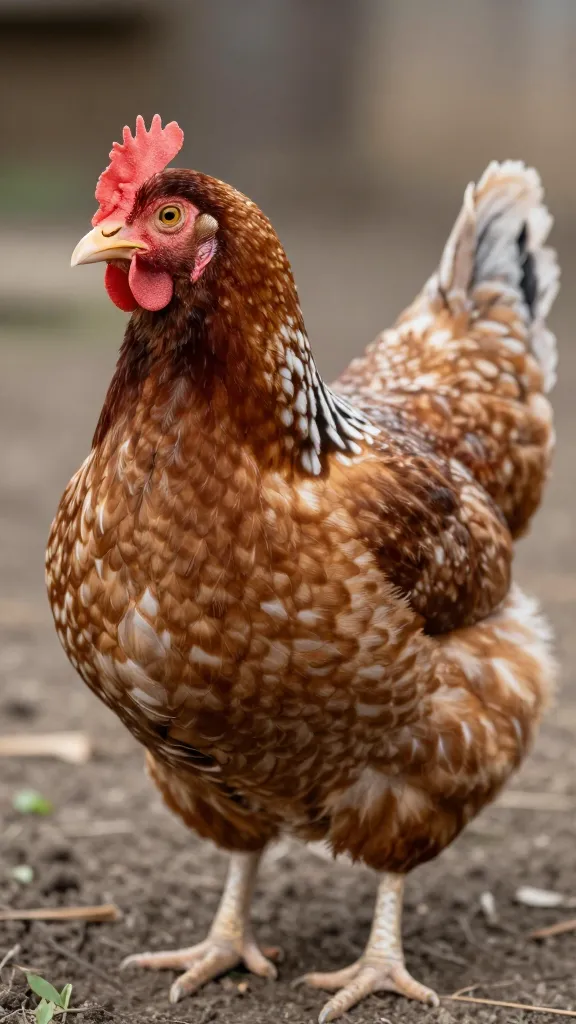
These birds make good use of space. In a small yard, they will circuit the perimeter repeatedly, sampling new growth and scratching leaf litter into tidy piles. That diligence is great for slug patrol and fallen-seed cleanup, and less great for tender seedlings. If you garden, plan zones: barrier low fencing around beds, sacrificial clover or oats patches they are allowed to demolish, and a covered run for rainy days to preserve turf. A standard 10 sq ft per bird in the run is a baseline; more space always improves behavior and feather condition.
They are competent flyers over low barriers, but not escape artists. A 4-ft fence often suffices if there is no incentive on the other side. Their curiosity means enrichment matters: deep litter to scratch, logs to hop on, and scattered whole grains to elongate foraging bouts keep a Rock’s mind and crop equally occupied.
Barred Rock (Plymouth Rock) with Kids, Dogs, and Mixed Flocks
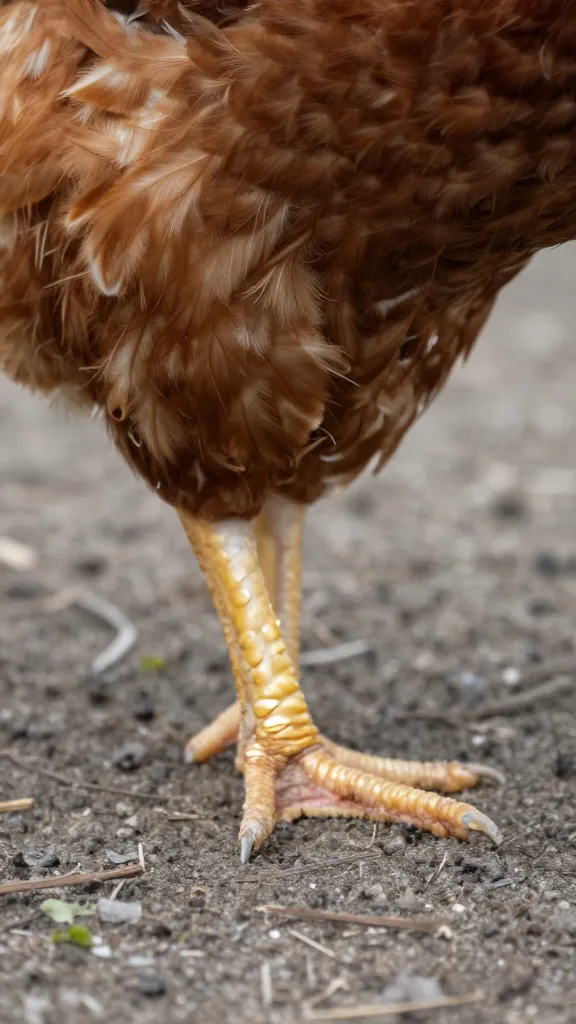
Well-socialized hens typically tolerate calm children and will accept gentle handling. Teach kids to scoop from below, support feet, and release before a bird struggles. With dogs, the variable is the dog: a Rock will not provoke, but will also not save herself from a high-prey-drive chase. Introductions go on leash, slowly, with a solid sit-stay and generous rewards for ignoring birds.
In mixed flocks, Barred Rocks blend readily with other dual-purpose and light breeds. With highly flighty, lean Mediterranean birds, they may outcompete at feeders if space and feeder access are tight. Provide multiple feed and water stations and 1 linear foot of perch space per large hen to avoid resource guarding. If you add bantams, give them separate, lower perches and a protected feeder station; a Rock isn’t a bully by design, but mass matters in accidental shoves.
Health Profile and Lifespan: What to Watch
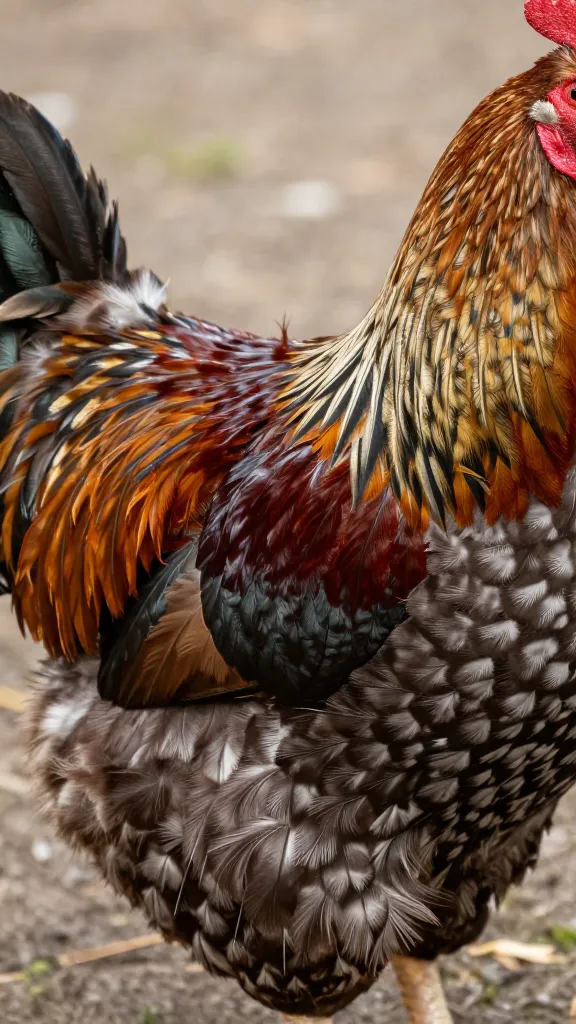
With good management, many Plymouth Rocks live 6–8 years, sometimes longer. The main health notes are those common to large-bodied layers: watch weight creep on easy rations, as obesity drives fatty liver and reproductive strain. They are not particularly prone to leg deformities, but heavy cocks can sprain hocks on slick ramps; add traction and moderate perch heights (12–18 in for hens, slightly higher for roosters with easy step-ups).
Parasites respect no breed. A Rock’s dense plumage can hide early lice or mites; do scheduled checks at the vent, under wings, and along the saddle. In wet climates, keep roosts dry and coop humidity low to protect the single comb and respiratory health. Any sign of respiratory disease, sudden drop in lay, or green diarrhea in multiple birds warrants a call to an avian vet — contagious issues move through a close flock fast.
Is a Barred Rock for You? Matching Bird to Keeper
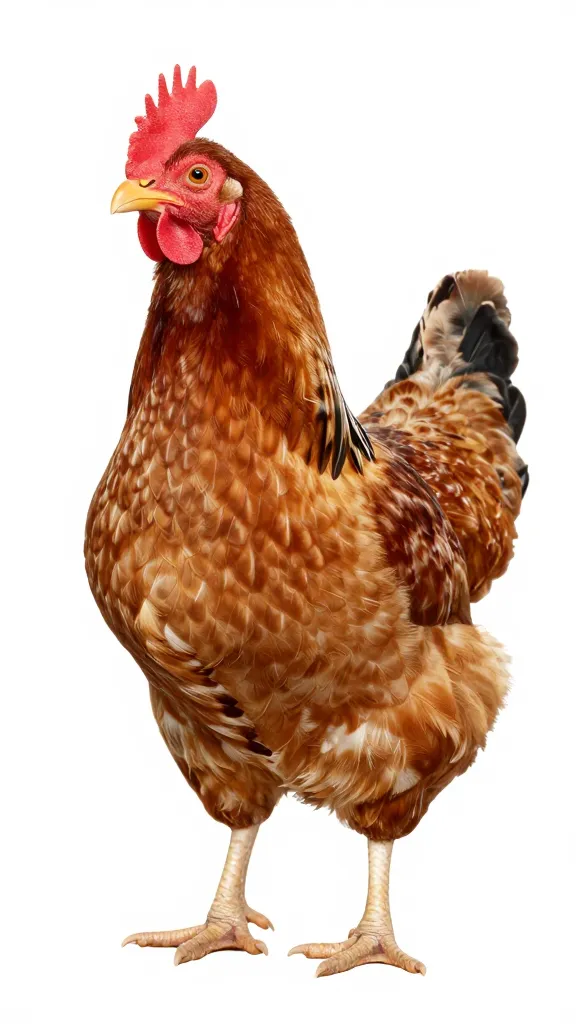
Choose this breed if you want a calm presence, sturdy winter eggs, and birds that make average days easy. They suit small suburban yards and larger homesteads alike, provided you can give shade in summer and dry, ventilated housing in winter. If your priority is maximum egg numbers in year one and two, a modern sex-link will outlay them. If your priority is fancy feathering or extreme broodiness, look elsewhere. My single opinion here: for a family’s first heritage flock, a Barred Rock belongs on the shortlist because steadiness beats spectacle when you are learning how birds think.
The Honest Drawback
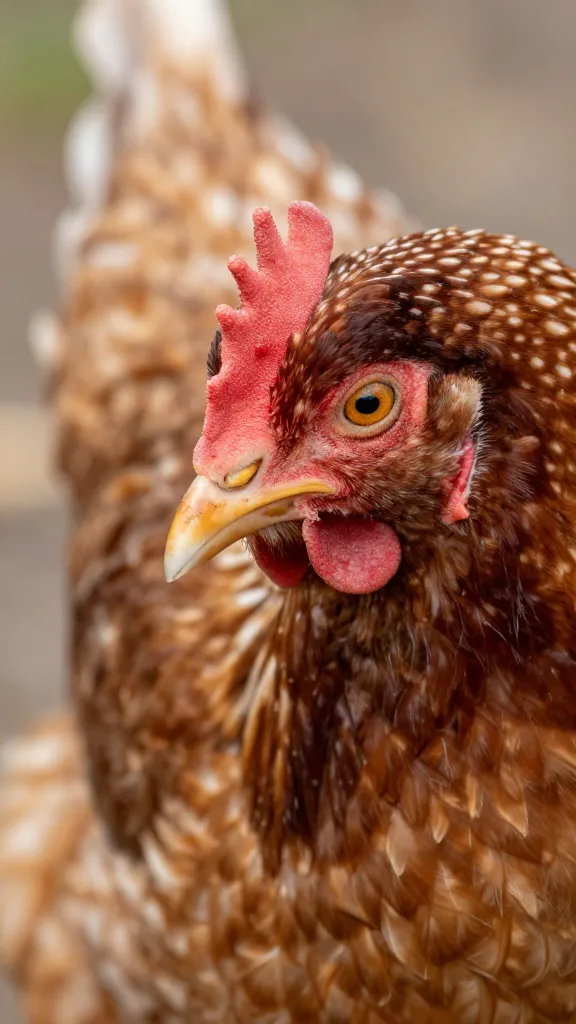
They are generalists. That means no extreme strengths — and a couple of tradeoffs. In heat, they ask more of your setup than a slim, light-colored Mediterranean hen will. In a garden, their methodical scratching is thorough enough to undo an afternoon’s planting in 10 minutes if you forget the gate. Their very confidence can read as pushiness around food if space is tight. None of these are dealbreakers, but all are real.
Frequently Asked Questions
How many eggs do Barred Rock hens lay per week?
Expect about 4–5 eggs per week in peak season from a healthy first- or second-year hen. Production dips in extreme heat and during molt, and it tapers with age after year two. Good nutrition and shade help keep the average steady.
Are Barred Rock chickens good with children?
Yes, they’re typically calm and tolerant when handled respectfully. Teach kids to support the bird’s body and to set her down before she struggles. Provide a bench-height perch so a hen can choose to sit near a child without being chased.
What age do Barred Rocks start laying?
Most start around 20–24 weeks. Hatchery strain, diet, and daylight affect timing. If a pullet is late, check body condition, parasite status, and day length before you worry.
Do Plymouth Rocks handle cold weather well?
They’re cold-hardy thanks to dense plumage and a deep body, and many keep laying modestly through short days. Protect the single comb from frostbite with dry, well-ventilated housing and avoid damp bedding. Provide a wide roost so toes can be fully covered by belly feathers.
How big do Barred Rock roosters get?
Most mature cocks are in the 8–9 lb range, with some line variation. Ensure roomy perches and non-slip ramps to protect joints. A heavier rooster also needs more daylight and protein to maintain condition during the breeding season.
Are Barred Rocks broody?
Not strongly, as a breed. You’ll meet individuals that set, but it isn’t a defining trait. If you need a dependable setter every season, pair your Rocks with a broody-prone breed to do the incubating.
What You’ll Notice Next Time You Watch One Work
That measured patrol of the run, the way a hen checks a shadow, scratches twice, tilts her head, then commits — it’s the utility brain doing what it was selected to do. You’ll also start telling hens from cockerels on the wing by those barring widths long before anyone crows, and that quiet confidence will make sense as more than “a friendly bird.”
— keep watching. They’re never boring.