8 Cold-Hardy Chicken Breeds for Northern Winters
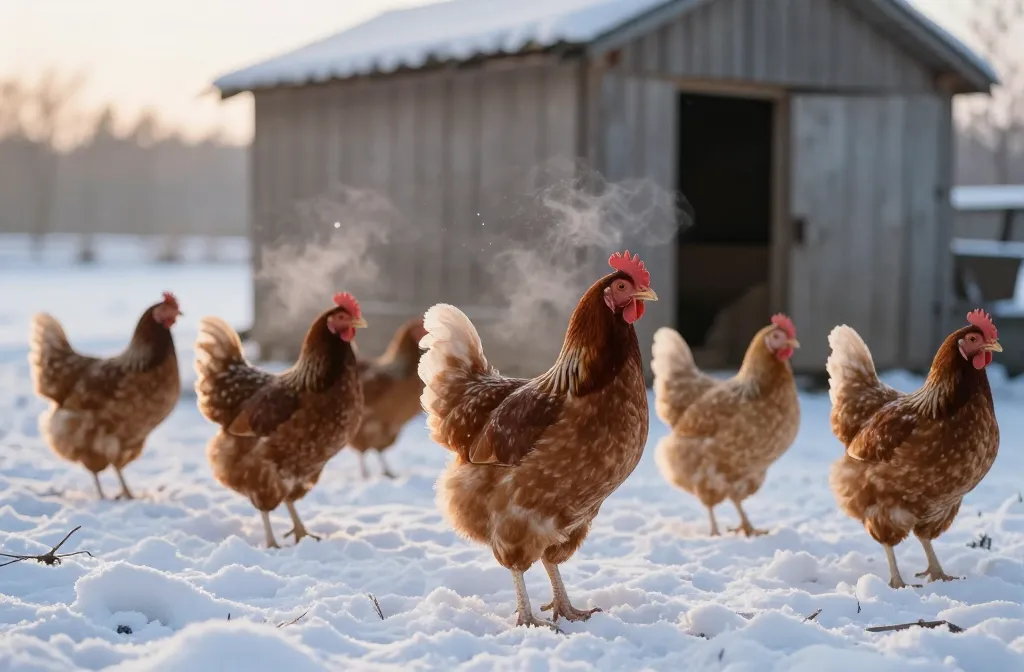
On a blue-white morning when the waterer rims with ice, cold-hardy chicken breeds are the ones still scratching, still chatting, still unfazed by the air that nips your fingers. This list walks you through which birds carry winter well and why — the comb shapes that don’t frostbite as easily, the feathering that traps heat, and the temperaments that make a difference when snow keeps a flock coop-bound. By the end, you’ll know which traits matter most, what to expect from each breed in real cold, and how to set them up to thrive.
1. Chantecler — the Cold-Hardy Breed Built for Snow With a Cushion Comb
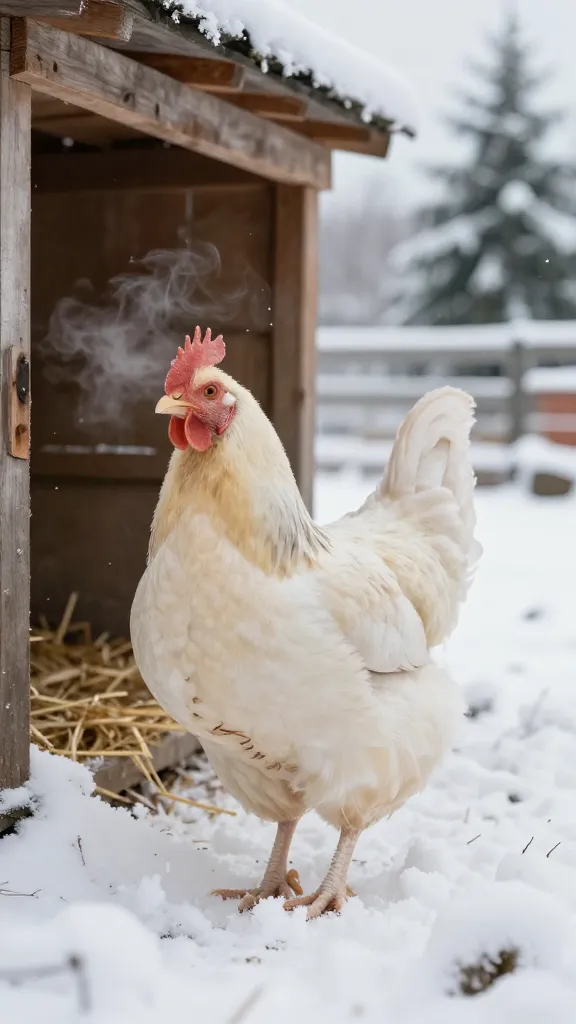
Chanteclers handle deep cold through a tight, close-fitting body and a small cushion comb that reduces exposed skin, while dense underfeathers trap insulating air close to the body. Developed in Canada for harsh winters, they’re moderate layers that keep moving in cold rather than huddling, making them reliable through February.
What makes a Chantecler feel like it was designed for a February morning? A tight, close-fitting body and a small cushion comb reduce exposed skin, while dense, fluffy underfeathers trap insulating air close to the body. Developed in Canada for harsh winters, Chanteclers are moderate layers that keep moving in the cold rather than huddling. Expect calm birds that tolerate confinement when deep snow limits range. They still need dry footing and ventilated, not sealed coops to let moisture escape — humidity, not air temperature, is the enemy of winter combs and lungs.
University extension research on frostbite prevention confirms that proper ventilation and dry bedding are more critical than heat for preventing frostbite. I learned this the hard way when I sealed every crack in the coop one January, only to find condensation dripping from the rafters by morning. Now I keep high vents open year-round and check for moisture on cold mornings — if I see condensation, I know the airflow isn’t enough.
Takeaway: Chanteclers excel in cold through cushion combs and dense feathering, but they still need dry, ventilated coops to thrive.
2. Buckeye — Can a Forager Also Handle Deep Cold?
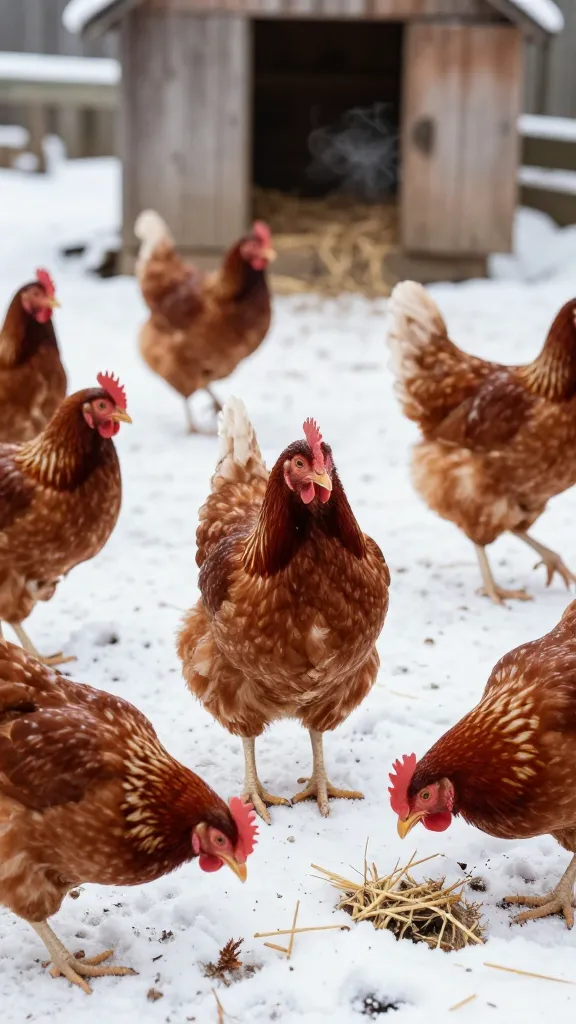
Buckeyes carry a pea comb that resists frostbite and a muscular, medium-heavy frame that holds heat well, making them one of the few American breeds developed specifically for cold climates. They’re alert but steady, often content to patrol shoveled paths and open patches rather than sulking inside, and they produce through winter if protein and daylight are adequate.
How does a breed known for active foraging do when the ground is locked up? Buckeyes carry a pea comb that resists frostbite and a muscular, medium-heavy frame that holds heat well. They’re alert but steady, often content to patrol shoveled paths and open patches rather than sulking inside. As a dual-purpose bird, they produce through winter if protein and daylight are adequate, but expect lay rates to ebb during a hard molt. Give them windbreaks and dry, scratchable litter; movement is heat, and a Buckeye uses both.
I watched a Buckeye hen one December morning, methodically working a shoveled path through two inches of snow, pausing every few feet to scratch at something hidden beneath. She wasn’t frustrated by the confinement — she was investigating. That’s the Buckeye way: alert, busy, and unfazed by what they can’t change. They don’t pace or fuss when the run is iced over; they find work to do.
Takeaway: Buckeyes handle cold through pea combs and active temperaments — give them windbreaks and scratchable litter to keep them moving.
3. Wyandotte — The Fluff Factor and That Heat-Saving Rose Comb
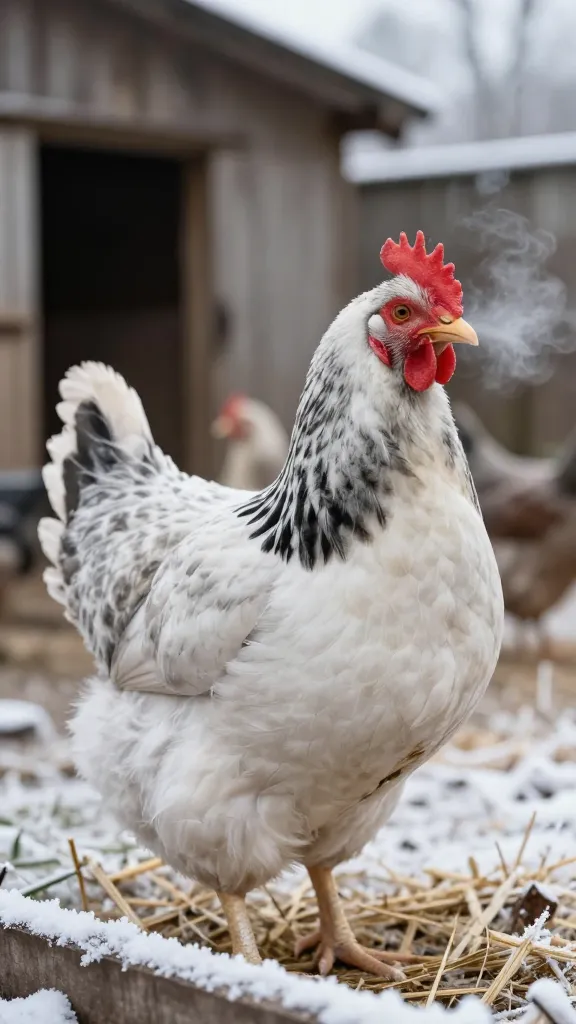
Wyandottes look bigger in January because their abundant underfluff puffs to trap warm air, and the compact rose comb keeps circulatory heat closer to the skull with less exposed surface. They’re steady layers through cool weather, though extreme cold will still slow production, and they can be assertive in mixed flocks so clear feeding stations help less dominant birds get calories.
Why do Wyandottes look bigger in January? Their abundant underfluff puffs to trap warm air, and the compact rose comb keeps circulatory heat closer to the skull with less exposed surface. That design matters when moist breath meets frigid air. Wyandottes are steady layers through cool weather, though extreme cold will still slow production. They can be assertive in mixed flocks; give clear feeding stations so less dominant birds aren’t pushed off calories they need to stoke their furnace.
One February morning, I counted six hens in the nesting boxes by 8 a.m. — unusual for winter. Three were Wyandottes, settled in like they owned the place, fluffed out so round they looked like feathers wrapped around a basketball. The other three, lighter-bodied breeds with single combs, were huddled on the roost, conserving heat. The Wyandottes weren’t just surviving — they were comfortable. That’s the difference good insulation makes.
Takeaway: Wyandottes thrive in cold through rose combs and abundant underfluff — give them space at feeding stations to maintain winter condition.
4. Australorp — Black Feathers, Winter Sun, and Quiet Output
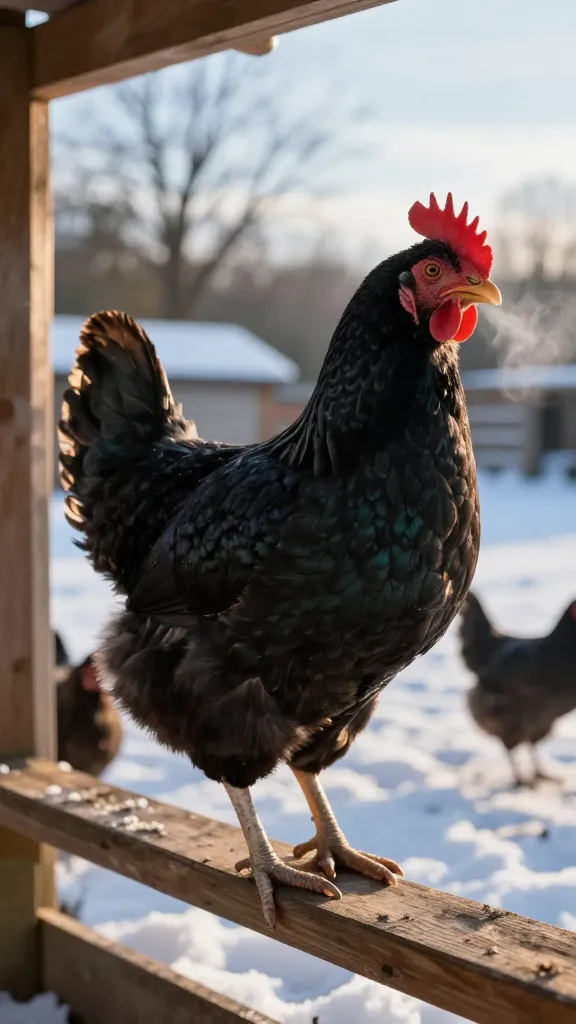
Australorps’ dark plumage absorbs solar radiation efficiently on clear winter days, adding passive warmth to a bird already wearing heavy feathering, and their broad body conserves heat well while laying reliably in cool temps if nutrition is adequate. The caveat is the single comb — more prone to frostbite than rose or pea types — so preventing wetness and keeping drafts off roosting height matters.
Does feather color change how a bird handles cold? Dark plumage like an Australorp’s absorbs solar radiation efficiently on clear winter days, adding passive warmth to a bird already wearing heavy feathering. Combined with a broad body, they conserve heat well and lay reliably in cool temps if nutrition is on point. The caveat is the single comb — more prone to frostbite than rose or pea types. Prevent wetness, keep drafts off roosting height, and use wide perches so feet can cover toes overnight; the comb stays safer when the bird stays dry and out of moving air.
On a bright January afternoon, I watched an Australorp sun herself on the south side of the coop, black feathers gleaming, head tilted to catch every ray. She looked like she was absorbing the light directly into her bones. An hour later, when the sun dipped behind the trees, she headed inside with the quiet confidence of a bird who’d banked her warmth. That’s the Australorp advantage — they work the sun like a resource.
Takeaway: Australorps handle cold through dark plumage and broad bodies, but single combs need dry, draft-free conditions to avoid frostbite.
5. Plymouth Rock (Barred Rock) — a Cold-Hardy Breed With Temperament That Survives Cabin Fever
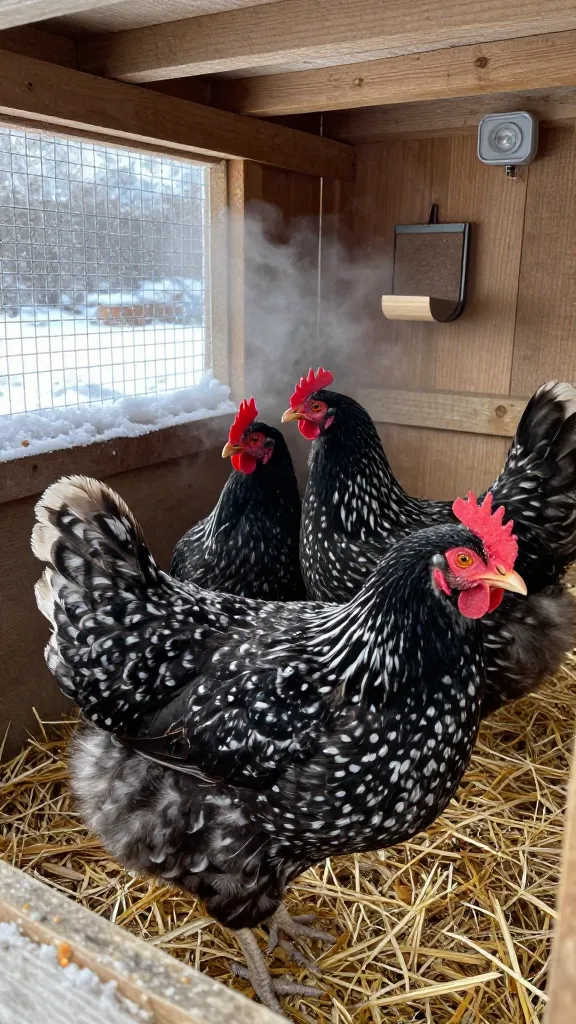
Barred Rocks are even-tempered, human-friendly, and handle confinement better than many high-strung breeds, making them ideal for weeks when snow keeps the flock inside. Their medium-large build insulates, and their lay rate holds decently in winter with proper protein and light, though they carry single combs that need moisture control and draft protection.
In a week of storm closures, which birds won’t melt down behaviorally? Barred Rocks are even-tempered, human-friendly, and handle confinement better than many high-strung breeds. Their medium-large build insulates, and their lay rate holds decently in winter with proper protein and light. They do carry single combs, so watch for pale tips that can signal frostbite risk and adjust ventilation and humidity management before you reach for gimmicks. Boredom drives pecking; add deep litter to scratch and hang whole veg for work, not as a treat fad.
During a three-day snowstorm last winter, I expected the flock to be restless. Instead, the Barred Rocks were scratched deep into the litter, working it like they were mining for something. One hen had found a forgotten pumpkin seed and was treating it like a treasure, turning it over and over. The other breeds were perched, conserving energy. The Rocks were making their own entertainment. That temperament — the ability to find purpose in small spaces — is worth its weight in gold during cabin-fever weeks.
Takeaway: Barred Rocks handle cold and confinement through steady temperaments — give them deep litter and hung vegetables to prevent boredom pecking.
6. Brahma — Feathered Legs, Giant Bodies, and the Slow-Burn Metabolism
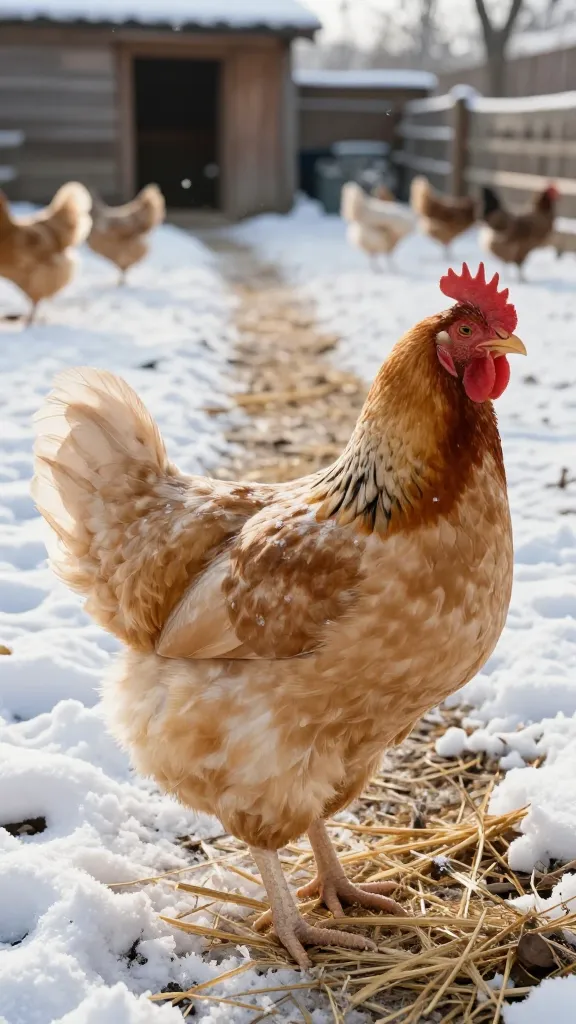
Brahmas excel in cold through sheer mass and copious feathering that conserves body heat, plus a pea comb that rides out bitter snaps, though their feathered shanks can cake with ice if runs are wet so dry paths and coarse litter matter. Their slower metabolism and calm nature mean they’ll trudge through winter without burning through weight too fast, giving you steady winter presence and gentle flockmates.
Are the big, feather-footed birds actually good in snow? Brahmas excel in cold thanks to sheer mass and copious feathering that conserves body heat, plus a pea comb that rides out bitter snaps. Their slower metabolism and calm nature mean they’ll trudge through winter without burning through weight too fast, though feathered shanks can cake with ice if runs are wet. Keep paths shoveled and use coarse, dry litter; frozen mud on leg feathers can chill the skin beneath. In return, you get steady winter presence and gentle flockmates.
I once watched a Brahma hen step carefully through a patch of slush, lifting each foot high and deliberate, like she was walking on eggshells. When she reached dry ground, she shook each leg in turn, sending tiny sprays of water flying. She wasn’t distressed — she was fastidious. Brahmas know their feathers are their insulation, and they treat them with respect. Keep their paths dry, and they’ll keep their dignity.
Takeaway: Brahmas handle cold through mass and pea combs, but feathered legs need dry paths to avoid ice buildup and chilling.
7. Rhode Island Red — Production in the Cold Without Burning Out
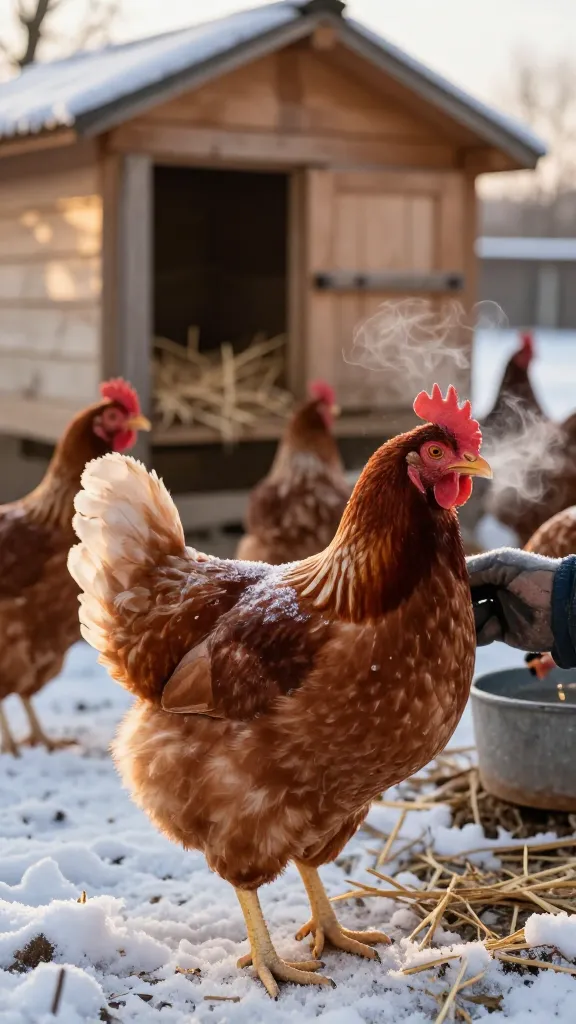
Rhode Island Reds, especially heritage lines, balance winter hardiness with sustained laying, provided they have 14-16 hours of light and a ration at 16-18% protein, though their single combs need the usual moisture control and the breed’s rugged constitution shines in Northern setups. Heavy production strains may need more feed to maintain condition, so use a scale or routine hand-checks under the keel bone to avoid the silent slide into winter weight loss.
Can a high-output bird keep laying when the mercury drops without stressing itself? Rhode Island Reds, especially heritage lines, balance winter hardiness with sustained laying, provided they have 14-16 hours of light and a ration at 16-18% protein. Their single combs need the usual moisture control, but the breed’s rugged constitution shines in Northern setups. Heavy production strains may need more feed to maintain condition; use a scale or routine hand-checks under the keel bone to avoid the silent slide into winter weight loss.
I once watched a dominant Red quietly usher pullets off the warm center of a roost bar on a subzero night — not cruelty, just order — and added a second, equal-height perch that evening to double the “warm seats.” The Reds don’t panic in cold; they organize. They know where the warm spots are, and they manage access with a clarity that’s almost respectful. Give them what they need, and they’ll keep the peace.
Takeaway: Rhode Island Reds balance production and hardiness through rugged constitutions — monitor weight and give equal roost space to maintain winter condition.
8. Orpington — The Living Duvet With a Gentle Streak
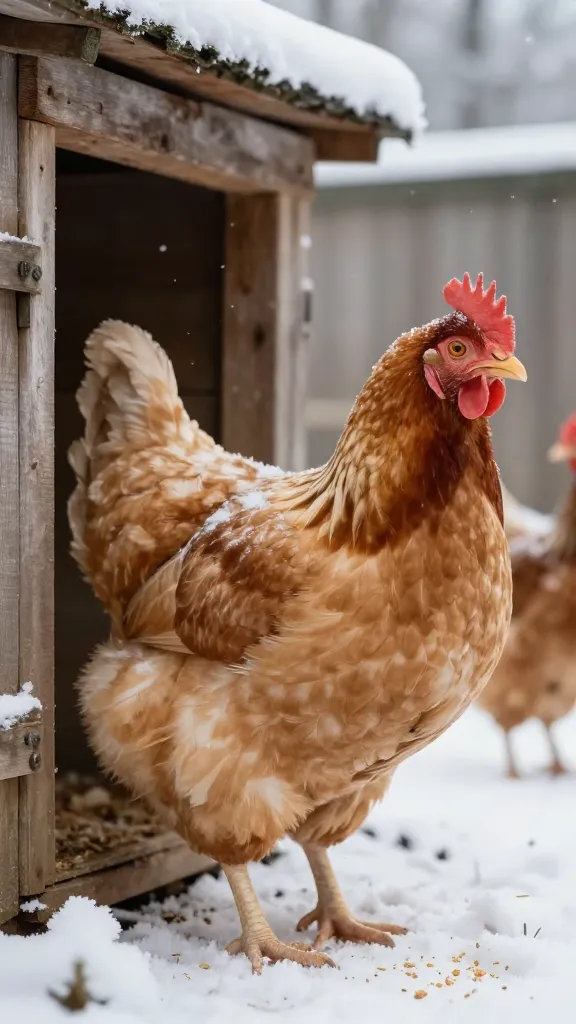
Orpingtons’ profuse underfluff acts like a down jacket, and their broad body mass reduces surface area relative to volume, slowing heat loss while their calm disposition suits long indoor stretches and limits stress-related pecking when storms stack up. They carry single combs and can be snow-shy, so give sheltered exits and sprinkled scratch just outside the pop door to entice movement, and ensure roosts are easy to reach to avoid wing injuries on cold-stiff landings.
Is “fluffy” just cute, or does it help in real cold? Orpingtons’ profuse underfluff acts like a down jacket, and their broad body mass reduces surface area relative to volume, slowing heat loss. Their calm disposition suits long indoor stretches, which limits stress-related pecking when storms stack up. They carry single combs and can be snow-shy; give sheltered exits and sprinkled scratch just outside the pop door to entice movement. They aren’t athletic jumpers, so ensure roosts are easy to reach to avoid wing injuries on cold-stiff landings.
One bitter morning, I found an Orpington settled in the nesting box at 10 a.m., not laying — just sitting. She looked up at me with the expression of a cat who’d been disturbed mid-nap. I didn’t disturb her again. Orpingtons know when they need to conserve, and they don’t apologize for it. Their fluff isn’t just for show; it’s a survival strategy wrapped in softness.
Takeaway: Orpingtons handle cold through profuse underfluff and calm temperaments — give them easy roost access and sheltered exits to encourage movement.
Cold-Hardy Chicken Breeds Compared
| Breed | Comb Type | Frostbite Risk | Winter Layer | Temperament |
|---|---|---|---|---|
| Chantecler | Cushion | Very low | Moderate | Calm, tolerates confinement |
| Buckeye | Pea | Very low | Moderate with light/protein | Active forager, alert |
| Wyandotte | Rose | Low | Steady | Assertive in mixed flocks |
| Australorp | Single | Moderate (needs dry conditions) | Reliable with nutrition | Quiet, sun-seeking |
| Plymouth Rock | Single | Moderate (needs dry conditions) | Decent with protein/light | Even-tempered, handles confinement |
| Brahma | Pea | Very low | Moderate, slower metabolism | Calm, gentle giant |
| Rhode Island Red | Single | Moderate (needs dry conditions) | High production with light | Rugged, organized |
| Orpington | Single | Moderate (needs dry conditions) | Moderate | Calm, snow-shy, gentle |
Frequently Asked Questions
What makes a chicken breed “cold-hardy” beyond just a name?
Practical traits include small or flat combs (pea, rose, cushion), dense underfeathers, a medium-to-heavy body, and behavior that tolerates confinement. Just as important is coop design: dry litter, draft-free roost height, and real ventilation to move moist air out. Cold rarely kills; wet and windy does.
Which cold-hardy chicken breeds keep laying in winter without extra light?
Some individuals from Wyandotte, Australorp, and Plymouth Rock lines will trickle eggs through winter on natural day length, but output usually drops. If you want steadier winter production, add safe supplemental light on a timer to extend dawn, not nighttime, aiming for 14-16 hours total.
How do I prevent frostbite on single-comb birds in a Northern coop?
Control humidity first: generous high-level ventilation, dry bedding, and no open waterers near roosts. Use wide roosts (at least 3.5-4 in) so toes tuck under feathers, and block direct drafts at roost height. University of Minnesota Extension confirms that ointments are less effective than keeping the air dry and still where birds sleep.
Are feathered legs a problem in winter?
They’re fine if the run stays dry. In slush or thaw-refreeze cycles, shank feathers can ice up and chill the skin beneath. Provide drainage, cover part of the run, and lay coarse material (wood chips, straw over pallets) so birds have dry travel lanes.
Do larger birds always handle cold better than small ones?
Size helps, but comb type, feathering, and behavior matter just as much. A small pea-combed bird can outlast a larger single-combed bird in damp cold because exposed skin loses heat and risks injury. Pick for the whole package, not a single trait.
Are cold-hardy chicken breeds also heat-hardy?
Often, no. Dense feathering and heavy bodies that shine in winter can struggle in heat. Provide deep shade, abundant cool water, and airflow in summer; some keepers add frozen water bottles in front of fans to drop coop temps during heat waves.
Conclusion
Now that you know how comb shape, feather density, body type, and temperament work together, you’ll spot real winter readiness at a glance. Watch how your birds use space on bitter nights and bright, icy days — who seeks sun patches, who guards the high roost, who still works the scratch lane — and adjust the setup so their biology can do the rest. Choose traits, not just a nameplate, and your flock will carry winter with the same quiet confidence as the birds on this list.
If you want to extend this winter preparation to other parts of your flock management, my guides on predator-proof coop checklists, coop security at night, and hardware cloth vs chicken wire show how to keep your birds safe and secure through the coldest months. — keep watching. They’re never boring.