9 Rare Chicken Breeds Worth Seeking Out
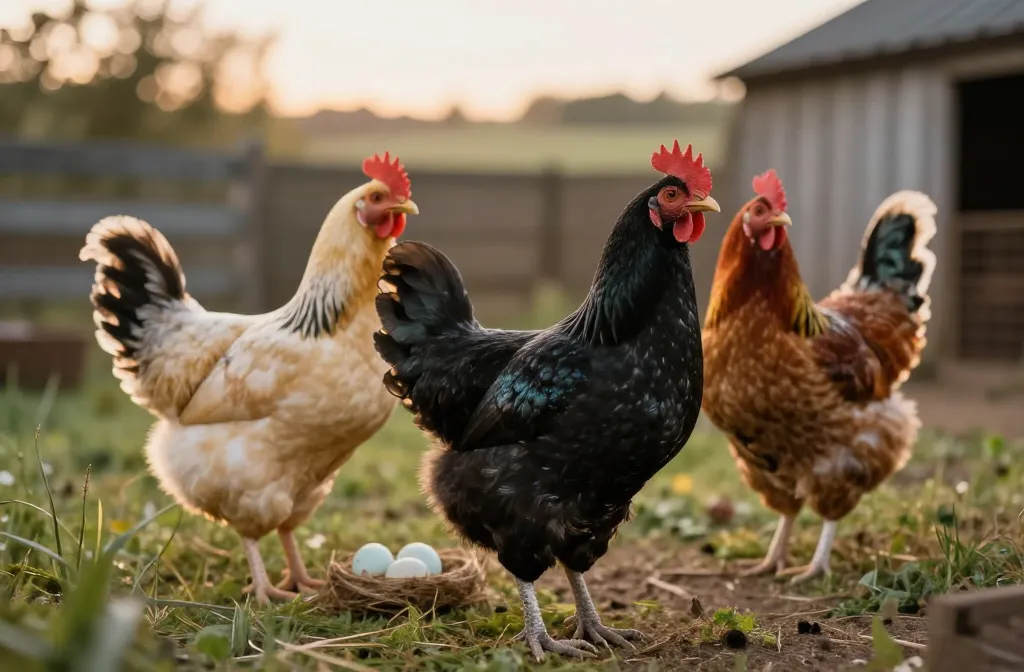
Rare chicken breeds turn heads first for color or feather, but what keeps them in your yard is temperament, cold sense, and the way they fit the flock’s politics. This list walks you through nine breeds worth the search so you can match looks to behavior and understand the genetics and care underneath. You’ll see where blue eggs really come from, why a few breeds seem “wired” differently, and how to protect a fragile crest without coddling it. By the end, you’ll know which birds are truly hardy and which are museum pieces that still lay breakfast.
1. Ayam Cemani: All Black, Even on the Inside — But How?
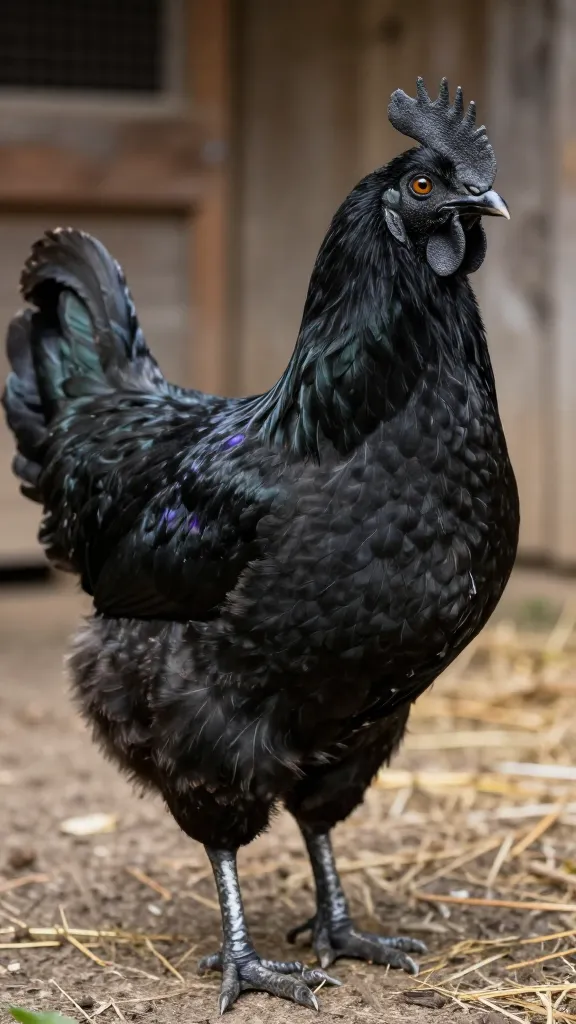
Is the Ayam Cemani really black all the way through, and what causes it? Their inky look comes from fibromelanosis, a mutation that ramps up pigment cell migration and deposition throughout the body. Skin, beak, comb, shanks, muscles, and connective tissues can be dark; bones are often heavily pigmented but not always jet. The striking color doesn’t equal magic fertility or immunity — they’re standard chickens with a recessive visual twist. Expect moderate laying (80–120 cream-tinted eggs per year) and a fairly alert, athletic bird. Handle like any light-bodied fowl: windproof roosts, room to sprint, and no myths about “healing” meat needed.
2. Cream Legbar: Blue Eggs Without the Guesswork
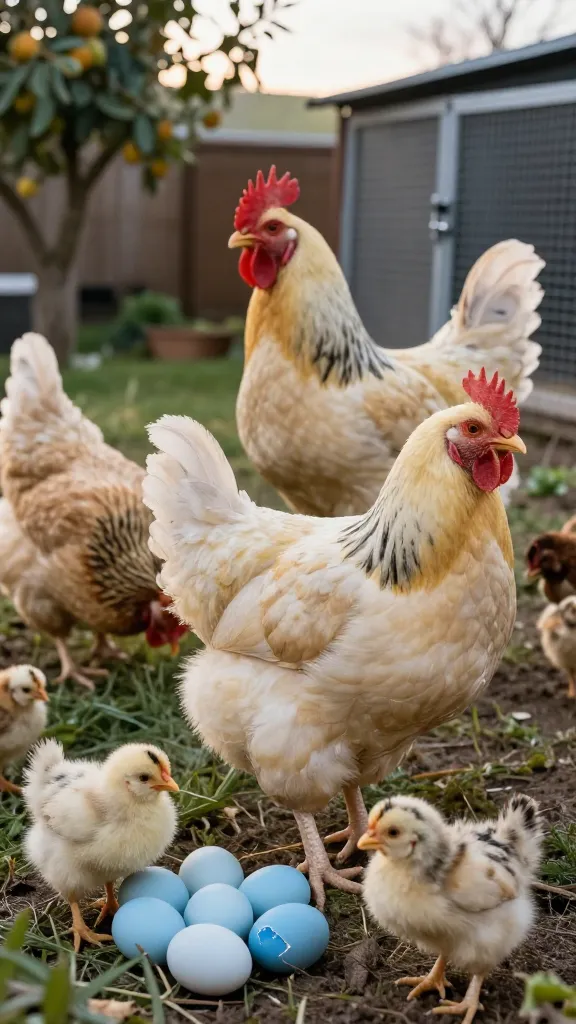
Where do the blue eggs come from, and will the chicks sex themselves? The Legbar’s blue eggs trace to the oocyan gene from Chilean stock; it deposits biliverdin throughout the shell, so the inside is blue too, not just a painted surface. Legbars also carry sex-linked barring, so day-old chicks are autosexing: males show a spotty head, females a darker chipmunk stripe. This is a working homestead breed in a fancy jacket — 180–220 blue eggs per year, good foragers, medium frames. Provide secure netting if you value landscaping; their curiosity reads as escape artistry in a small yard.
3. La Flèche: The Horned Comb That Handles Heat
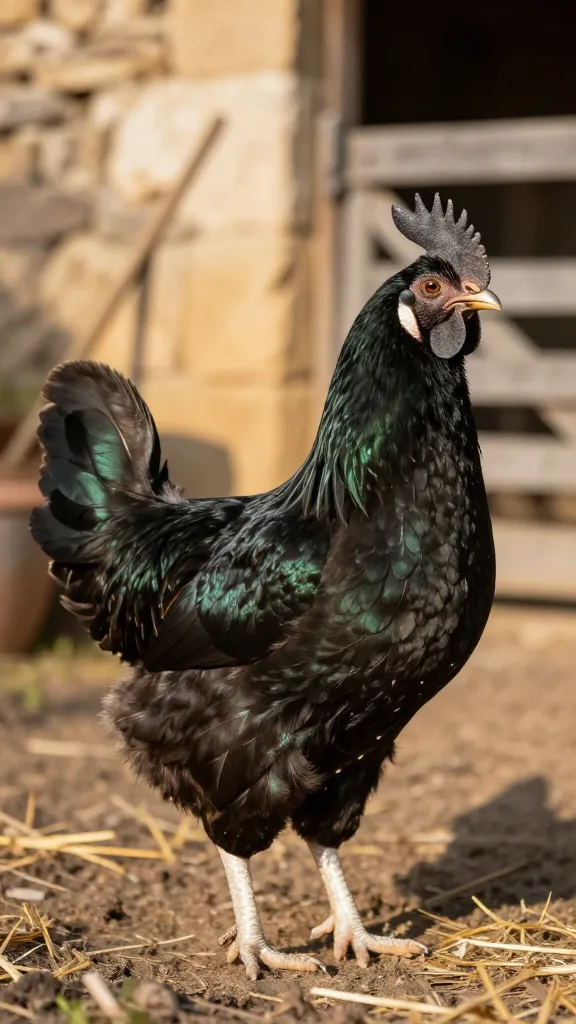
What’s with the devil-horn comb — and does it do anything? The V-shaped “devil’s comb” is more than theater; like single combs, it’s vascular radiator tissue that dumps heat into moving air. La Flèche were built in France for table quality and warm-weather performance: long, narrow bodies, quick stride, and a watchful temperament. They can be flighty until they learn your patterns, then settle into aloof calm. Expect 150–180 white eggs per year. In cold snaps, the twin points are frost-nip targets; dry, draft-free housing and roosts that keep points from brushing canvas or wire matter more than gimmicky balms.
4. Breda: a Feathered-Foot Breed With No Spurs — Does That Change Pecking Order?
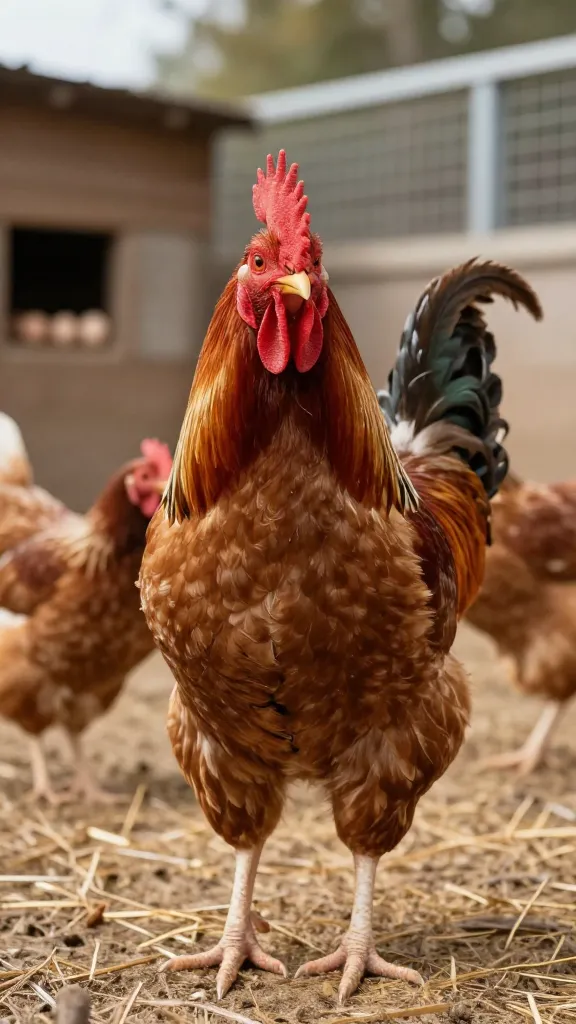
How does a rooster without visible spurs negotiate status? Many Bredas lack developed spurs, but dominance in chickens rides on multiple signals: body size, stance, eye contact, first strikes, and memory of past wins. Roosters with blunt or absent spurs still spar using chest bumps, wing flares, and beak jabs. Keepers sometimes assume a “gentle” rooster will stay gentle; what actually moderates conflict is space and clear escape paths. Breda hens lay ~140–170 light eggs, carry a cavernous nostril and vulture hock look, and need dry litter for feathered shanks so foot feathers don’t cake and chill. The rooster stays a rooster; the toolkit is just arranged differently.
5. Bresse (American White): Flavor Legend, Backyard Reality

Is the famed French meat bird actually different in your yard? The Bresse type’s culinary reputation is part genetics, part rearing: active foraging on rich pasture, then a controlled finishing period on dairy and grain to lay fat within the muscle. In North America, only flocks raised under those conditions hit the texture people describe. As backyard birds, they’re brisk walkers, decent layers (160–200 tinted eggs), and assertive at the feeder. If you raise them for the table, space and pasture rotation are the “secret.” If you keep them as layers, treat them like vigorous dual-purpose birds that appreciate 10–12 in. of roost width per 2 birds, not crowded bars.
6. Appenzeller Spitzhauben: A Crest That Sees Predators Coming

Do crested breeds always have poor vision? Not this one. The Spitzhauben’s swept-forward crest sits high and narrow, leaving the lateral field open so they keep that classic scanning head-bob. That translates into agile rock-hopping, strong roost instincts, and better hawk awareness than poufy crests that drape the eyes. They lay 160–200 white eggs, prefer vertical options (think ladder roosts), and won’t love confinement in a 4-ft run. Trim is rarely needed if the crest stays tight; what they do need is dry cover in rain so the crest doesn’t collapse and chill their scalp skin in wind.
7. Svart Hona: the Other All-Black Breed, Tempered and Hardy
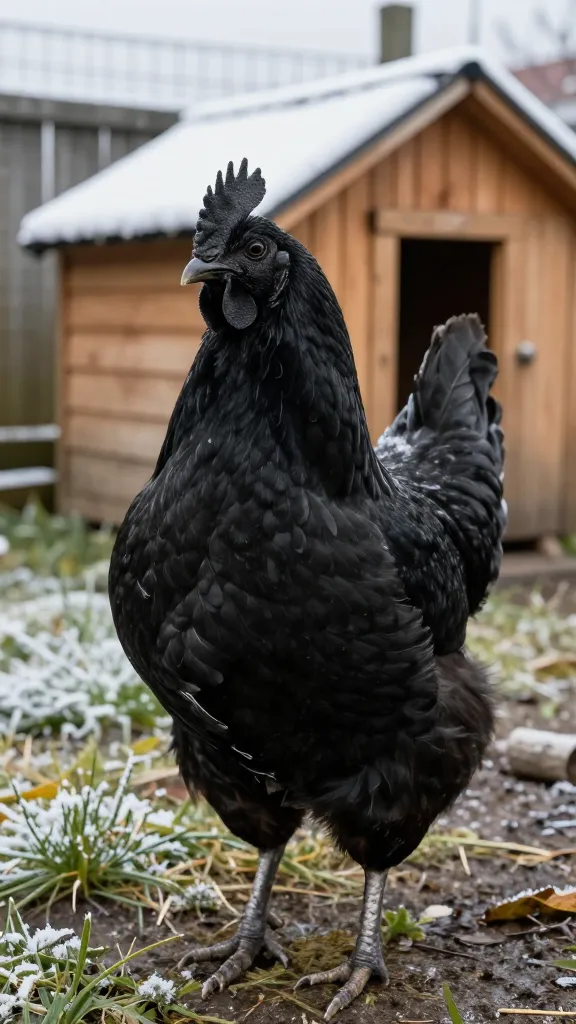
Is the Svart Hona the same as Ayam Cemani? They share fibromelanosis but differ in build and demeanor. Svart Hona from Sweden tends to run slightly more cold-hardy, with a calm, observant presence and steady lay (120–180 small to medium tinted eggs). They are not silent monks; they’re simply less reactive to routine disturbances. For keepers in mixed climates, that composure reduces fence-flight during storms. Treat leg color variation as normal within lines; fibromelanosis expresses along a spectrum. Genetic novelty is only worth chasing if the bird’s daily comfort works in your yard, and this is the quiet proof.
8. Salmon Faverolles: The Polite Introvert That Can Still Get Bullied
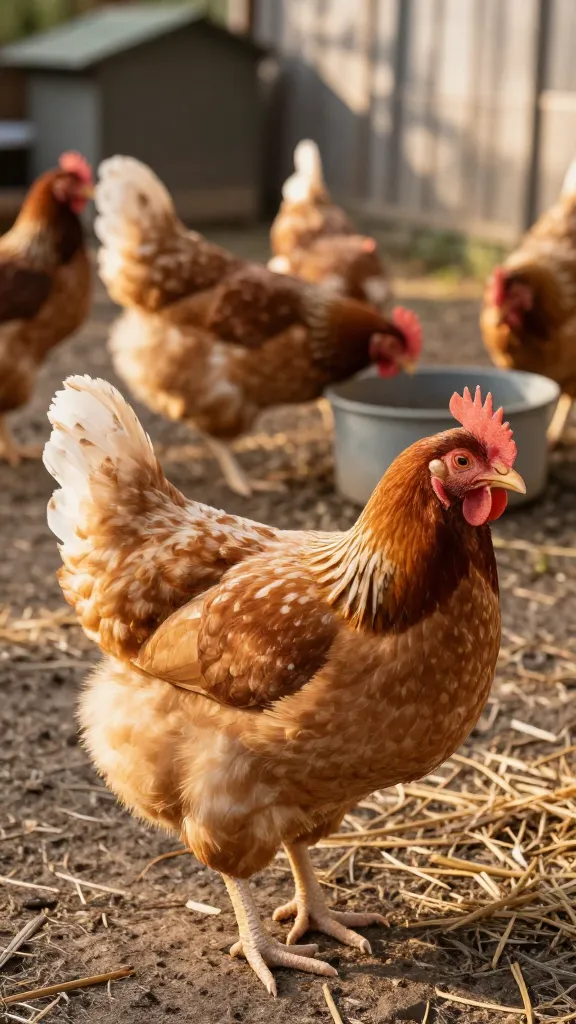
How can a breed be sweet and still stir drama? Faverolles are genuinely gentle, with muffed faces, 5 toes, and feathered legs — but that softness can read as weakness in a mixed, assertive flock. Their lower-assertion style means they yield access, then queue again, which drags energy and body condition if space or feeders are scarce. The fix isn’t to isolate them; it’s to offer multiple feed and water stations and at least 4–5 sq ft per bird in the coop, 10+ in the run, so nobody can gatekeep a corner. Expect 160–200 light brown eggs, and trim the beard lightly only if feed cements in wet seasons.
9. Yokohama: Tail Feathers That Ask for Architecture
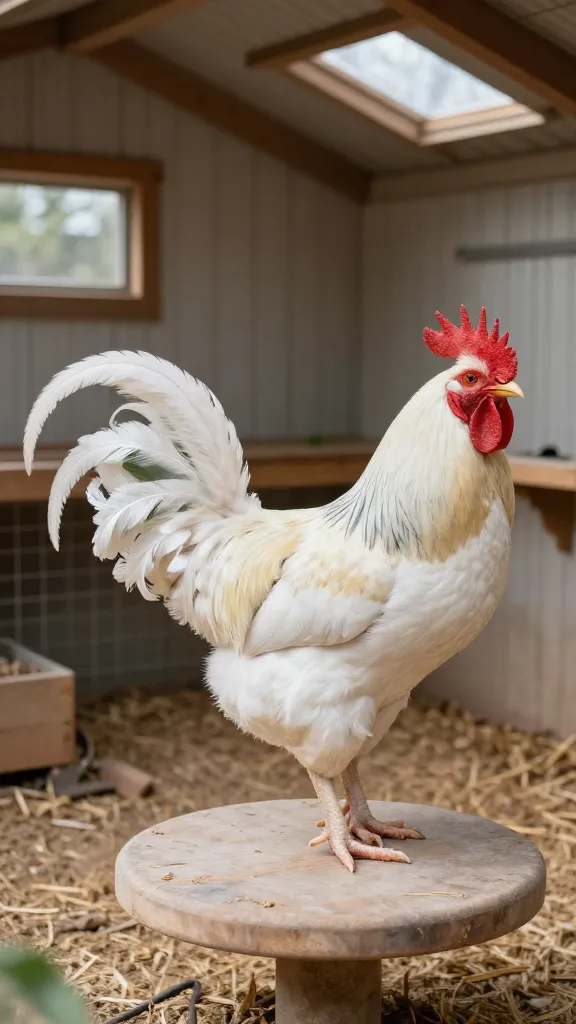
Do those long saddles and streamers just happen, or do you build around them? Feather length is genetic, but condition is housing. Yokohama roosters grow pendant tails that shred in tight turns; to keep them intact, plan high, smooth perches, 18–24 in. clear landing zones, and wire-free corners near roosts. They’re light-bodied, elegant, and not heavy layers (80–140 eggs), so think ornamental plus small-plot bug patrol. In cold, long feathers wick meltwater; dry, ventilated coops prevent frost-kiss on damp plumes. They don’t require coddling — they require room to be the bird they are.
Frequently Asked Questions
Are rare chicken breeds harder to care for than standard ones?
Some are as tough as nails; others need small tweaks. The real variable is trait-specific: heavy crests need dry housing, feathered shanks need clean litter, and very light-bodied birds need draft-free roosts. Start by matching the breed’s movement style and feathering to your climate and space.
Which rare chicken breeds lay blue eggs?
Cream Legbars are the classic autosexing blue-egg layers. Some other lines (like Araucana or certain Ameraucana in standard colors) also lay blue, but Legbars bring consistent shell color plus the chick sexing advantage at hatch. Blue is shell-deep due to biliverdin, so the interior stays blue too.
Can I mix these birds with my existing flock?
Yes, but manage introductions over 2–4 weeks with visual contact first. Provide at least 2–3 feeding and watering points so lower-status birds still eat. For crested or very docile breeds, add clutter (branch piles, pallets) to create line-of-sight breaks that short-circuit chasing.
Which of these rare birds handle cold best?
Svart Hona and Salmon Faverolles tend to handle winter well if ventilation is dry and drafts are controlled. Watch comb style: small or V combs mean less frost risk, while tall single combs need extra dryness and roost placement to avoid nips. Feathered legs demand drier footing in freeze-thaw cycles.
How do I find reputable sources for these birds?
Look for breeders who publish parent stock traits, hatch rates, and cull for health and type rather than only color. Ask for photos of housing and adult condition, not just chicks. Local clubs and show circuits can help you verify that a line breeds true and isn’t just a rebranded hybrid.
Look Closer Than the Feathers
Once you’ve met these birds as systems — heat-dumping combs, shell pigments, social strategies — you start to see past the costume to the engine underneath. You’ll notice who scans the sky, who yields the feeder, and which feathers tell you the roost is too tight by the way the tips fray.
— keep watching. They’re never boring.