9 Best Backyard Chicken Breeds for a First Flock
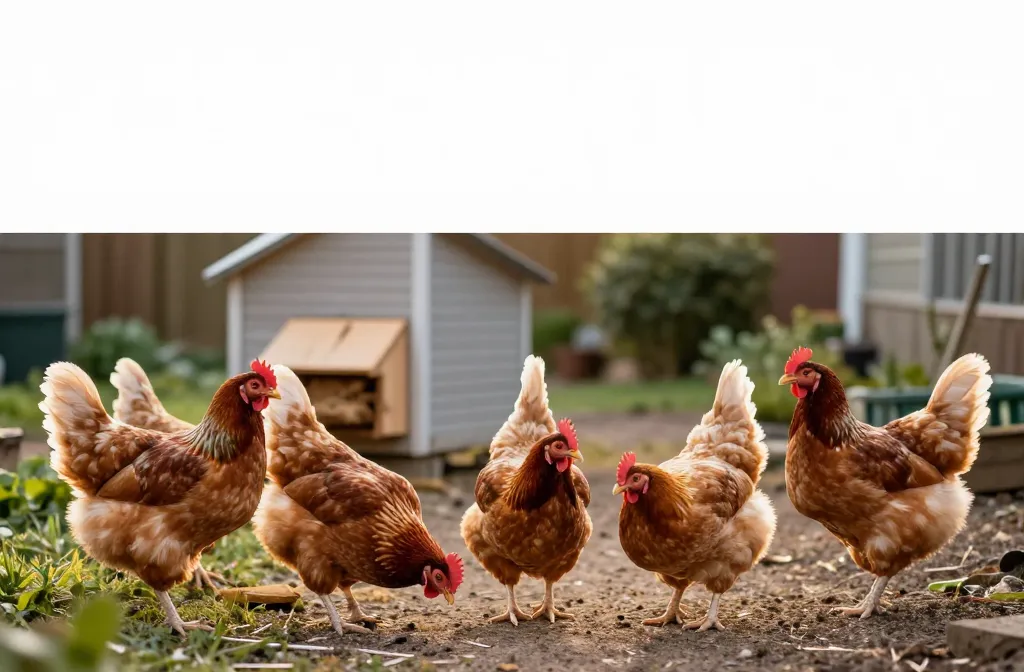
Backyard chicken breeds look similar from a distance — a scatter of colors and combs pecking the same patch of ground — but the differences shape your whole first year. This guide to the best backyard chicken breeds for a first flock will show you what each one is built to do, why it behaves the way it does, and how that translates to calm mornings and steady eggs. Picture a pullet crouching for a head rub, another patrolling for beetles, and a third headed to the nest box on schedule; those are not personality quirks alone, they’re genetics and physiology doing their work. By the end, you’ll know which birds fit a small yard, a mixed-age coop, and a realistic routine — and what to expect when the pecking order renegotiates itself over a rainy afternoon.
1. Australorp — How Does a Calm Bird Lay So Many Eggs?
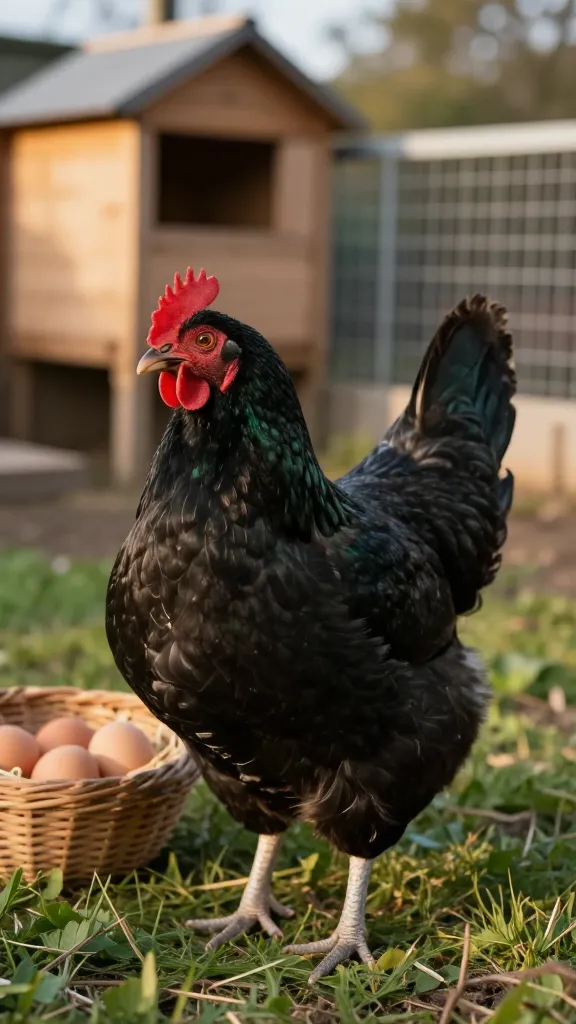
Can a truly mellow hen also be a production star, or do you have to trade quiet for output? Australorps are proof you don’t: they were refined from Orpington stock in Australia for efficient laying and kept their steady temperament. Their slate legs and beetle-green sheen hide a high-gear reproductive axis tuned for consistent ovulation across long seasons, often yielding 4-5 large brown eggs weekly once mature. Because they’re large-framed with a well-insulating feather set, they keep condition through winter better than lighter birds, which helps them maintain lay when daylight dips, provided you support them with balanced feed and clean water. If your yard is small or your neighbors close, their even, low-drama nature pays for itself — they settle disputes with posture more than noise.
2. Plymouth Rock (Barred) — Why Does This Generalist Breed Fit Almost Any Setup?
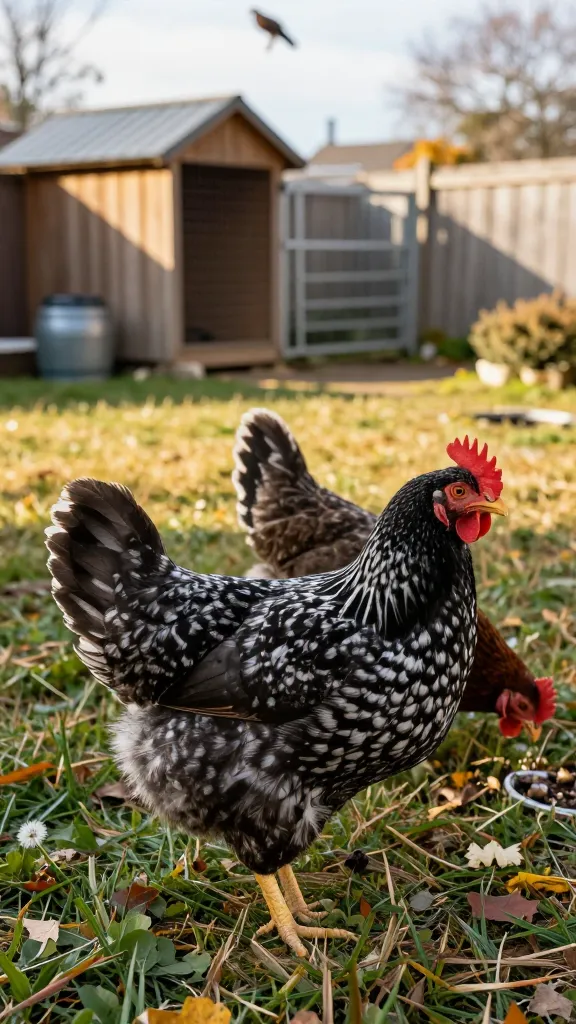
What makes a breed feel easy even when your run is modest and your seasons are mixed? Barred Rocks were built as true dual-purpose farm birds: medium-large bodies that forage competently, steady brown-egg layers, and social without being clingy. Their barred pattern isn’t just handsome; it offers mild visual camouflage, which can lower hawk targeting when you supervise free-ranging. Behaviorally, they read human presence as neutral-to-positive quickly, so they transition well from brooder to coop and tolerate a mixed-age flock. Expect 3-5 eggs weekly in their prime and a bird that handles both heat and cold with standard care — shade and ventilation in summer, dry bedding and draft-free housing in winter.
3. Orpington (Buff) — Are They Really as Gentle as People Say?
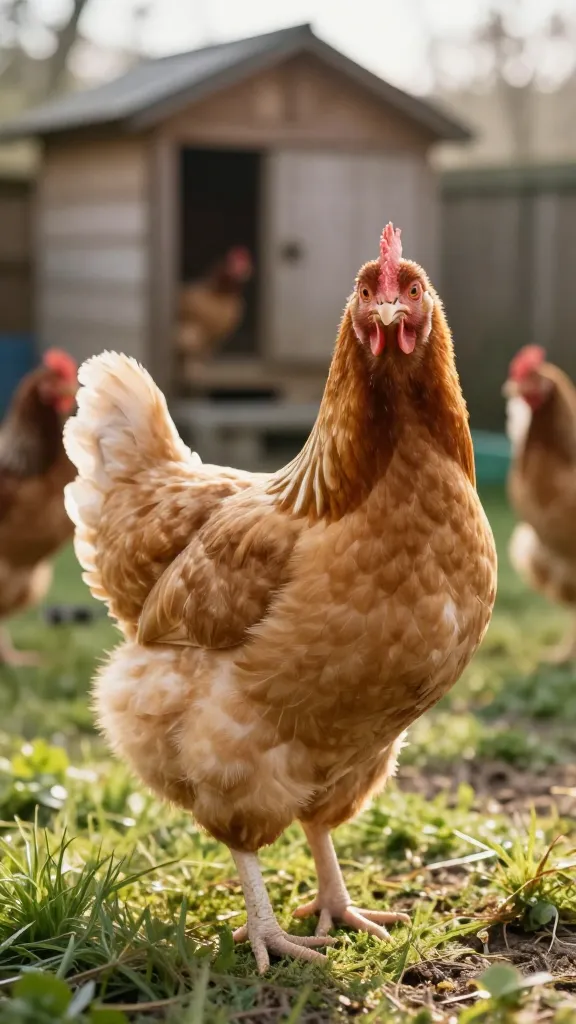
Is “family-friendly” a real trait or marketing gloss? Buff Orpingtons skew genuinely gentle because decades of selection emphasized low reactivity alongside a broad, loosely-feathered body that reads to other chickens as non-threatening. Their soft contouring also retains warmth, contributing to energy efficiency in cooler climates, though it can be a liability in sustained heat. They lay 3-4 medium-to-large brown eggs weekly at peak and will go broody more than most production lines — useful if you want to hatch, inconvenient if you don’t. Manage summer with shade, plentiful cool water, and morning feeding; manage broodiness by breaking promptly if you’re not hatching, since prolonged sitting can cost body condition.
4. Easter Egger — How Do They Make Blue and Green Eggs Without a Fancy Pedigree?
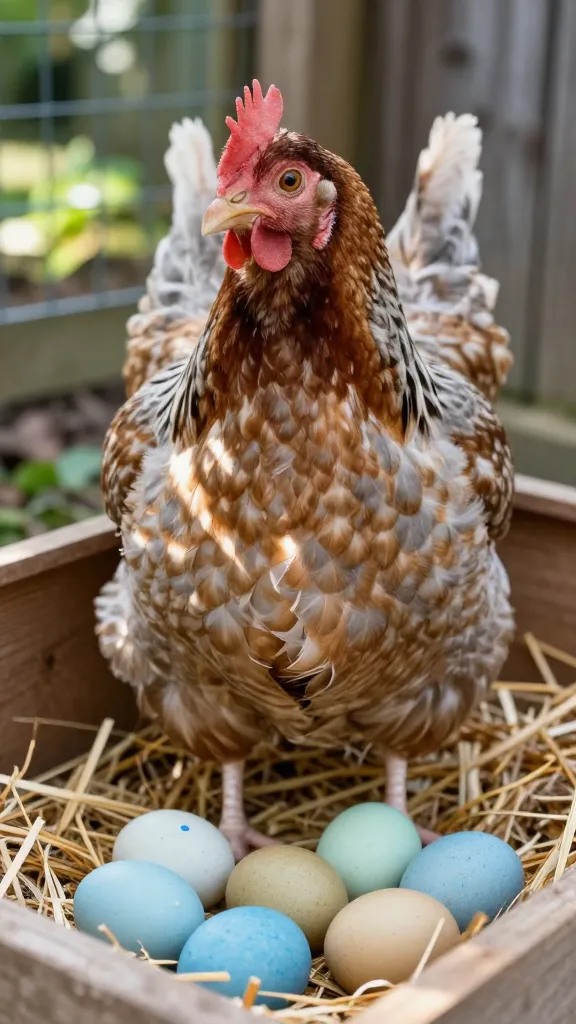
Why does a mixed-heritage hen lay sea-glass eggs? Easter Eggers inherit the blue-shell gene (oocyan) from Araucana/Ameraucana ancestry; when it’s paired with brown-pigment pathways, the result is olive and green. The blue pigment permeates the shell matrix, while brown is layered late in the shell gland, which is why an egg’s inside is still blue even if the outside is olive. Because the type isn’t a fixed standard, these birds vary in size and plumage but commonly deliver 3-5 medium eggs a week. Their curiosity is a management gift: they engage with enrichment and forage lines well, which can reduce boredom pecking in a small run.
5. Sussex (Speckled or Light) — Why Do They Feel Confident but Not Pushy?

How can a hen be assertive at the feeder without destabilizing the flock? Sussex tend to land mid-top in the pecking order due to a balanced temperament: they stand ground but respond to social cues rather than escalating. That means fewer drawn-out conflicts after introductions and predictable access to resources, which helps maintain lay at 3-5 eggs weekly in season. They’re alert foragers with good predator awareness, often giving an early-warning posture freeze that cues other birds. In small yards, offer visual breaks — pallets or shrubs — so their confident line-of-sight doesn’t read as pressure to shyer hens.
6. Wyandotte — Can a Rose Comb Really Change Winter Keeping?

Does a different comb shape matter beyond looks? A rose comb has a lower profile and fewer exposed points than a single comb, reducing surface area that can freeze when temperatures and humidity drop. Wyandottes pair that comb with dense, close-fitting feathers and a rounded frame, which together help them hold heat in cold climates, so you worry less about frostbite with ordinary precautions. They are steady brown-egg layers at roughly 3-4 per week and can be reserved toward new flockmates, so give extra space during integrations. In summer, their insulation becomes a liability — prioritize shade, airflow, and cool, clean water refreshed 2-3 times daily during heat waves.
7. Rhode Island Red (Heritage or Production Breed) — Power Layer or Pecking-Order Bully?
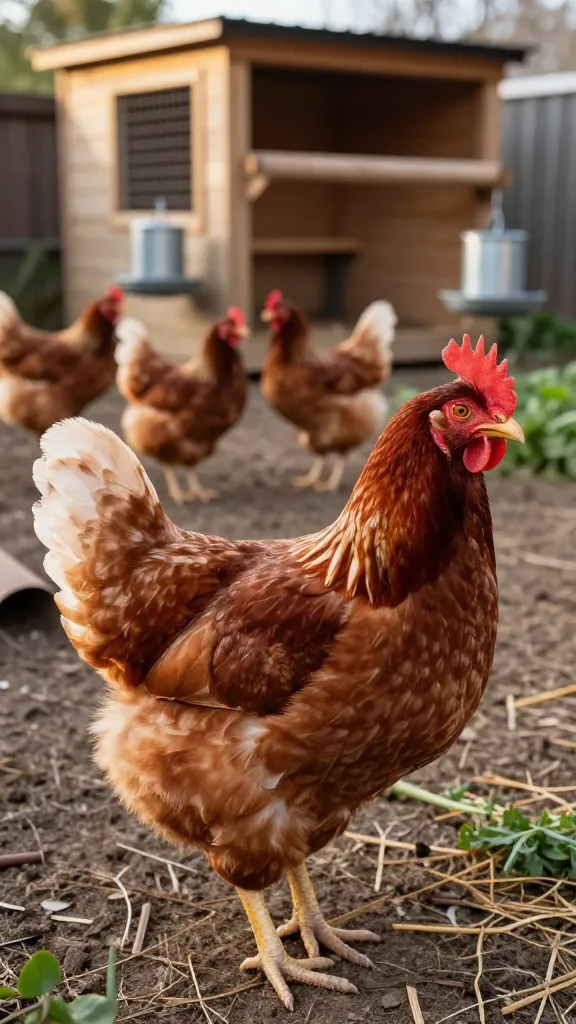
Can you get strong production without turning your run into a dominance seminar? Rhode Island Reds were selected hard for lay rate; many lines will push 4-6 brown eggs per week at peak, with robust shell quality early in life. That drive comes with higher activity and sometimes sharper social behavior, which reads as bossiness in tight quarters. In a first flock, the key is density management: keep roost and feeder space generous (at least 8-10 in/hen on roosts, multiple feed/water stations) so their efficiency doesn’t translate into resource guarding. If your yard is very small, choose a heritage-type Red over a high-output hybrid; the pace is saner and the social tone easier.
8. Brahma — How Do Giant Birds Stay So Even-Tempered in a Small Yard?

Wouldn’t size make them clumsy or dominant? Brahmas are large, but their selection leaned toward calm, deliberate movement and low reactivity, which often lowers conflict. Feathered shanks act like shock absorbers on packed soil and snow, though they do require drier litter to prevent mud balls and foot issues. Expect 3-4 medium-to-large brown eggs weekly, steady through cool seasons when lighter birds pause. Plan roosts at 14-18 in height with ramps; they can jump, but their mass makes low, stable perches kinder to joints over years.
9. Silkie — Pet Chicken or Practical Addition?
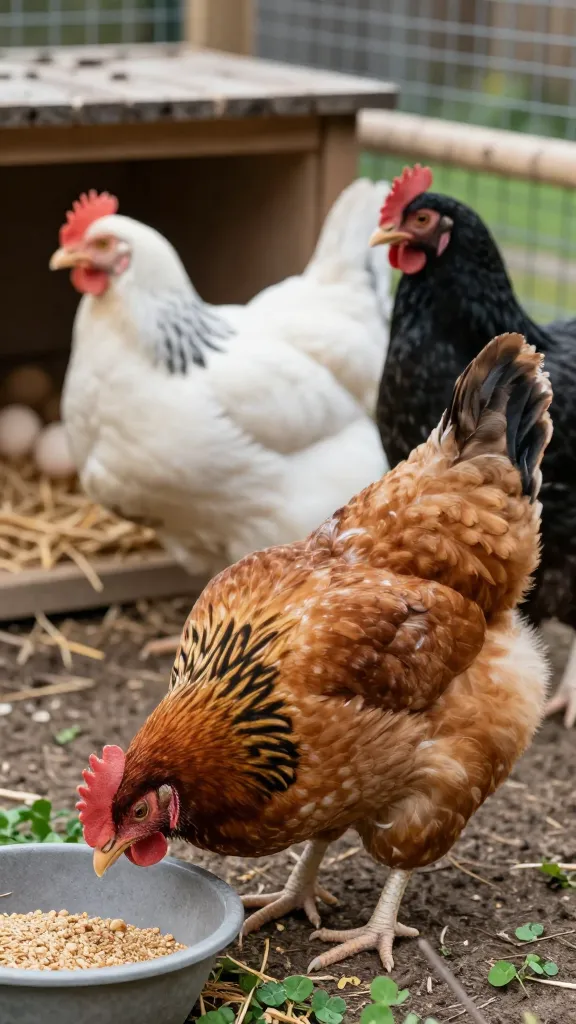
Do they do more than look like walking pom-poms? Silkies bring a different utility: their silky feather structure lacks barbicels, which traps less air and makes them less weatherproof, but they excel as broody mothers and are famously tolerant. They lay modestly (2-4 small cream eggs weekly at best), so think of them as temperament shapers and hatchers rather than egg engines. Vision can be limited by crests; a light trim around eyes improves navigation and social reading, which reduces accidental pecks. They integrate best when given a buddy and introduced behind wire for several days; once the flock maps them as harmless, tensions usually drop. One Silkie teaching every pullet that human hands mean treats has more value than her egg count admits.
Frequently Asked Questions
What are the best backyard chicken breeds if I have a very small yard?
Choose calm, mid-sized birds that tolerate confinement, like Australorp, Buff Orpington, and Barred Rock. Provide multiple feed and water stations to reduce guarding and add visual barriers so shy hens can step out of view. A Silkie pair can soften flock tone in tight quarters.
How many hens should I start with for my first flock?
Start with 4-6 pullets so social dynamics stabilize without overwhelming your space. That gives redundancy in egg supply and makes pecking-order negotiations less focused on a single low-status bird. Plan 4 sq ft per bird in the coop minimum and 10+ sq ft in the run if free-range time is limited.
Which backyard chicken breeds handle cold winters best?
Wyandottes, Australorps, and Sussex manage cold well thanks to denser feathering and, in Wyandottes’ case, a rose comb that lowers frostbite risk. In any case, prioritize dry bedding, draft-free but well-ventilated coops, and wide roosts so toes are covered by belly feathers. Avoid warming devices that add moisture without fixing airflow.
Are any of these options good with kids?
Buff Orpingtons, Brahmas, and many Barred Rocks are known for steady, approachable behavior. Individual birds vary, so reinforce calm handling and supervise early interactions. Offer treats from a flat palm to reduce accidental nips.
How soon will these hens start laying, and how much can I expect?
Most standard breeds begin around 18-24 weeks, with peak output in their first 1-2 years. Expect 3-5 eggs weekly from generalist layers, 4-6 from high-output lines like production Reds, and 2-4 from Silkies. Egg size and frequency ramp over the first month; calcium and consistent light support the transition.
Choose for Temperament First, Then for Shell Color
Once you know what each frame, comb, and feather type is built to handle, shell color and plumage become the fun part, not the deciding factor. You’ll start to recognize why a Sussex stands up and a Silkie settles, and how a Wyandotte’s comb buys you an easier January. The birds don’t have to match; they have to make a stable little society in the space you actually have.
— keep watching. They’re never boring.