10 Chicken Breeds — The Illustrated Master Guide to Every Type
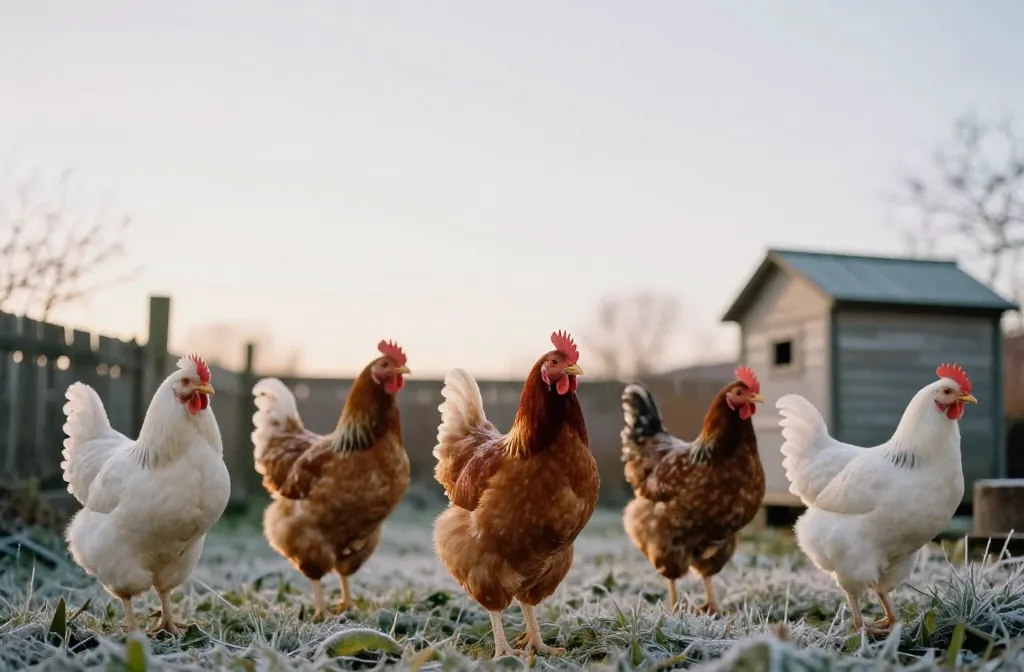
Chicken breeds are more than colors and combs; they’re distinct toolkits of behavior, metabolism, and build that shape how your flock actually lives together. By the end of this guide, you’ll know how to read body type against temperament, what “dual-purpose” really means, and which trade-offs matter for your yard and your winters. A Barred Rock scanning for hawks, a Silkie vanishing in its own fluff, a Leghorn pacing the fence line — each is doing what it was built to do. We’ll pair recognizable names with the real mechanisms underneath so your choice is informed, not just pretty.
1. Rhode Island Reds — the Reliable Breed Behind a Backyard Flock
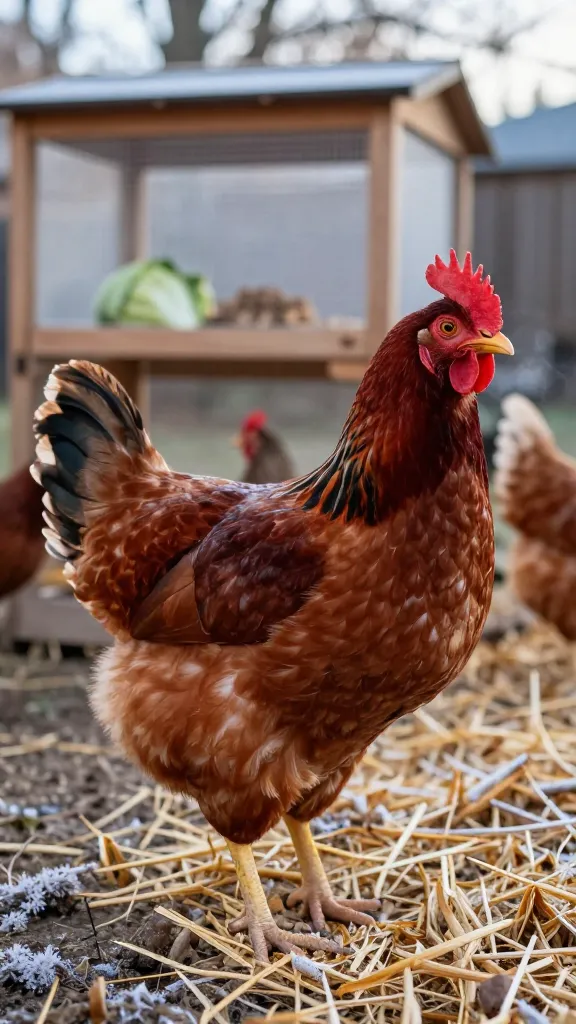
Why do Rhode Island Reds seem to lay through weather that pauses other birds? They were bred from robust Mediterranean and Asian stock for industrial-era consistency: medium-large frames, efficient feed conversion, and an endocrine system selected for long laying cycles with short pauses. Expect 5-6 eggs per week in their prime, tapering after year 2. They’re confident, sometimes pushy; give them space and enrichment to prevent boredom bullying. If your winters are cold, a simple windproof coop and 14 hours of light will help keep production steady without forcing birds beyond their natural molt and rest periods.
2. Silkies Can Barely See Through Their Own Crests — and It Changes Everything
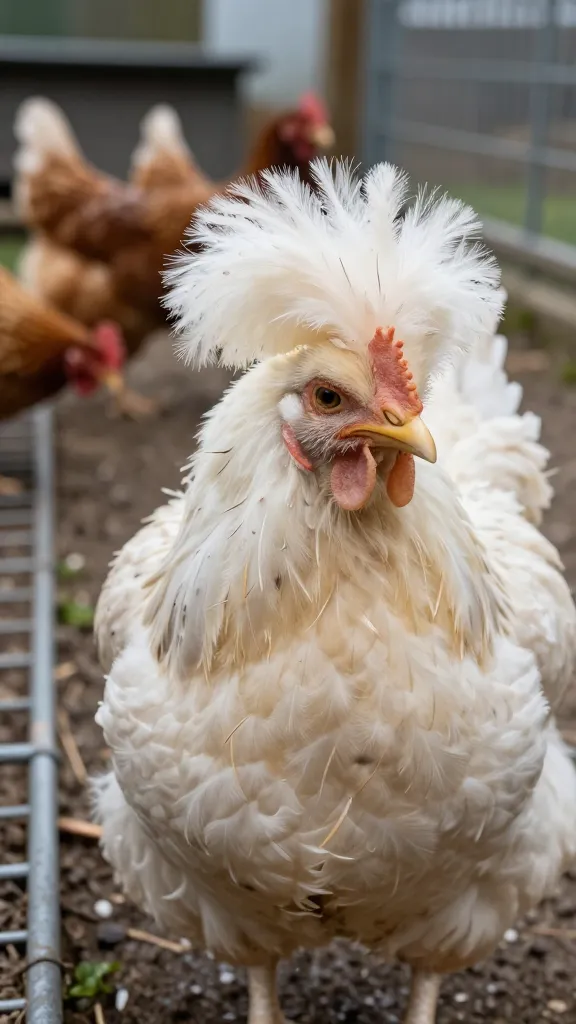
Why are Silkies so placid, and sometimes the ones getting pecked? Their soft, “fur-like” feathers lack the barbicels that lock barbs into flat vanes, which means big crests that obscure vision and poor waterproofing. Reduced visual bandwidth lowers reactivity; it also means they can miss social cues and feeder lines. Trim around eyes if vision is clearly blocked, and keep runs dry because these feathers saturate fast. The upside: calm birds that brood readily and mother hard; the cost: slower in mixed flocks with assertive, sight-rich breeds unless you manage introductions with extra patience.
3. Leghorns Prove That Lightweight Frames Make Heavy Egg Numbers
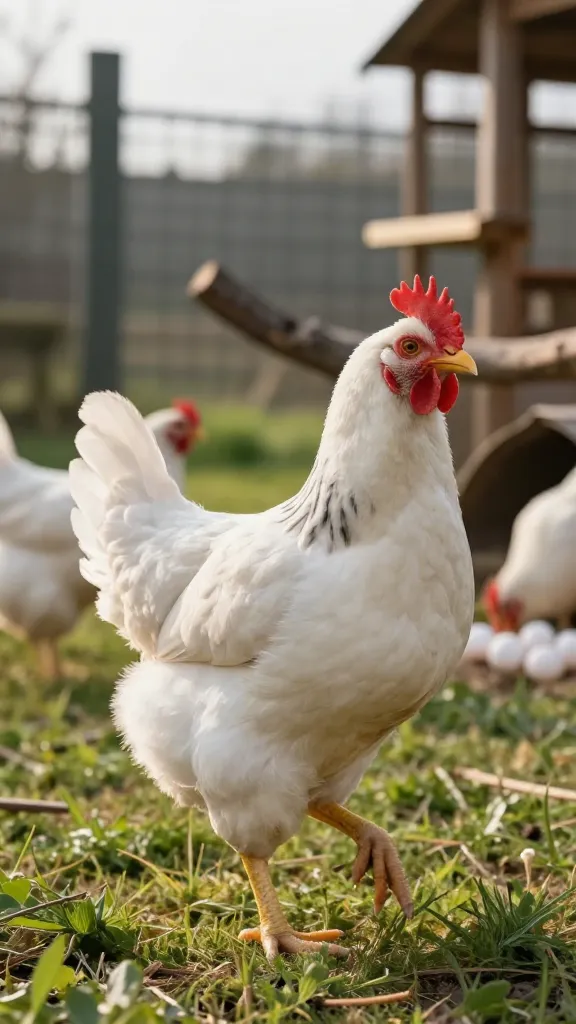
How do small, flighty birds put out so many white eggs? Leghorns were refined for high lay with minimal body maintenance: light frames, high metabolism, and ovarian cycles optimized for short intervals between ovulations. They channel calories to eggs rather than mass. The behavior follows the build: alert, wary, inclined to range and fly. Provide vertical escape routes and secure fencing; they stress in cramped runs. If you want feed efficiency and 6+ eggs per week in peak seasons, they’re unmatched, but they won’t be lap birds and may outsmart your 4-ft fence by lunchtime.
4. Orpingtons Are Big on Purpose — Heat-In, Heat-Out Physics
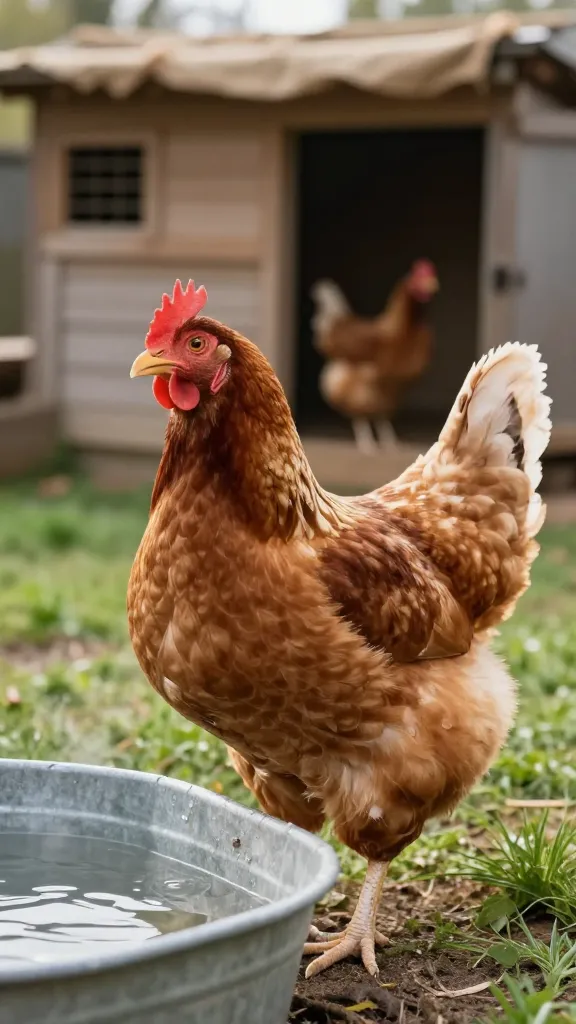
Why do Orpingtons carry so much fluff, and what does that mean day to day? The heavy, broad body with dense feathering increases surface-area-to-volume efficiency in cold: less heat lost per pound, more insulation trapped in that down. That same trait turns into a liability in high heat; panting and wing-lifting show they’re dumping excess warmth. Plan shade, constant water, and evaporative options in summer; in winter, they cruise with minimal drafts. Their temperament tends toward calm and friendly thanks to selection for docility in close quarters — perfect for families, provided summer care is serious.
5. Australorps Hold an Egg Record Without Acting Like It
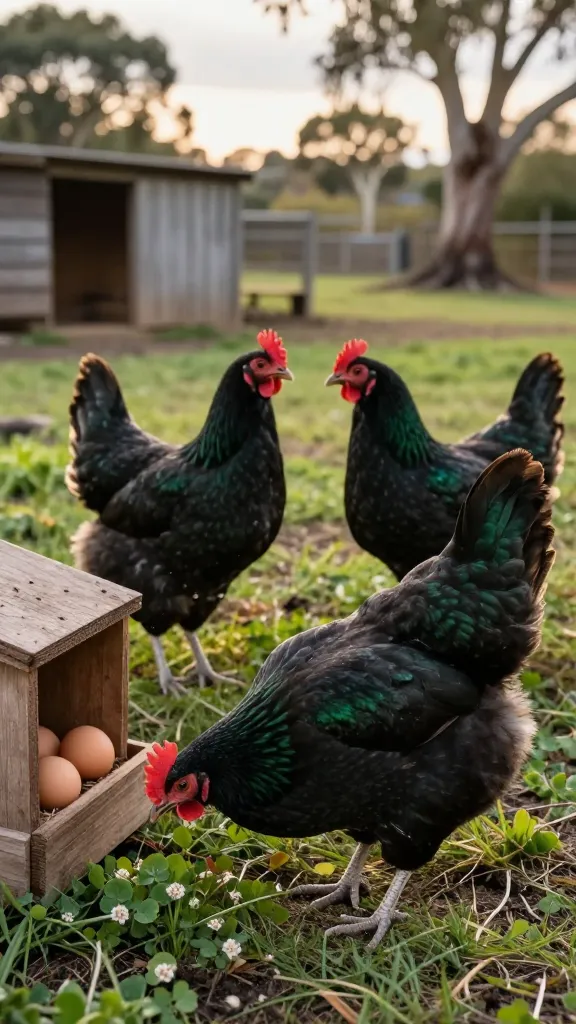
How did a dual-purpose bird end up famous for a laying record while staying even-tempered? Australorps were built from Orpington roots with selection for efficient lay under moderate feed and varied climate. The endocrine balance yields high output without the razor-thin margins of commercial hybrids, which often trade longevity for front-loaded lay. Expect steady brown eggs, sweet dispositions, and good foraging sense. They’re proof that you can have productivity and humane manageability in the same frame — a practical anchor bird for a mixed flock.
6. Polish Look Like Party Hats, But the Brain Under the Crest Is Normal
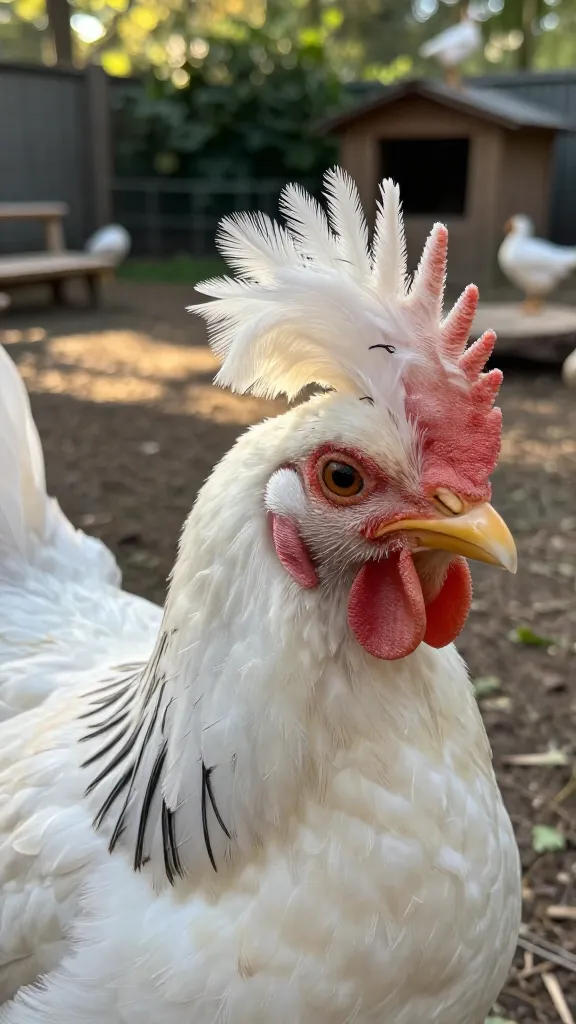
Do Polish act silly because they’re “ditzy,” or because they can’t see? The brain is ordinary chicken; the crest is extraordinary feathering that blocks lateral vision. Startle responses and “freeze-and-stare” moments are sensory, not intellect. Trim minimally around eyes if needed and avoid mixing them with high-status, fast-pecking birds unless you can supervise the social ladder. Their curiosity thrives in calm, enriched runs with visual cover they can actually detect; once they trust their map of the space, the skittishness softens into nimble foraging.
7. Plymouth Rocks Are the Default for a Reason — Social Glue Matters
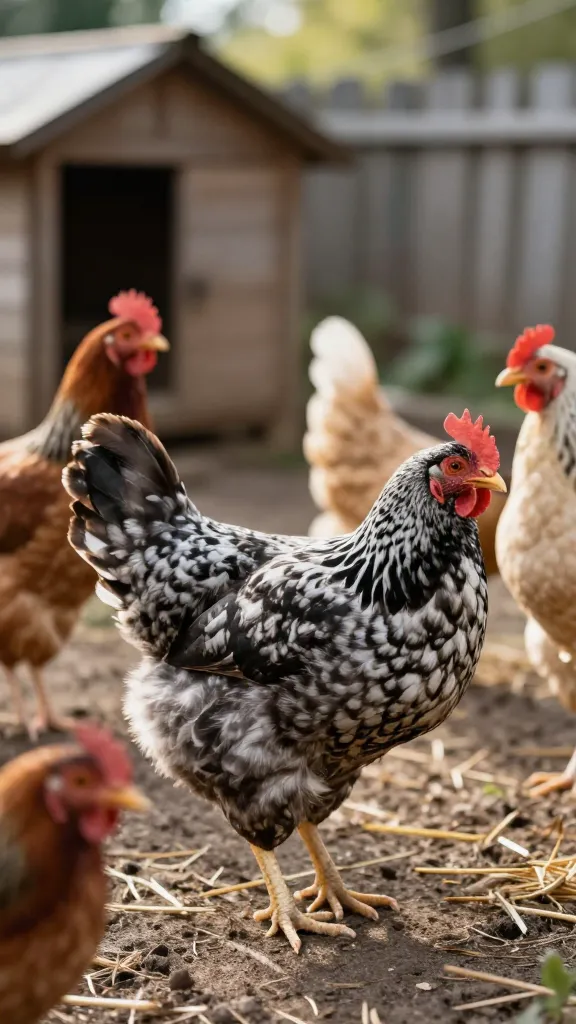
Why do Barred Rocks slot into mixed flocks without constant drama? Broad bodies, moderate assertiveness, and selection for farmyard adaptability tuned them to be competent but not tyrannical. They read cues well and hold middle-to-high rank without gratuitous pecking. The barred pattern also offers slight predator confusion in motion, which pairs with good situational awareness. If you’re assembling a first flock with varied temperaments, Rocks often stabilize the ladder by absorbing pressure from pushier birds and modeling routine for nervous ones.
8. Easter Eggers Aren’t a Breed — They’re a Genetics Grab Bag That Lays Color
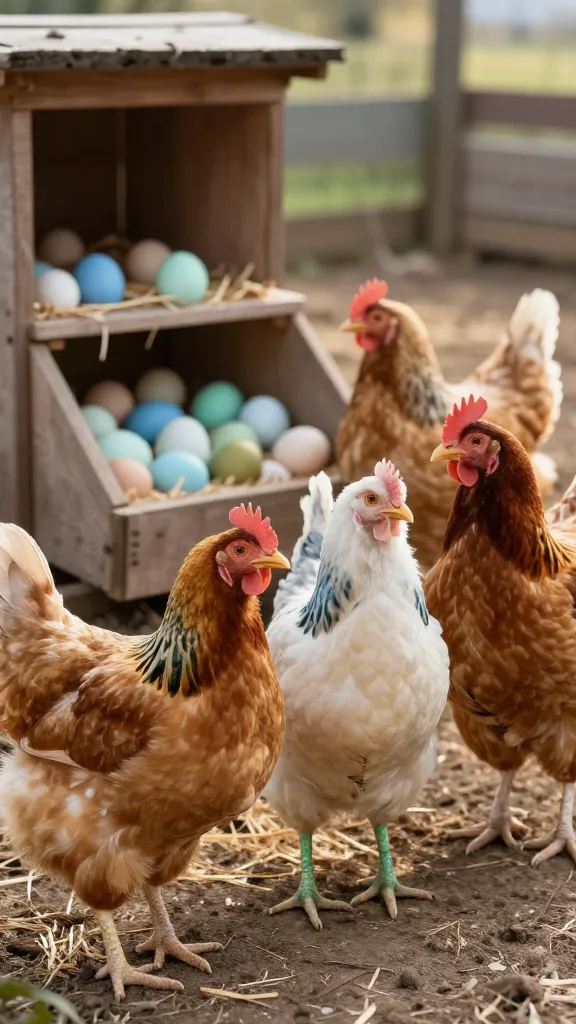
How are you promised blue or green eggs without a fixed standard? “Easter Egger” is a catchall for birds carrying at least one copy of the blue-egg shell gene (usually from Araucana/Ameraucana lines) crossed with other layers. Shell color is a genetic overlay: blue pigment in the shell matrix, brown deposited late, yielding olive when combined. Because they’re not a true breed, you’ll see wide variation in body size, combs, and temperament. The fun is real color; the management key is treating each as an individual rather than assuming a uniform profile.
9. Brahmas Move Like Cushions, But This Breed Is Built for Winter
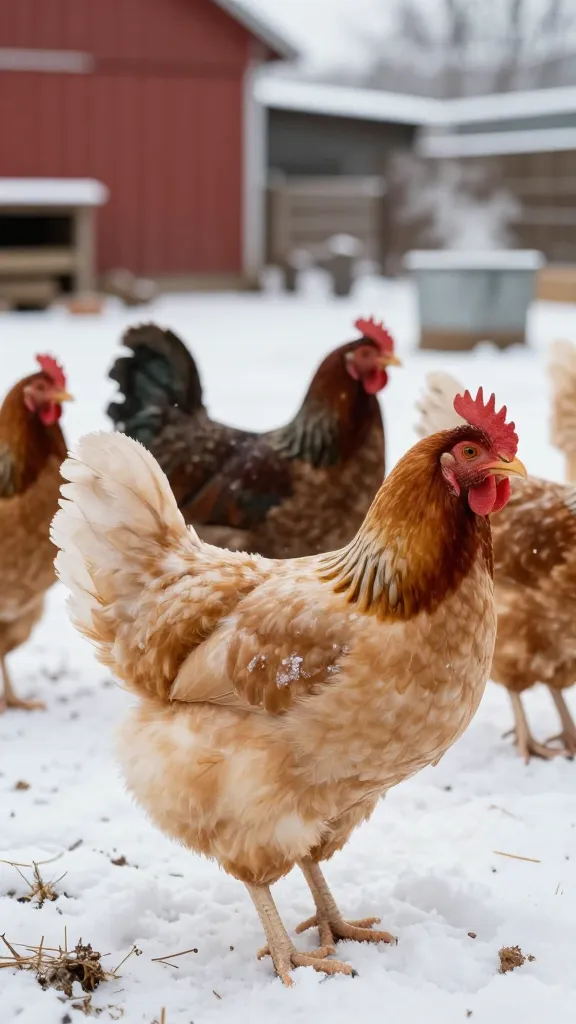
Why do Brahmas seem unbothered in snow while others huddle? Massive frames, thick feathering, and feathered shanks insulate extremities and retain core heat. They’re slow, methodical foragers with calm dispositions, which reduces stress energy in cold snaps. The trade-off: those foot feathers collect mud and ice; keep litter dry and pathways shoveled. They handle confinement better than most large birds, but in heat you must offer deep shade and cool water because that thermal advantage flips fast once temperatures climb.
10. True Bantams Aren’t Miniatures — They’re Built at That Scale
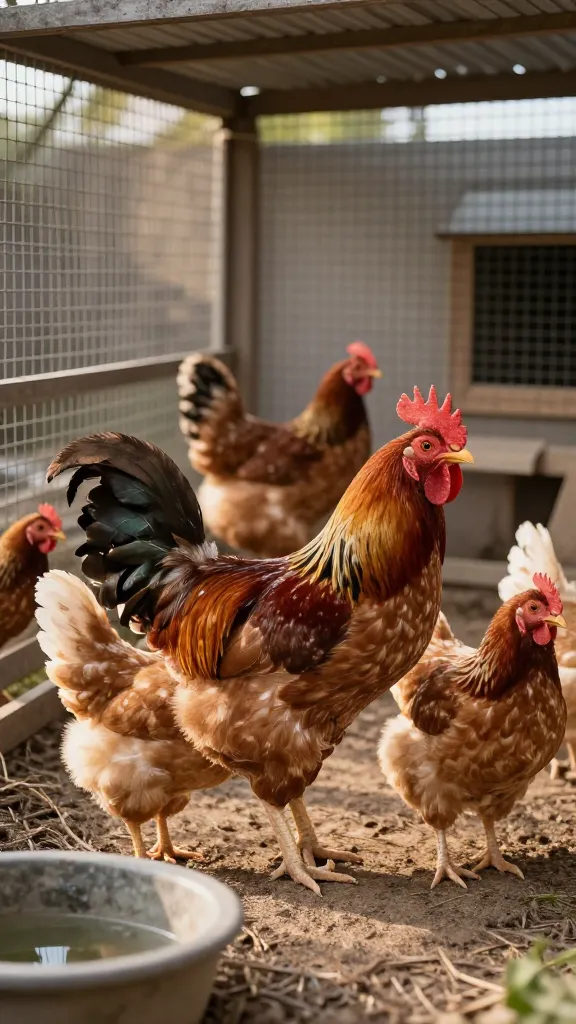
What changes when a chicken is a true bantam rather than a scaled-down large fowl? True bantams (like Seramas and many Japanese types) are genetically small-bodied, not just reduced versions of a standard breed. Smaller mass means faster heat loss in cold, quicker overheating in direct sun, and higher predator risk; it also means efficient space needs and agile flight. They thrive with covered runs, tighter mesh, and microclimate control. Broodiness and bold personalities vary by line, but at this scale, a gust of wind is infrastructure — plan for it.
Frequently Asked Questions
What are the best chicken breeds for cold climates?
Choose heavier, well-feathered birds with small combs: Orpingtons, Australorps, Brahmas, and many Plymouth Rocks do well. Provide a draft-free coop with dry litter, wide roosts to cover toes, and good ventilation so moisture doesn’t freeze on combs. Don’t over-insulate; airflow matters more than most people expect.
Which chicken breeds lay the most eggs over their lifetime?
Commercial hybrids front-load heavy production in years 1-2, often tapering sharply afterward. Among heritage birds, Leghorns, Rhode Island Reds, and Australorps offer steady output with more balanced longevity. Expect the curve: strong for 1-2 years, then a gradual decline; molting pauses of 6-12 weeks are normal.
Are certain birds better with kids and small yards?
Docile, slower-moving birds like Orpingtons, Brahmas, and many Plymouth Rocks are easier for children to handle. In small yards, temperament beats novelty; avoid high-strung fliers like Leghorns unless you can add vertical space and enrichment. Space targets: at least 4 sq ft per bird in the coop and 10+ sq ft per bird in the run, more if mixing assertive types.
How do I pick between these options for a mixed flock?
Balance body size, vision, and assertiveness so no bird is set up to lose daily. Pair mid-assertive “glue” types (Rocks, Australorps) with either calmer heavies (Orpingtons, Brahmas) or one group of keen layers (Leghorns), not both extremes. Introduce with sight-but-no-touch for 7-10 days, then supervised mingling so the pecking order forms with minimal damage.
What’s the difference between “dual-purpose” and layer chicken breeds?
Dual-purpose birds are bred to give both respectable egg numbers and a carcass with usable meat, so they carry more mass and mature slower. Layers prioritize egg output and feed efficiency, staying lighter with faster onset of lay. If you plan to process extra cockerels, dual-purpose has a practical edge; if eggs only, layers squeeze more from every pound of feed.
You’ll Start Seeing the Build Behind the Behavior
Once you know what each frame and feather type is built to do, you’ll spot why the Leghorn scans the sky while the Orpington chooses shade, and why the Silkie needs a clear line to the feeder. Choosing birds gets easier: you’re matching toolkits to climate, yard, and pace, not just picking colors. You’ll also feel calmer during that first week of introductions — the shifts won’t read as chaos so much as a ladder finding its rungs.
— keep watching. They’re never boring.