Marans Breed Guide (Chocolate Eggs)

A hen steps down from the nest and you do a double take: the egg is a deep, glossy brown, almost mahogany. That’s the calling card of Marans, a French breed built for both the table and these famously “chocolate” eggs. What makes that shell so dark, and what kind of bird lays it reliably in a backyard flock? This guide starts with where Marans came from and why they look and act the way they do, then gets practical about temperament, laying, climate, and the honest drawbacks so you can decide if they fit your yard and your goals.
Built at a Port: How Purpose Shaped the Marans

Marans were developed around the 19th–early 20th century in the port of Marans, France, where gamey local fowl met imported breeds arriving by ship. The aim was a dual-purpose farm bird: good carcass quality and distinctive dark-brown eggs prized by local markets. That origin matters because selection for both meat and exceptionally pigmented shells affects body type, growth rate, and laying rhythm. The breed standard in many countries emphasizes a solid, medium-heavy frame, clean feathering on the shanks in some lines and feathered in others, and a calm, functional demeanor more interested in forage than fanfare.
What Makes the Eggs Chocolate?
Brown egg color in chickens comes from protoporphyrin, a heme-derived pigment deposited late in shell formation in the shell gland (uterus). In Marans, selection amplified both the amount and evenness of this pigment layer, which sits as a coating on top of a normally pale shell. That’s why you’ll often see speckling or a slightly satiny finish and why the color can lighten as the season goes on: each egg draws down the store of pigment granules until the hen pauses or molts and the system “resets.” Darkest eggs tend to appear at the start of a laying cycle and after a break.
Appearance and Genetics: Beyond the Glossy Egg

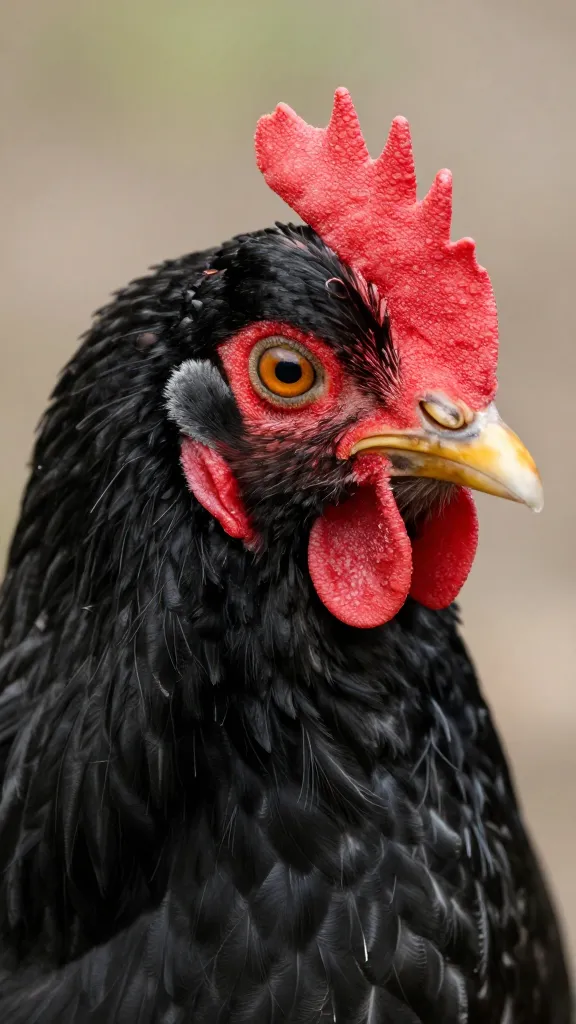
Marans come in multiple recognized color varieties, with Black Copper being the most widely known in backyard flocks. The deep black body with copper hackles in hens (and copper saddle and hackle in roosters) is governed by interactions among the extended black locus, red enhancers, and pattern modifiers; that copper can range from rich to washed out depending on selection. Bodywise, expect a broad back, medium tail angle, and a single comb with well-defined points. Some lines have feathered shanks while others are clean-legged; which is “correct” depends on the standard you follow, but feathered shanks can mat in wet runs and need monitoring for mud and mites.
Temperament: Why Do Marans Feel So Steady?

Selection for a dual-purpose, foraging farm bird tends to favor a lower-reactivity nervous system: birds that investigate rather than bolt. Many keepers describe Marans as calm, moderately active, and socially middle-of-the-road — not pushovers, not bullies. That steadiness likely reflects both genetics and the sensory world of a heavier-bodied chicken that spends real time scanning the ground; a bird oriented to forage has a different pace than a light Mediterranean sprinter. Individuals vary, and cockerel temperament is shaped by early handling and space as much as by breed.
Laying Performance, Broodiness, and the Color Tradeoff
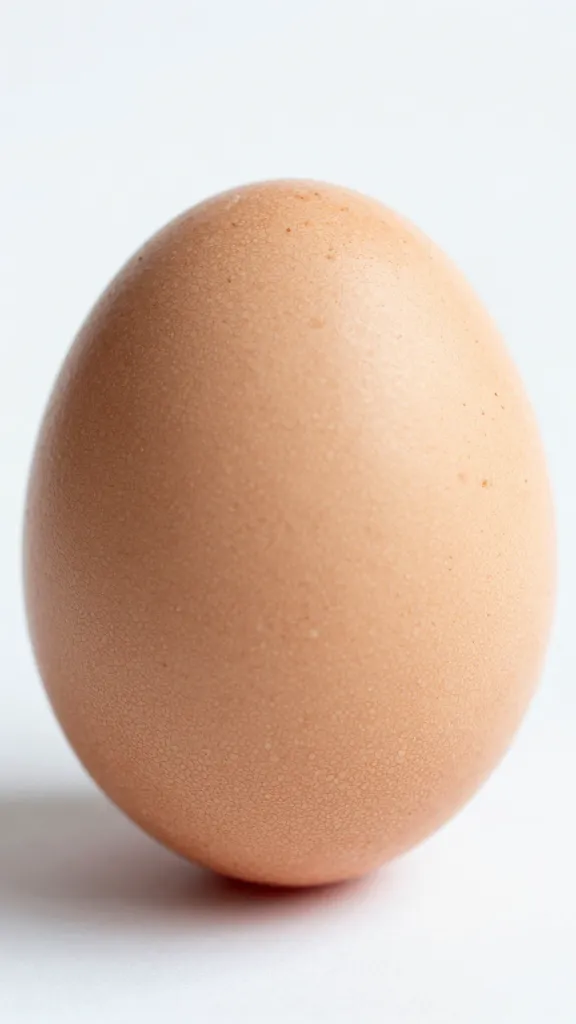
Expect roughly 150–200 eggs per year from most backyard Marans hens, with honest variation by line, season, and management. The first eggs of a cycle are typically the darkest; color often lightens progressively across weeks as pigment stores are used. Some hens show light broodiness; not as prone as a Silkie, more than a high-output layer. If you are hoping for showpiece color every egg, every week, this is the wrong expectation for the biology — the pigment is a finite daily resource, not an on/off switch.
Marans and Climate: Can They Handle Your Weather?

With their heavier build and single comb, Marans manage cool to cold weather well provided they have a dry, draft-free coop. The larger comb tips can be frostbite-prone in very cold, damp conditions, so good ventilation to move moisture out matters more than added heat. In heat, their mass works against them: shade, ample cool water, and air movement are essential, and free-ranging access to cover helps them thermoregulate by choosing microclimates. Feathered shanks, if present, demand extra vigilance in wet, muddy seasons to prevent caking and mite harborage.
Foraging, Feed, and the Meat Side of “Dual-Purpose”

Marans are competent foragers and will work a yard methodically, which can trim feed bills in seasons with good insect and plant matter. As a dual-purpose breed, cockerels and surplus hens carry a respectable carcass with well-flavored meat, reaching table weights later than modern broilers but on a realistic smallholder timeline. That growth curve shows up in your feed budget: slower maturation means more feed per pound of meat and a later onset of lay compared with high-production hybrids. The trade is durability and a bird that feels at home outside, doing chicken work.
Integrations and Flock Dynamics: Where Do Marans Slot In?

In mixed flocks, Marans often land mid-rank in the pecking order. Their calm posture reduces skirmish frequency, but a heavier hen can hold her ground if crowded. Give them enough feeder space — 10–12 inches per bird at a linear feeder — so slower eaters aren’t shouldered out by lighter, quicker breeds. During integrations, watch the shanks on feather-legged birds; pecks that would harmlessly glance off scales can catch and fray feathering, inviting irritation.
Are Marans for You? The Honest Fit

Choose Marans if the deep-brown egg truly matters to you, you want a calm, moderate layer, and you value a bird that looks and feels traditional in a yard. They suit keepers who can tolerate seasonality in egg color, keep a run dry, and appreciate foraging behavior without expecting acrobatics. They are not the best pick if you need maximal egg numbers, uniform shell shade year-round, or a bird built for extreme heat.
The Drawback You Should Plan For

The same biology that produces the coveted color produces variability: eggs lighten within a cycle, and lines differ widely in depth of brown. If you buy chicks or hatching eggs purely on the name, you may be disappointed by mid-brown shells from an unselected line. Good management cannot turn a genetically average layer into a chocolate specialist, and real selection takes generations. If you want chocolate eggs, source from a breeder who shows you the actual first clutch color from the dam line, not just a label.
Frequently Asked Questions
How dark are Marans eggs really, and does the color fade?
Top lines produce shells ranging from deep brown to mahogany, often with a satin finish or speckles. Color is darkest at the start of a laying cycle and typically lightens over weeks; after a rest or molt, it returns to its top shade again. Expect honest variability by individual and line.
Are Black Copper Marans good for beginners?
Yes, if you value temperament over maximum egg numbers. They’re generally calm and adaptable, but they do best with a dry run, good ventilation, and some shade in hot climates. Plan for 150–200 eggs a year rather than high-hybrid output.
Do Marans go broody often?
Some do, but they’re not strongly broody as a breed. If a hen sets, she’s usually a steady sitter with good manners, but many will not commit without classic triggers like a clutch build-up and quiet nesting space. Breaking broodiness is the same as for other breeds: cool, ventilated separation and time.
What should I feed Marans to keep egg color dark?
Standard layer nutrition (16–18% protein with adequate calcium) supports shell quality, but feed does not turn a mid-brown layer into a chocolate layer. The pigment amount is largely genetic and managed by the shell gland’s capacity and timing. Focus on consistent nutrition, low stress, and reasonable lay-rest cycles to let natural color show.
Can Marans handle cold winters?
They handle cold well with a dry, draft-free coop and excellent ventilation to move moisture out. Protect larger single combs from frostbite risk by reducing dampness rather than adding heat. Deep bedding and unfrozen water are the real essentials.
Are feathered legs a problem in muddy runs?
They can be. Feathers on the shanks hold mud and moisture, which can irritate the skin and shelter mites. Keep high-traffic areas dry with gravel or coarse wood chips, and check legs regularly, trimming only if mats become persistent and never cutting into skin.
You’ll See the Story in the Shell
Watch how the first dozen eggs after a pause go darkest, then soften in tone as the weeks stretch — that’s the shell gland telling you exactly where your hen is in her cycle. Notice which birds hold a steady mid-brown and which lay a few “wow” eggs, then go lighter; those patterns are heritable, and you’ll start to recognize them like a signature.
— keep watching. They’re never boring.