Buff Orpington Breed Guide
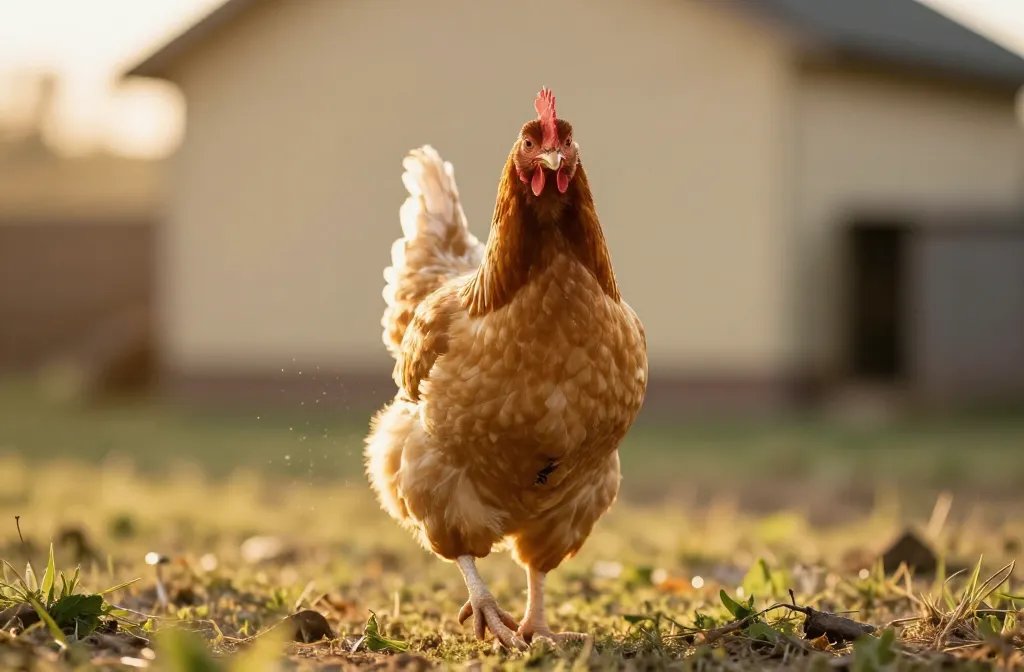
A Buff Orpington steps out like it owns the morning: broad, honey-gold, and unhurried. Buff Orpington chickens were built to be big, calm, and useful — but why does that history make them so famously gentle, and what are the honest tradeoffs behind the fluff? This guide answers that straight, then goes deeper: how the breed’s body plan shapes its behavior, how selection for dual-purpose utility shows up in egg seasons and broody spells, and when that sweet temperament can work against a bird. You’ll leave knowing what this bird needs, what it returns, and how to read one when she goes from serene to serious.
What This Bird Was Bred to Do — And Why It Matters
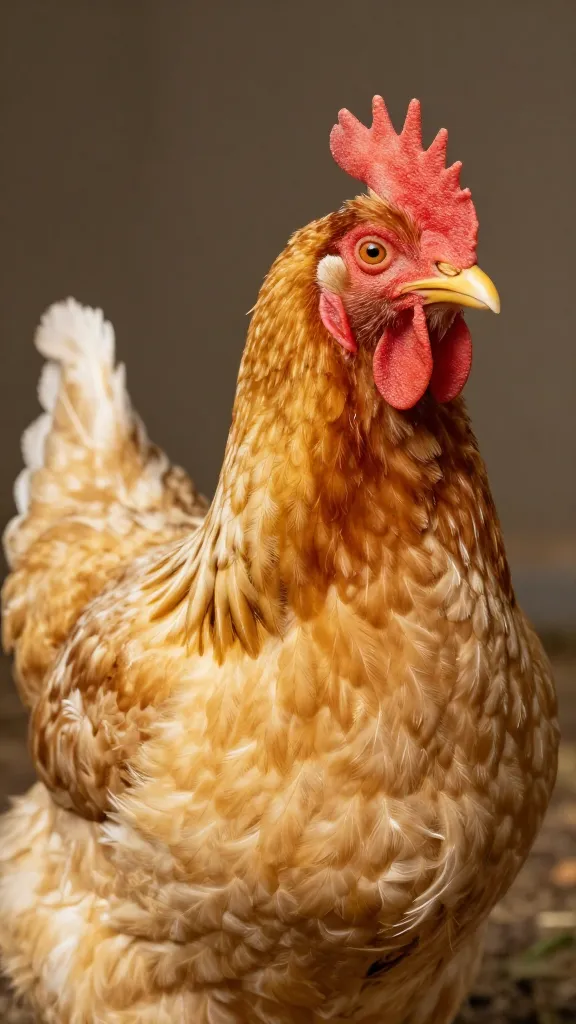
The Orpington was developed in late-19th-century England as a dual-purpose chicken: substantial carcass, reliable eggs, and a tidy appearance suited to an emerging show culture. The Buff variety followed quickly and became the banner color in North America. Selection favored a deep body, loose but abundant plumage, and a temperament calm enough for small yards. That combination tells you a lot about what you’ll see: birds who tolerate handling, carry heat poorly, forage without urgency, and put seasonal energy into both laying and mothering.
Because they were not bred as racehorses of the egg world, their output sits below production hybrids but above many ornamental types. And because they were not bred as rangy foragers, you will see more feed conversion into body maintenance than into sprinting across pasture. The upside is steadiness: this is a bird that accepts routine and teaches it to the rest of the flock by example.
Buff Orpington Looks: What’s Feather and What’s Frame
A Buff Orpington’s visual “bigness” is two things layered: a genuinely deep, broad frame beneath a lot of feather. The plumage is soft and loose, which traps air for insulation but also holds moisture in humid heat. The color itself — uniform warm buff — is controlled by variants that suppress black pigment, which is why you’ll sometimes see a faint sootiness in tail tips or hackles in hatchery lines. In show-bred birds, the buff is even and matte; in utility strains, small shade variations are common and harmless.
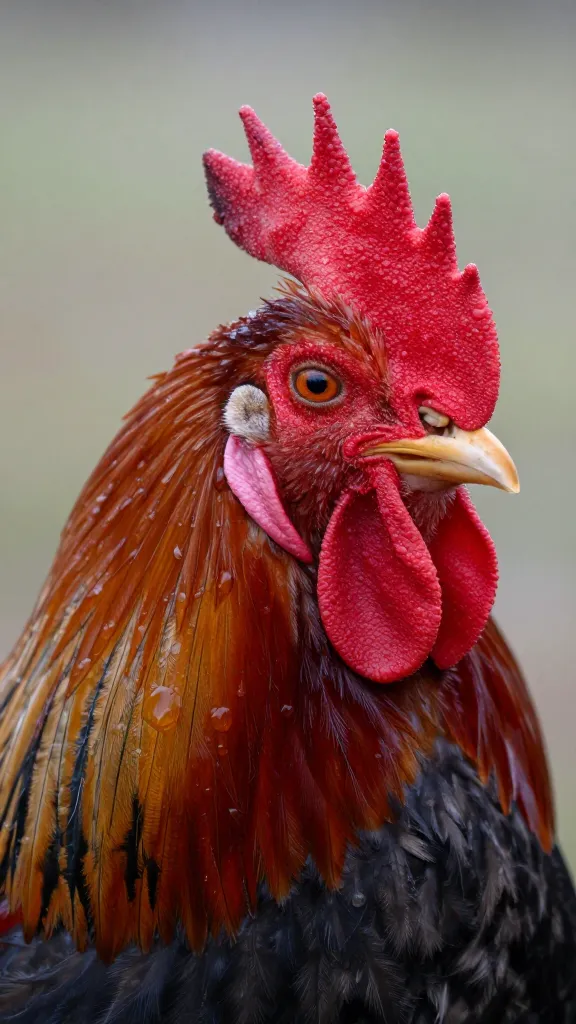
Hens typically weigh in the mid to upper single digits in pounds, roosters a couple of pounds more; line and feed matter, so honest ranges beat single numbers. The comb is a single comb with medium points, which is elegant but means exposed tissue in winter. Legs are clean, skin is white, and the overall silhouette is a broad U rather than a sharp triangle. That shape signals a center of gravity built for calm movement and squat brooding rather than fast aerial escapes.
Temperament: Why Are They So Calm?
Buff Orpingtons have a reputation for being unflappable. That is not a myth. Generations of selection rewarded individuals who tolerated handling, stayed steady in confined runs, and did not waste energy on flightiness. The result is a breed whose baseline arousal is low: they startle less, settle faster, and make fewer social escalations. In practical terms, they integrate more easily with quiet breeds, accept children more reliably, and can be out-maneuvered by a determined pigeon at the feeder.
Calm is not the same as powerless. In pecking order disputes, a Buff Orpington hen will often step aside early — until she decides not to. The deep body gives real mass behind a shoulder push, and a broody Buff can be emphatic about nest access. You’ll see more chest-blocking and stance than high-speed chasing; it’s negotiation by presence. The one risk of their tolerance is learned helplessness around bullier, lighter breeds if space or resources are tight. Provide sightlines and multiple stations so a patient bird doesn’t wait herself out of protein.
Eggs and Broodiness: Expect Seasons, Not Just Totals

Buff Orpingtons are steady layers in their prime, with typical yearly totals in the mid-hundreds rather than the 250–300 you’d expect from commercial hybrids. Eggs are large, light brown, and increase in size across the first season. Where they differ is rhythm: they often pause during deep molts (6–12 weeks depending on age and day length) and are more prone to broodiness than high-output breeds.
Broodiness is not a defect here; it’s part of the genetic package. Expect some hens to set hard in late spring and early summer, sometimes more than once. If you plan to hatch, this is a gift — Buffs make attentive, steady mothers with good chick cover. If you do not, you’ll need a humane break routine: remove the heat cue by using a wire-bottomed crate in the run with food, water, shade, and airflow for 2–3 days, or disrupt nest access and collect promptly. The physiology is straightforward: interrupting sustained breast heat and nest contact lowers prolactin, and the cycle eases.
Climate: Built for Cold, Manage the Heat
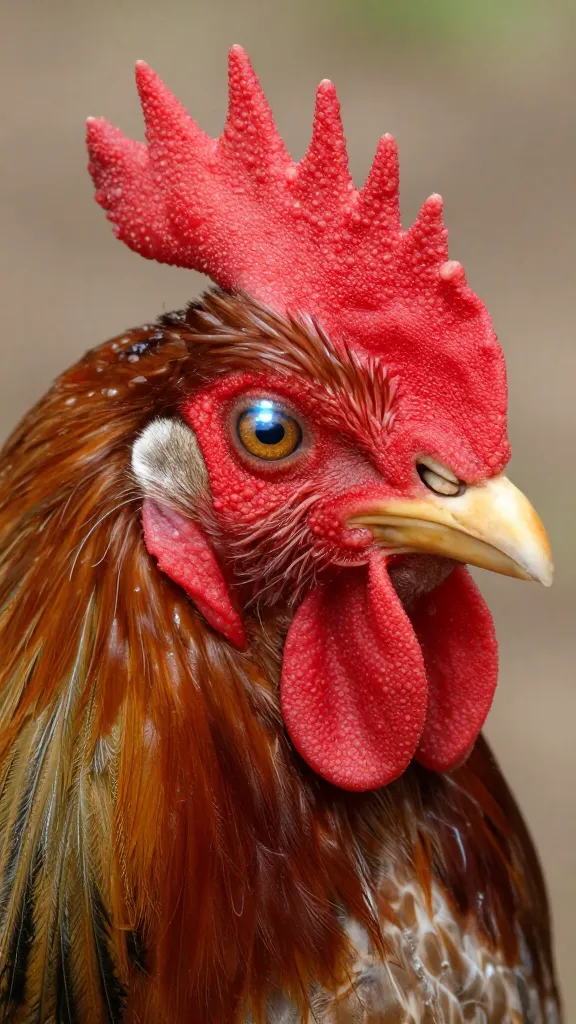
All that feather is a winter asset. Buff Orpingtons carry an insulating layer that reduces convective heat loss, and their calm behavior conserves energy. In cold climates, draft-free ventilation, dry litter, and perch space that lets them sit over feet keep frostbite risk low. The single comb remains the vulnerable spot; petroleum jelly does not “insulate” a comb, but keeping humidity managed in the coop and avoiding overnight dampness are the real levers.
Heat is the honest downside. In humid summers, the same loose plumage that traps warm air becomes a liability. Watch for open-mouth breathing, wings held slightly out, and listlessness in the afternoon. Shade, constant water, and evaporative options (misters that do not soak the run, frozen water bottles in pans) help. Keep litter dry and shallow in peak heat so microclimates don’t trap humidity. A haircut is not recommended; feathers are for more than warmth, and clipping changes waterproofing and sun exposure.
Buff Orpingtons in a Mixed Flock: Who They Pair With and Why

Because of their size and demeanor, Buff Orpingtons match best with other large, calm breeds: Australorps, Wyandottes, Brahmas. With lighter, higher-drive birds (Leghorns, some Mediterranean types), resource layout matters more. Offer multiple feeders and waterers at least 6–8 ft apart and provide vertical and lateral escape routes. In runs, a couple of well-placed barriers (brushy shrubs, pallet walls on blocks) reduce line-of-sight and prevent corridor bullying.
Their foraging drive is moderate. On pasture, they’ll graze and scratch, but they tend to stick close and may not range to far corners without a leader. In small yards, this is a plus; in larger spaces, pairing them with a confident ranging breed can extend the flock’s footprint. One practical note: their feather density catches burrs and mud more readily, so plan for sheltered entrances to coops to keep bedding clean.
Who They Suit — And Who Should Choose Another Breed
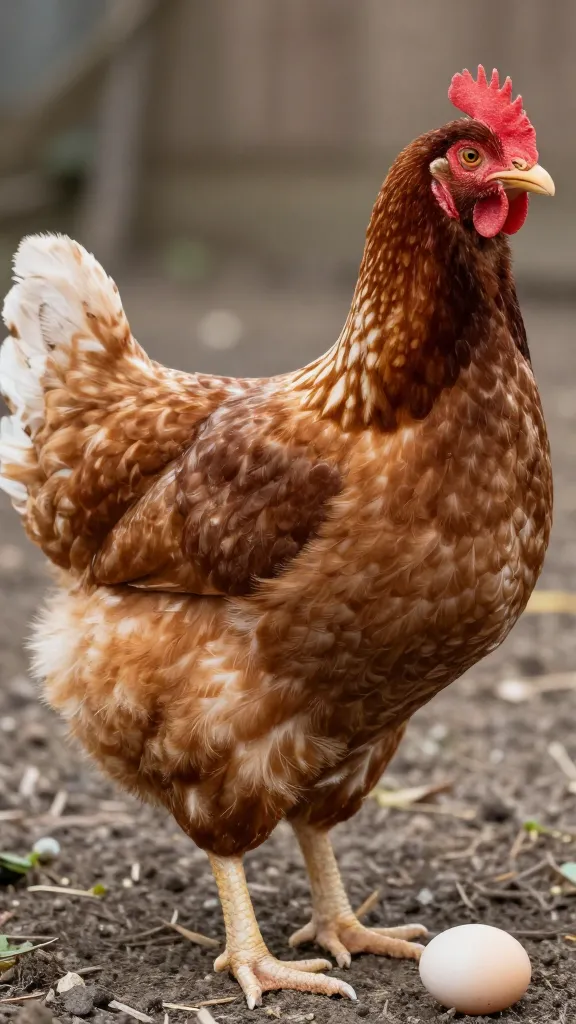
Choose Buff Orpingtons if you want calm birds for a family yard, if you value broody potential for home-hatching, and if winter is your long season. They’re excellent for keepers who prefer routine and a flock that doesn’t test fences. They also suit educators and therapy settings where demeanor matters as much as output.
Choose another breed if you need maximal eggs per pound of feed, if your summers are long and humid without shade, or if your flock skews toward flighty, fast breeds that might outpace and outcompete calmer hens. For tight urban coops with heat island effects, a lighter-bodied, heat-adapted layer can be a kinder choice.
The Honest Drawback
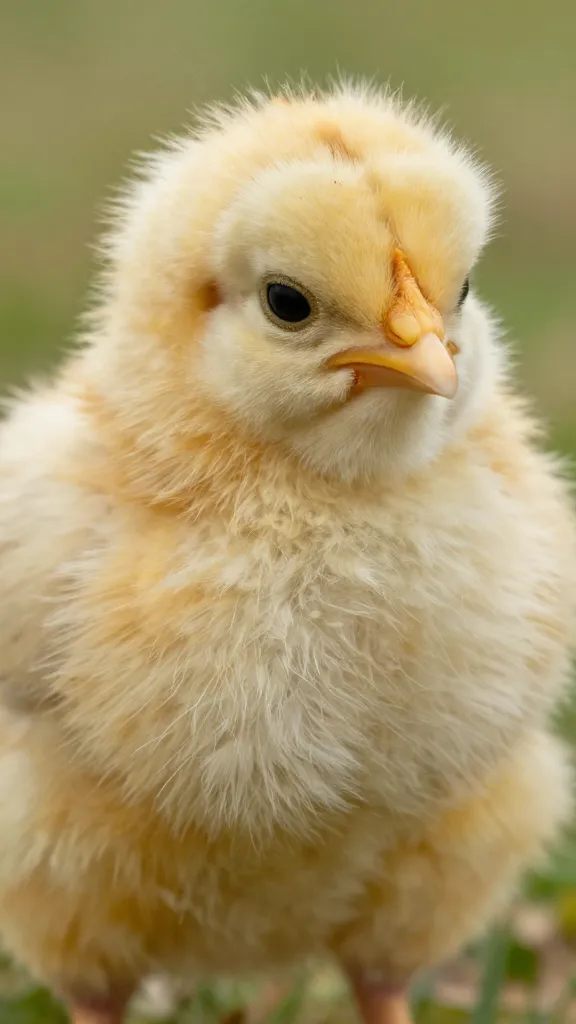
Buff Orpingtons pay for their kindness with heat vulnerability and a tendency to go broody right when you were counting on June eggs. Neither is a deal-breaker with planning, but both are structural — you manage them; you don’t train them out. My one opinion: a Buff Orpington should be chosen for temperament first and eggs second, and you’ll be far happier when she decides the nest is life this month.
Why They Act the Way They Do: The Biology Under the Fluff

Temperament is heritable in chickens. Selection for low reactivity shows up as lower baseline corticosterone responses and slower flight initiation distance — the point where a bird decides to move away. Couple that with a deep keel and broad pelvis, and you get a body optimized for steady thermoregulation and stationary brooding. Behavior follows the blueprint: less sprint, more stance; less alarm, more assessment.
Broodiness is a hormonal state, not attitude. Sustained egg accumulation, nest contact, and low light push prolactin up and luteinizing hormone down, halting ovulation and driving incubation behavior. Buff Orpington lines maintain this switch readily. If you break a broody and she resumes laying, that is physiology resetting, not “winning” an argument with your hen.
Care Notes That Matter for This Breed

- Space: Aim for 4–5 sq ft per bird inside and 10+ sq ft outside; more is better for mixed flocks so calmer birds aren’t edged out.
- Perches: Thick, rounded edges (2×4 wide side) let them sit over toes in winter and support heavier bodies.
- Nests: Provide 1 box per 3–4 hens; for a broody line, have a way to separate a setter with her clutch without social chaos.
- Feed: Standard layer ration works in lay; in molt or winter, ensure 16–18% protein and monitor body condition under the fluff with a hand check along the keel.
- Grooming: Do not bathe unless medically necessary; manage mud at the source with good drainage and covered runs.
Frequently Asked Questions
How many eggs do Buff Orpingtons lay per year?
Expect honest mid-range production for a dual-purpose bird: steady through spring and fall, lighter in peak summer heat and during molt. Many hens sit in the mid-hundreds annually in their prime, with fewer in their first winter and after age 3. Broody spells will pause laying for 3–8 weeks depending on whether they set and raise chicks.
Are Buff Orpingtons good with kids and small yards?
Yes, their low reactivity and tolerant nature make them reliable around calm children. In small yards, their moderate ranging and quiet demeanor are advantages. Provide shade and airflow in summer; heat is their main constraint.
Do Buff Orpington chickens go broody a lot?
They have an above-average tendency to go broody, especially in late spring and early summer. Plan for it: either give them fertile eggs and a safe brooding setup or use a humane broody breaker for 2–3 days to reset hormones. Collecting eggs promptly reduces the trigger to start.
How do Buff Orpingtons handle winter compared to other breeds?
They are strong winter birds thanks to dense plumage and calm behavior that conserves energy. Keep the coop dry with good ventilation to prevent frostbite on the single comb. Provide a wide perch so they can cover toes, and they’ll cruise through typical cold snaps.
What should I watch for during summer with Buff Orpingtons?
Heat stress signs include open-mouth breathing, wings held away from the body, and lethargy in afternoons. Provide shade, constant cool water, and airflow; add multiple water points and avoid overcrowding. In very humid spells, a shaded, dry run matters more than extra treats — water is the “treat” that counts.
You’ll See Them Differently Now
Watch a Buff Orpington solve a dispute by stepping sideways, widening her chest, and simply being in the space until the other hen yields — that’s mass and temperament doing quiet work. When a broody fluffs and clucks low, you’ll hear hormones talking, not stubbornness, and you’ll make a plan that respects the switch she’s flipped.
— keep watching. They’re never boring.