Chicken Molting — What’s Normal and How to Help

You will see chicken molting once a year in a healthy flock: feathers everywhere, ragged birds, and a short dip in eggs. By the end of this guide, you will know what’s normal, how long it lasts, what to feed, and when to worry. In late summer through fall, hens replace most or all of their plumage in four to twelve weeks, and laying often slows or stops so the bird can divert nutrients to feathers. Your job is to confirm it’s a true molt, keep protein and minerals steady, reduce stress, and protect tender pin feathers from pecking.
Chicken Molting Timeline — What’s Normal

Most adult hens molt once a year for six to twelve weeks, starting with head and neck feathers, then back, breast, wings, and tail. A “hard” molt drops many feathers at once and can pause laying completely; a “soft” molt is patchy, slower, and may only reduce eggs. First-year pullets hatched in spring often skip a full molt their first fall and instead do a small partial molt around the neck and saddle. Pin feathers emerge as blue-gray quills and unfurl over one to three weeks; they are blood-fed while encased and painful to peck or bump.
How to Confirm It’s Molt, Not Mites or Illness

Molting birds are bright-eyed, active, eating, and pooping normally; the comb may look paler and egg production drops, but the bird behaves like herself. Rule out external parasites: part feathers at the vent, under wings, and along the back; look for fast-moving red/brown mites or pale lice eggs cemented to feather shafts. If you see crawling bugs, treat as a parasite problem, not a molt. If a bird is lethargic, breathing hard, or has diarrhea, call an avian vet or extension service; illness and feather loss together are not a normal molt.
Feeding During Chicken Molting — Protein and Minerals

Feathers are mostly protein; during molt, switch to a 16–18% protein complete feed as the base. Offer a measured daily supplement of high-quality animal or fish protein at 1–2 tablespoons per bird for two to three weeks at peak molt if your base feed is 16%; if your base is 18%, skip extras or keep them light. Keep free-choice oyster shell available in a separate dish; even if laying pauses, calcium demand resumes abruptly when eggs start again. Do not flood the diet with treat seeds; limit scratch grains to 10% of intake or less and skip raw soy or “mystery” protein powders. A bucket of mealworms is a budget plan, not a nutrition plan.
Coop Care While They Molt — Comfort and Cleanliness
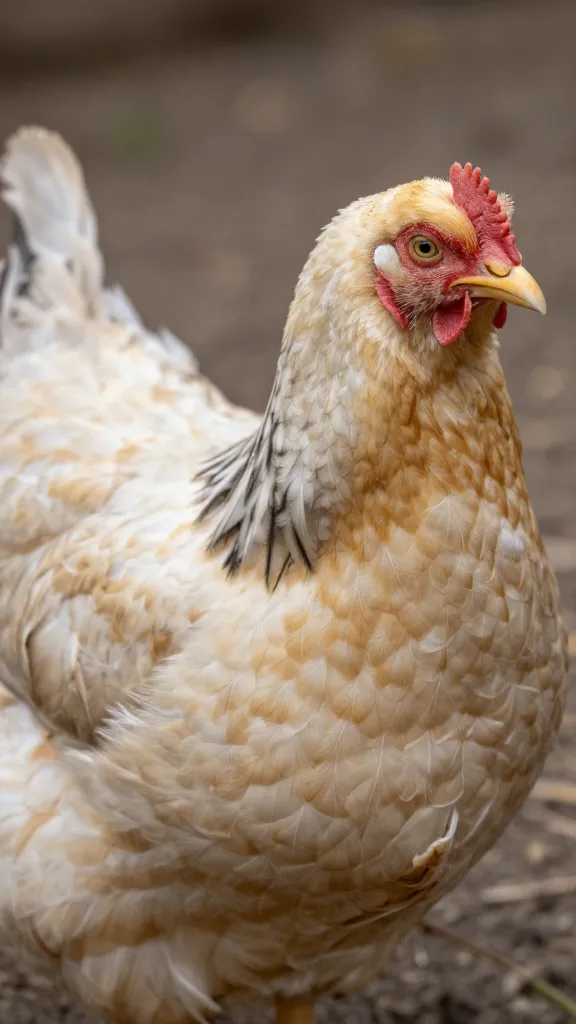
Pin feathers are tender and bleed if broken. Increase flock comfort with clean, dry bedding at 3–4 inches depth and reduce tight spaces and sharp edges. Keep perches smooth and at least two inches across (a 2×4 set wide-side up) to warm feet and reduce wing-scrape. Maintain good ventilation: a minimum of 1 square foot of vent per 10 square feet of floor, covered in 1/2-inch, 19-gauge hardware cloth. Drafts are the enemy; airflow above roost height is the goal. Feathers shed heavily; rake runs weekly and clear damp clumps so they don’t mat with droppings and hold moisture against skin.
Managing Behavior — Pecking, Roosters, and Space

Pin feathers invite pecking. Provide at least 10 square feet of run per bird, more if you can, and enrich with two or more distractions: a cabbage on a string, a scatter of whole oats in deep litter, or a log to balance on. If you see targeted pecking at quills, separate the bully for 48–72 hours to reset the pecking order. Roosters can be rough on molting hens; use a properly fitted, breathable hen saddle for the worst-worn backs for four to six weeks, or pen the rooster separately if backs are breaking skin. If any wound is larger than a dime or bleeds, move that hen to a quiet crate with 1/4-inch mesh over the front and bring her back once scabbed.
Egg Production and Daylength — What to Expect
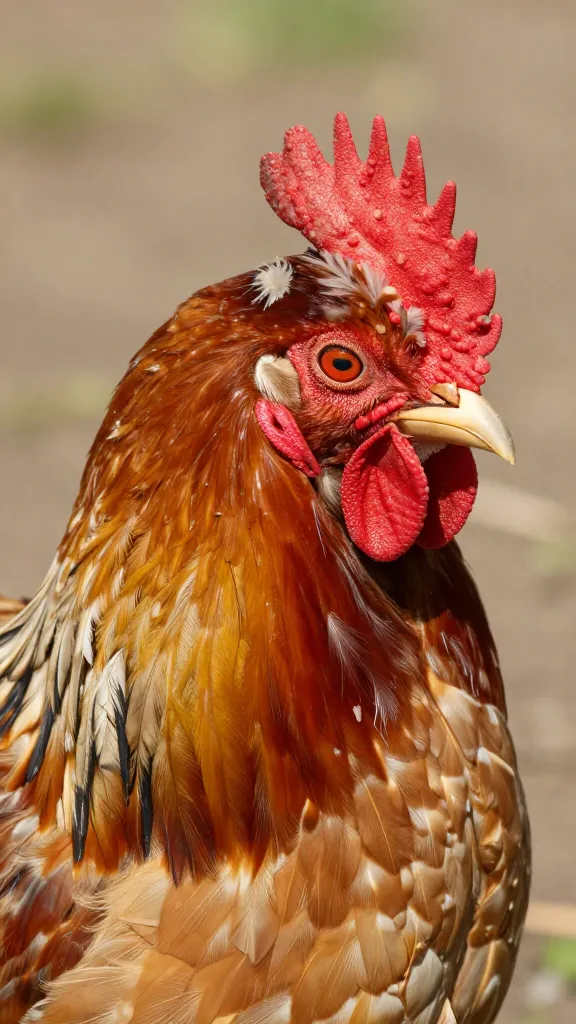
During chicken molting, laying often stops entirely for two to eight weeks because protein and energy are diverted to feathers. As daylength shortens below 14 hours, laying stays low even after molt; some keepers add a low-wattage, timer-controlled light to reach 14 hours total, turning on pre-dawn and off at sunrise. If you choose supplemental light, keep it steady daily and use a shielded fixture mounted at 7 feet or out of reach; never blast a dark coop with sudden nighttime light. If you prefer a natural rest, skip lighting and expect laying to resume with spring daylength.
When Molt Isn’t Normal — Red Flags and Vet Calls

Feather loss that exposes raw, scabby skin, or loss confined to the head and neck with crusts can indicate mites, lice, or pecking rather than molt. A molt lasting beyond twelve weeks with no feather regrowth, weight loss, or persistent diarrhea needs a veterinary check. Bald bellies in broody hens or over the keel bone in thin birds are not molt patterns; address the cause. For any bleeding pin feather that continues to drip, apply gentle pressure with clean gauze for 2–3 minutes; if it won’t stop, that’s a same-day vet call.
What Not to Do During Chicken Molting

Do not handle molting birds more than necessary; pin feathers are painful to touch. Do not bathe them unless specifically directed by a vet. Do not trim or “help” pin feathers; they will sheath and open on their own. Avoid switching feeds back and forth weekly; make one change to a complete 16–18% ration and hold steady for the molt duration. Skip heavy deworming or other flock stressors unless you have a confirmed need; stack changes gently and give two weeks between them.
Frequently Asked Questions

How long does chicken molting last?
A normal molt takes six to twelve weeks from first feather drop to full coverage. Hard molts finish faster but look rougher; soft molts stretch longer with partial loss. If you reach week thirteen with no regrowth, book a vet check and review diet to ensure at least 16% protein.
What should I feed during chicken molting?
Feed a complete 16–18% protein ration and offer free-choice oyster shell in a separate dish. If you’re on 16%, add 1–2 tablespoons per bird of high-quality animal or fish protein daily for two to three weeks at peak molt. Keep scratch and treats under 10% of intake so amino acids go to feathers, not filler calories.
Do chickens stop laying eggs when molting?
Yes, many hens pause laying for two to eight weeks during molt as nutrients shift to feather growth. Production resumes once feathers are in and daylength and diet support laying. If you use a timer light to reach 14 hours of light, eggs may return sooner; keep the schedule consistent to prevent stress.
How can I tell chicken molting from mites or lice?
Molting shows bare patches with clean skin and emerging pin feathers on an otherwise active hen. Parasites show as crawling bugs, dirty feather bases, or nits cemented to shafts, especially around the vent and under wings; part feathers and inspect for 30–60 seconds. If you find parasites, treat accordingly and deep-clean the coop and roosts within 24 hours.
Is it okay to add light during chicken molting?
Yes, you can use a low-wattage light on a timer to reach a total of 14 hours, but keep it steady daily. Set it to turn on 2–4 hours before sunrise and never flip lights on at night. Mount the fixture out of reach, at about 7 feet, and protect the cord with conduit.
Start with Feed and Space

Molting is a six- to twelve-week reset; steady protein, dry bedding, and room to move make it uneventful. Tonight, check your feed tag for 16–18% protein, set out a fresh cup of oyster shell per six hens, and measure your run: you want at least 10 square feet per bird, plus two distractions to keep beaks off quills.
— do it right once.