Why Do Chickens Sleep in a Pile in Winter?
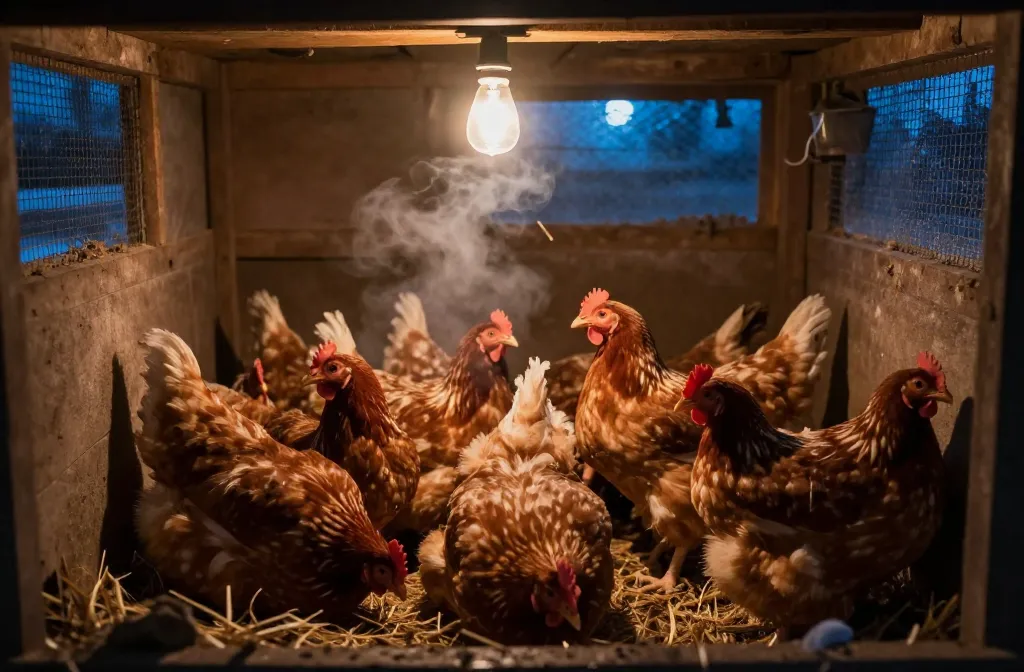
You flip on a coop light and see it: a mound of birds wedged into one corner, wattles tucked, feathers puffed — why do chickens sleep in a pile in winter instead of using the whole roost? The short answer is heat and safety: a pile traps warm air and puts bodies between each hen and the cold. The longer answer is that crowding is a flexible strategy that balances thermoregulation, social rank, and perch availability. This guide breaks down the mechanics, what’s normal, what isn’t, and how to set up a coop so birds can choose warmth without courting frostbite or smothering.
How Piling Works: Feathers, Air, and the Physics of Warmth
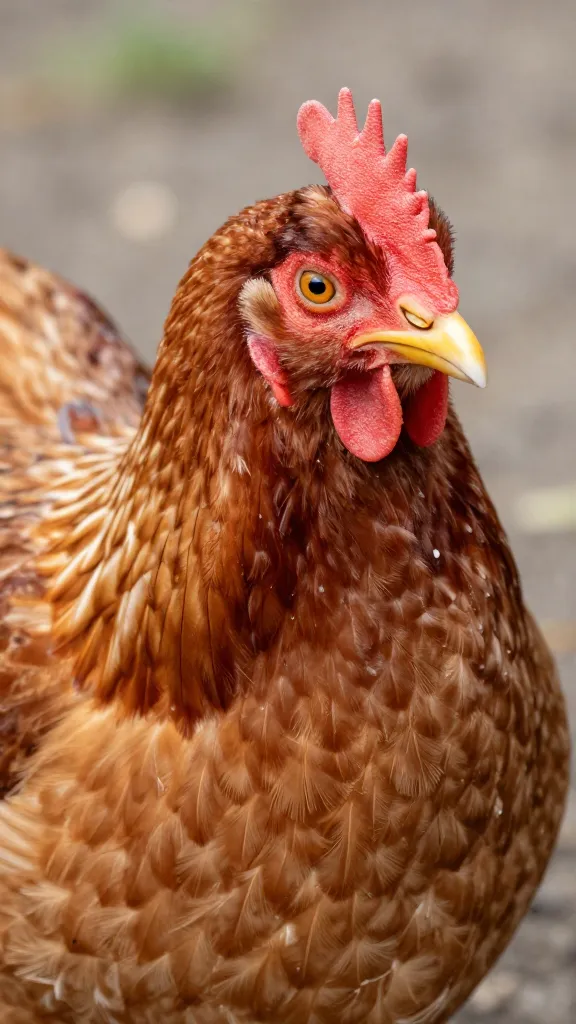
Chickens are endotherms but lose heat rapidly from bare parts (comb, wattles, shanks) and any spot where feathers are flattened by contact. In cold air, hens fluff their contour feathers to trap insulating air; when they press together, they reduce exposed surface area and create a pocket of warmer, more humid air. The birds at the center benefit most; edge birds trade warmth for vigilance and quick escape routes. This is the same principle as roosting together on a perch, but a floor pile has more contact points and less convective heat loss to moving air.
Why Chickens Choose a Pile Instead of the Roost
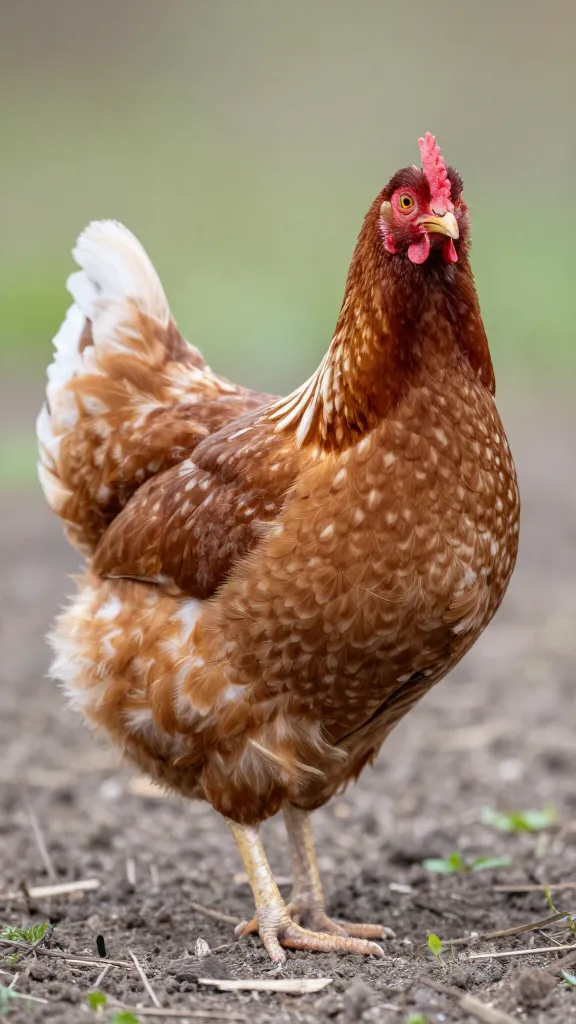
Most birds prefer to roost on a perch, even in winter, because it keeps feet off cold ground and predators at bay. When they pile, it’s usually because one of three factors tips the scale:
- Temperature and drafts: A cold, moving airstream across the perch pushes birds to the lee side or down to the floor where airflow is calmer. Chickens tolerate dry cold better than damp drafts.
- Perch discomfort: Narrow, round, or cold-conductive roosts (metal, thin dowels) force foot flexors to grip and chill toes. A 2×3 or 2×4 with the wide side up lets feet rest flat and be fully covered by belly feathers.
- Social dynamics: Low-ranking birds avoid a crowded top bar and form a sub-group pile on the floor. One pushy hen can displace several, and they’ll default to safety-in-numbers rather than roost alone in the open.
In mixed flocks, juveniles often start the habit: they haven’t learned the roosting routine or they’re excluded, so they cluster low and pull adults with them when temperatures dip.
Chickens and Moisture: Warmth Has a Cost
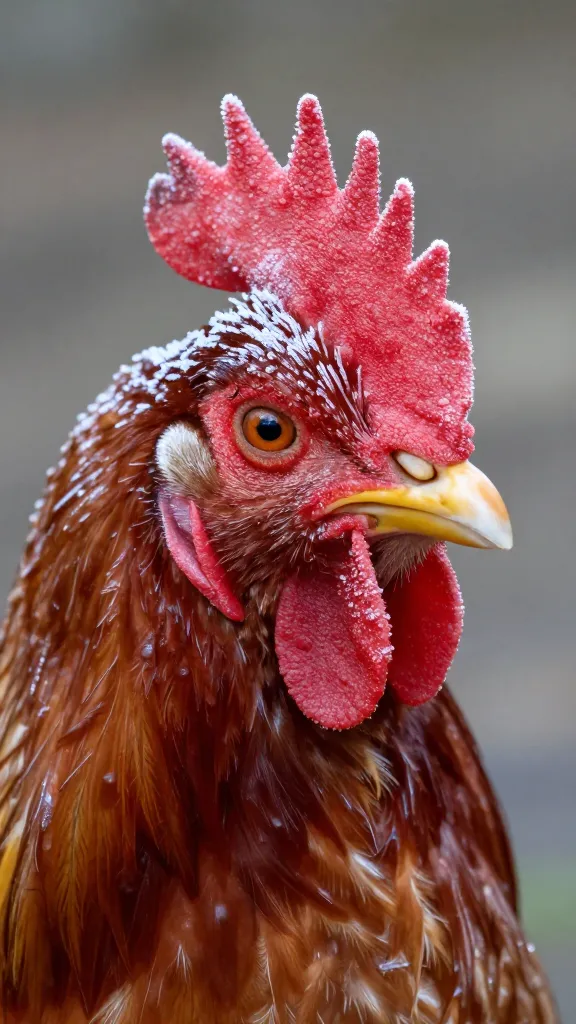
A pile feels warm, but it also raises local humidity. Exhaled moisture and the evaporation of snow-melt on feathers condense on cold combs and on the coop’s cold surfaces. That combination — cold plus wet — is what sets up frostbite, not low temperature alone. A coop that’s tight for drafts but well ventilated for moisture is the critical line: high openings or ridge vents move damp air out without chilling birds on the perch. If your windows fog or you smell ammonia in the morning, ventilation is insufficient regardless of the thermostat.
Is Piling Normal, and When Is It a Problem?
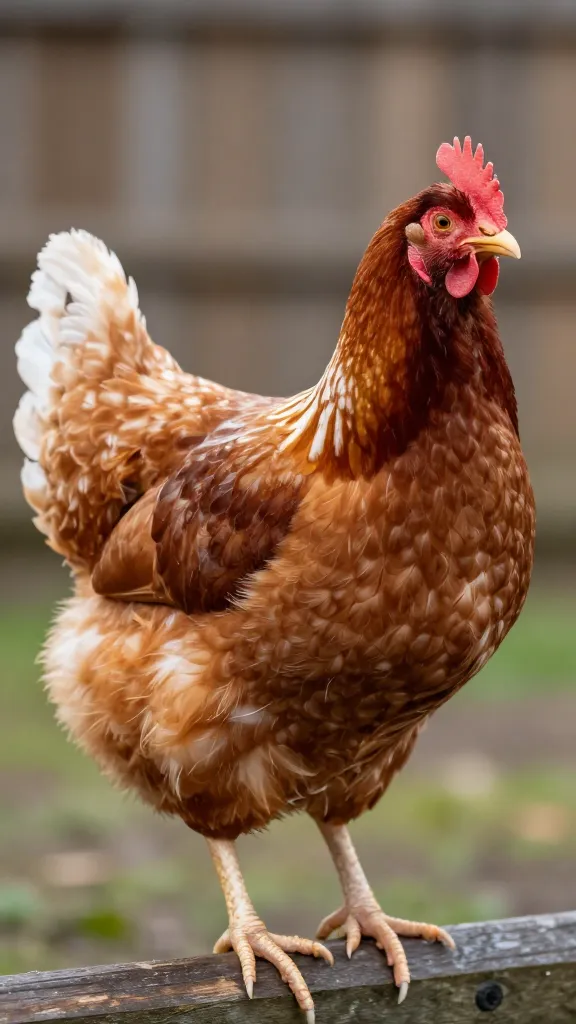
Moderate piling on very cold nights is a normal choice. Birds may still perch but sit shoulder-to-shoulder, or a small cluster may form on a wide platform. Red flags are about pattern, injury, and panic more than about the pile itself:
- Nightly floor pile in mild weather: Suggests perch design or social exclusion, not temperature.
- Trampling or smothering: Rare but real if a predator startles the flock and they surge into a corner. Look for bent feathers, bruising, or birds emerging gasping.
- Wet litter under the pile: Moisture wicks into feathers overnight and chills birds by morning; it also concentrates feces in one spot, raising ammonia.
- External parasites: Lice/mites make perching uncomfortable; infested birds choose the floor and huddle. Check the vent, under wings, and the base of tail feathers.
If you see these, address setup first, not the birds’ decision-making. Shoving a pile apart with your boot fixes nothing by morning and teaches them only that you are large and unhelpful.
Setting the Coop for Winter Choices, Not Ultimatums
The goal is to make the warm choice also the safe choice. Give birds multiple good options and they’ll sort themselves predictably.
- Roosts: 8-10 in of linear space per bird, same height bars to reduce status bottlenecks, 2×3 or 2×4 wide-side-up wood. Place 12-18 in from walls so tails clear and drafts don’t knife across backs.
- Wind management: Block direct drafts at roost height with solid walls or baffles, keep high ventilation open. Avoid plastic-wrapping the coop tight; you’re solving for dry, not sealed.
- Platforms and ladders: A wide roosting shelf lets birds crowd without falling and keeps manure contained on a board you can scrape.
- Litter and corners: Keep floor dry and level. Round off tight corners with a low board so a panic surge can’t pin the lowest hen. In very cold regions, a low roosting platform above the floor (8-12 in) can capture the best of both — perch feel with pile warmth.
- Light and routine: Gentle evening light (15-20 minutes before dark) helps late-learners find the perch. Darkness on the floor, light at the roost encourages the right direction.
My own flock taught me that raising the lowest bar just 6 in and moving it out of a draft changed a nightly floor huddle into orderly shoulder-to-shoulder perching within two nights.
Why Piles Form in Some Flocks and Not Others
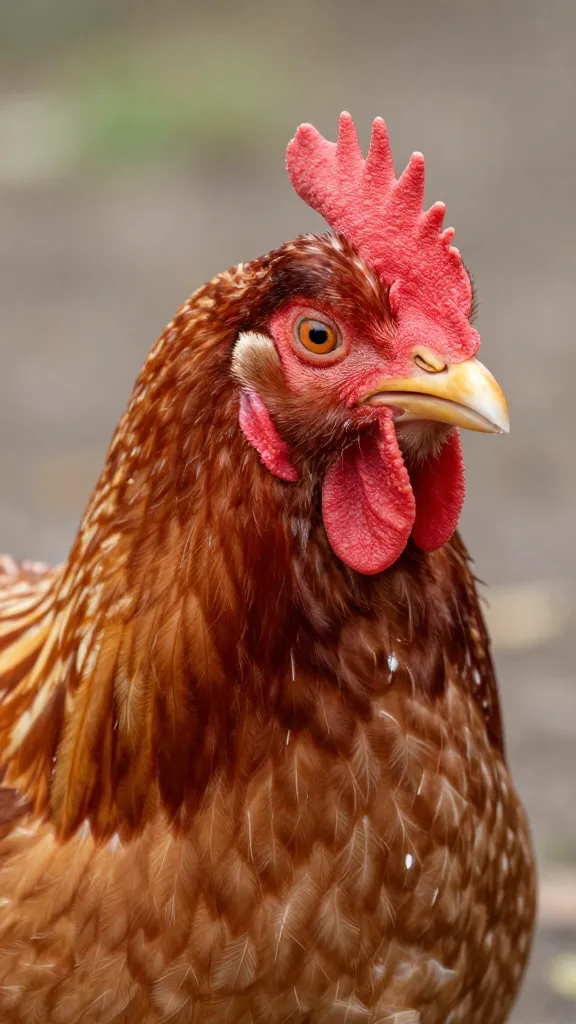
Two flocks in the same weather can behave differently because the behavior hinges on group composition and experience. Heavier breeds with dense plumage (Cochins, Orpingtons) tolerate cold and may still crowd for comfort; light Mediterranean breeds protect large combs and favor leeward spots by instinct. Younger birds mimic older ones: if the matriarch chooses the bar, the bar fills; if she claims a corner, the corner becomes canonical winter “roost.” A single rooster can reduce milling at lockup by gathering hens to a perch, or, if overzealous, he can churn birds off the bar and seed a floor pile. Behavior is plastic because the costs and benefits change nightly with wind, damp, and who got shoved by whom an hour earlier.
When to Intervene — and How
The firm opinion here: don’t fight the pile; fix the conditions that make the pile the only good option. Intervene when birds are at risk of frostbite, smothering, or chronic damp. Practical steps that work without rehoming or major rebuilds:
- Improve air without drafts: Open a high vent, close a crack at perch height. Aim for dry breath not ruffled feathers.
- Make the perch the best seat: Widen it, de-ice it, and ensure it’s the warmest-feeling spot by blocking the windward side.
- Break the corner magnet: Install a 45° corner board so bodies can’t wedge; place a low roosting rail there instead.
- Group training: For a week, place the lowest few birds on the perch at dusk. They learn quickly, and the rest follow.
- Health check: Treat mites if present, trim overlong nails that make gripping painful, and manage weight so keel and footpads bear evenly.
Heat is rarely required for healthy, acclimated adult hens; if used, it must be safe, stable, and not create a dangerous warm-cold gradient that strands birds away from heat on power loss.
Frequently Asked Questions

Is it bad if chickens sleep in a pile on the floor?
Not automatically. If the coop is dry, well ventilated, and the pile isn’t caused by lack of roost space or parasites, an occasional cold-night huddle is fine. Correct it if you see damp litter, frostbite, or birds consistently excluded from perches.
Why do chickens pile in one corner instead of using the roost?
That corner is usually the calmest air and the most defensible spot. It can also be a learned habit reinforced by a dominant bird. Reduce drafts at the roost, round off that corner, and offer equal-height perches to spread birds out.
Do chickens sleep in a pile in winter because they’re cold or scared?
Both can trigger it. Cold and drafts push them together for heat; a predator event or new coop can create a “safety heap.” Solve for comfort first, then for confidence by keeping lockup calm and lighting consistent.
Should I move piled chickens onto the roost at night?
You can gently place a few low-ranking birds on the perch for several evenings to reset the routine. Do it at true dark when they’re calm, and make sure the perch is comfortable so the lesson sticks.
How do I prevent smothering if my flock piles during a scare?
Break tight corners with a diagonal board, keep floor clear of clutter they can wedge under, and provide multiple escape paths. Secure the coop against night predators so panics are rare in the first place.
Will adding heat stop chickens from piling?
Sometimes, but it can raise humidity and frostbite risk if ventilation is poor. Better to make perches comfortable and the air dry; use supplemental heat only if birds are very young, ill, or in extreme cold snaps with responsible safeguards.
Watch the Choices They Make
On the next cold night, notice not just the pile but where it forms relative to the wind and the highest roost. Pay attention to which hen chooses first — you’ll see warmth, rank, and habit braid together into a decision that makes sense once you account for the air and the wood under their feet.
— keep watching. They’re never boring.