Deep Litter Method — The Full Guide
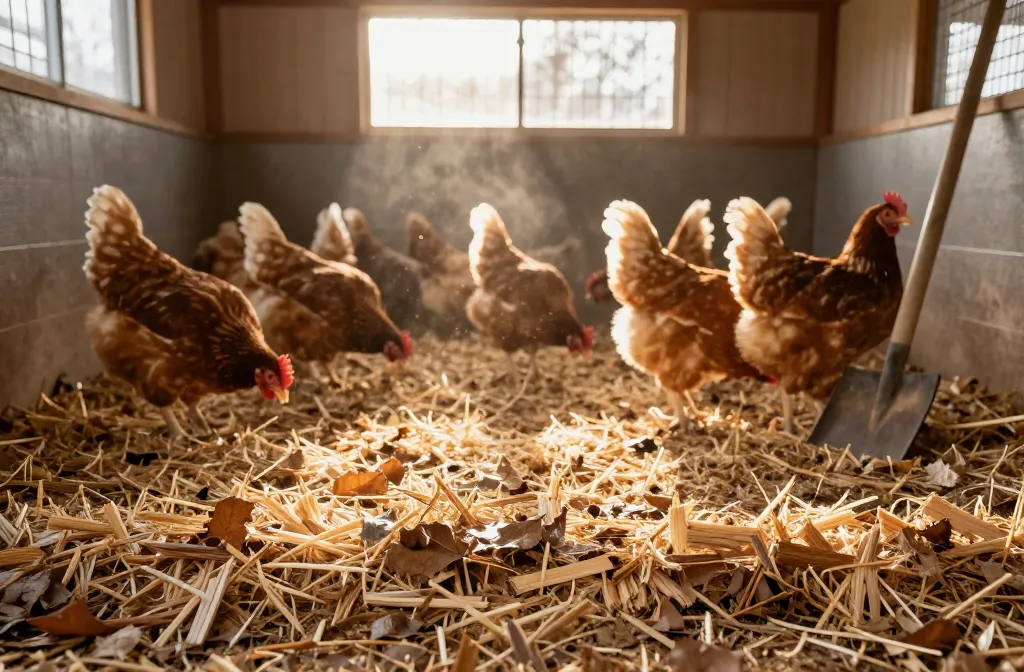
You open the coop on a 20°F morning and it smells like forest floor, not ammonia; the floor is springy under your boots, not frozen. That is the deep litter method working, and this guide gives you the numbers, the materials, and the maintenance schedule to run it cleanly through all four seasons. Expect a carbon-first recipe, 6-12 inches of layered bedding, and a once-a-year cleanout that feeds a compost pile. Miss the ratios or the airflow and you get a wet mat and frostbite risk — done properly, you get dry feet, steady winter microbes, and less work.
The Deep Litter Method: What It Is and What It Isn’t
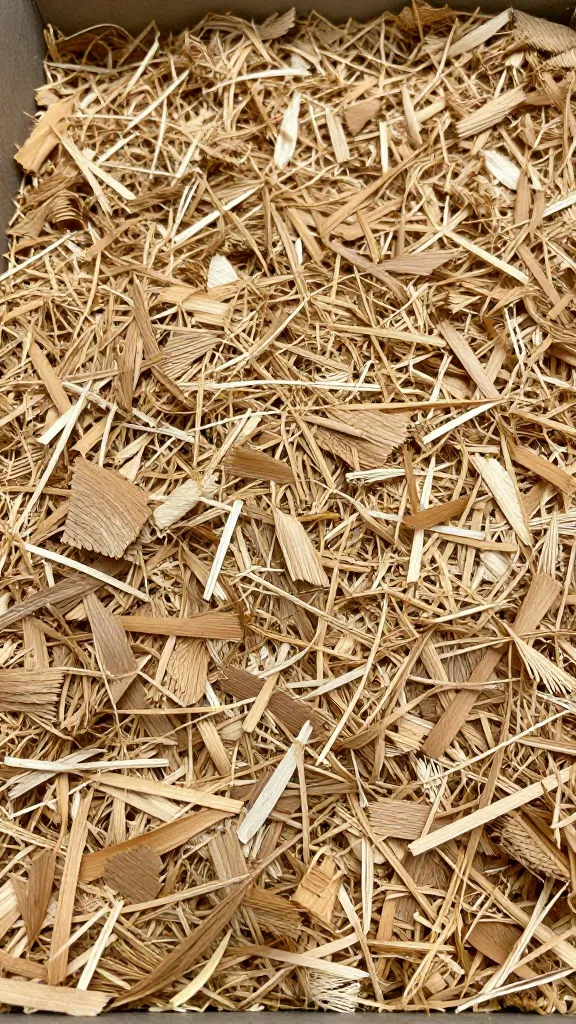
Deep litter is a managed composting floor inside the coop: a 6-12 inch bed of high-carbon materials (shavings, chopped straw, leaves) that you top up and stir instead of removing weekly. Microbes break down droppings in place, locking up nitrogen and moisture, and generating a small amount of heat. It is not “don’t clean”; it is active management: add carbon, control moisture, and keep oxygen moving with ventilation and occasional fork work. In the run, deep litter only works if drainage is excellent; otherwise, use a buried predator apron and keep bulk litter inside where you can control water. If there is coccidiosis or a respiratory outbreak, pause deep litter and remove soiled material promptly while you consult an avian vet.
Dimensions, Ventilation, and Stocking Density
Floor depth: build to 6 inches minimum, then allow room to climb to 10-12 inches over winter. A lip of 6-8 inches at the door keeps litter contained. Ventilation: provide 1 square foot of permanent, predator-proof vent per 10 square feet of floor area, high on the walls above roost height, screened with 1/2-inch, 19-gauge galvanized hardware cloth. Stocking density: hold at 4 square feet per standard hen inside the coop (more for heavy breeds), because crowding overloads the carbon and spikes ammonia. Roosts must sit at least 12 inches above the settled litter so birds don’t sleep in damp air; 18-24 inches is cleaner long term.
Materials That Work (and the Ones That Fail)
Use carbon-rich, absorbent, chunky materials that hold air: kiln-dried pine shavings, chopped straw (2-4 inch pieces), shredded leaves, dry pine needles, and coarse wood chips. Keep particle sizes varied to prevent packing; think salad, not paste. Avoid cedar (aromatic oils irritate airways), sawdust and fine planer shavings (they compact and go anaerobic), and hay (too wet; mats and molds). Start with 3-4 inches of pine shavings, then layer 2 inches of a second texture (chopped straw or leaves). Keep a stored dry bale or bag on hand; you’ll add 1-2 inches at a time after heavy soiling or a wet spell.
Moisture and Ammonia: The Two Numbers You Manage
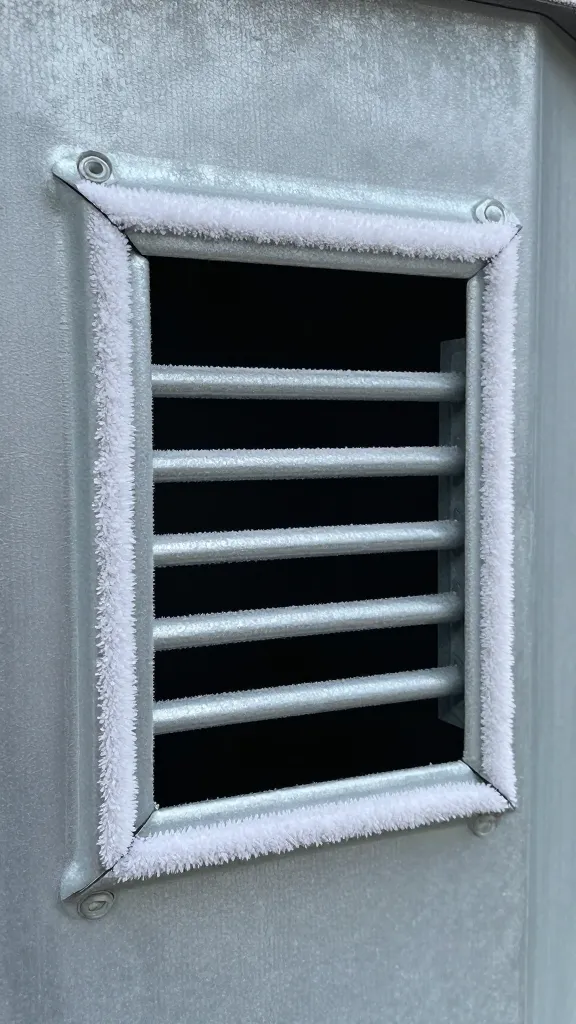
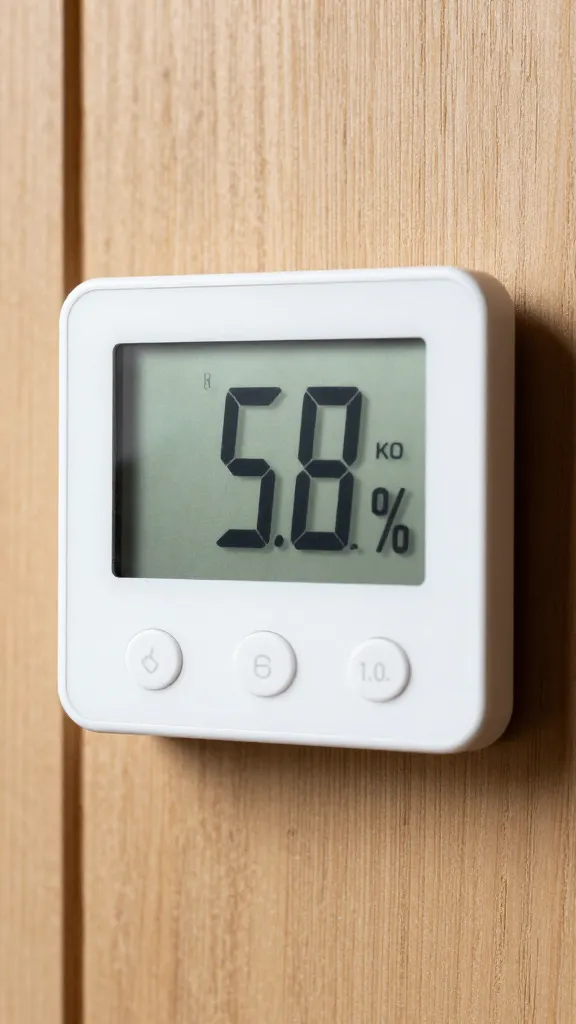
Moisture target: bedding should feel like a wrung-out sponge — around 35-50% moisture by feel. If your palm gets damp when you squeeze a handful, add 1-2 inches of dry carbon and mix. Ammonia threshold: any smell at head height is a fail; at 25 ppm chickens sustain respiratory damage, and your nose will pick it up well before that. If you smell ammonia, take three steps that same day: add 2 inches of dry bedding across the whole floor, stir the top 3-4 inches with a fork to fluff, and open more vent area or crack a safe window while keeping drafts off roosting height.
Where Can You Research Deep Litter Ammonia Safety?
| Source | What It Says |
|---|---|
| Mississippi State University Extension — Poultry Litter Management | A university extension publication on managing poultry litter to control moisture and ammonia buildup, the same mechanics that determine whether deep litter works or fails in a backyard coop. |
| UGA Poultry Housing Tips — Limiting Ammonia Generation During Brooding | University of Georgia poultry engineering research noting that ammonia’s harmful effects on respiratory tissue begin below the concentration a human nose can detect, around 25 to 30 ppm. |
| Engormix — Poultry Litter and Ammonia Control | An industry technical overview of deep litter ammonia dynamics, covering how nitrogen from manure overwhelms available carbon and what ventilation and litter amendments do to control it. |
How to Start Deep Litter in an Existing Coop
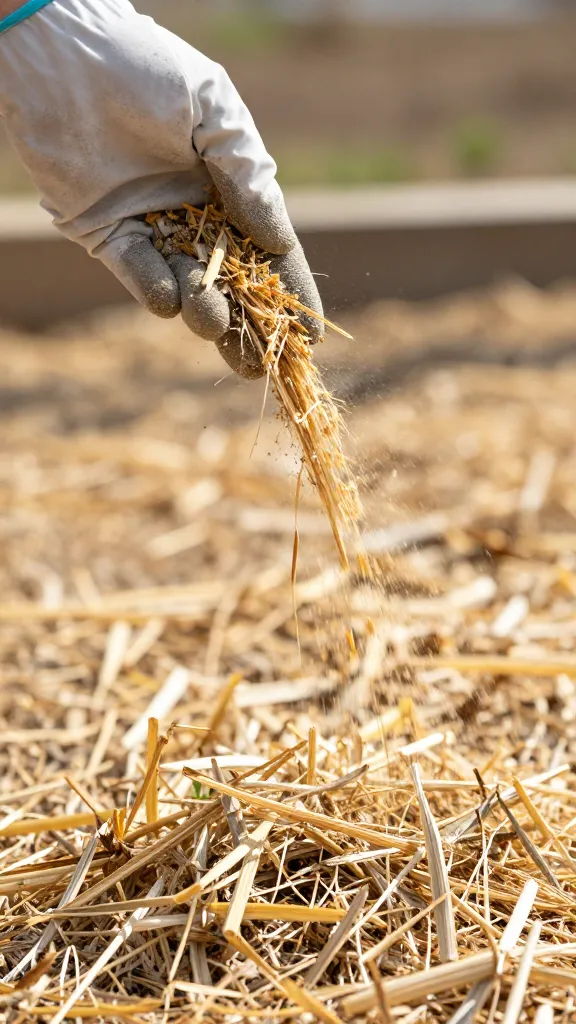
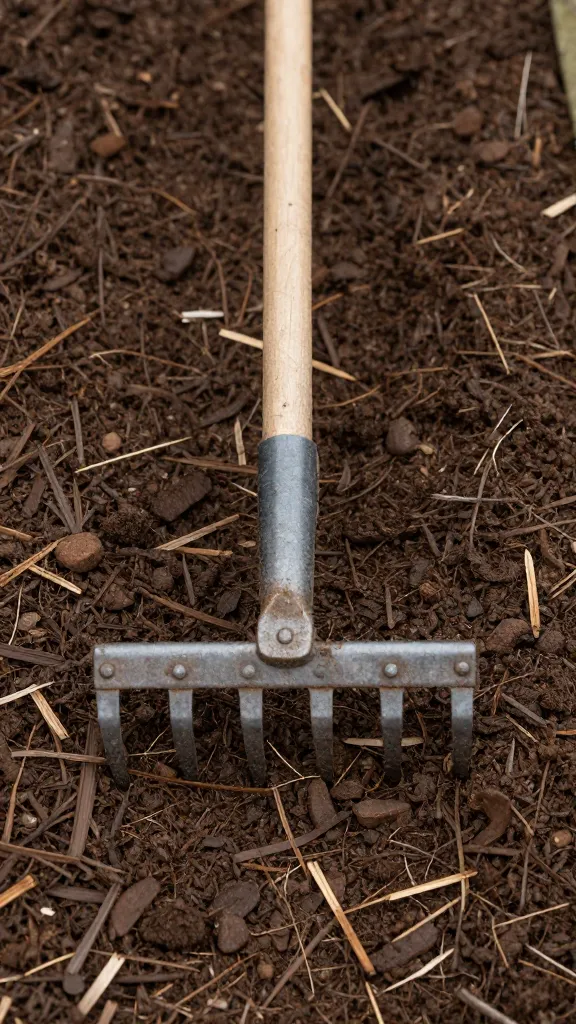
If your floor is already bare or thinly bedded, remove wet spots, then lay 3-4 inches of pine shavings as a base. Add 2 inches of chopped straw or dry leaves to introduce texture. In the first month, add 1 inch of fresh carbon weekly while droppings build the nitrogen side; after that, add as needed by smell and feel. Use a garden fork to lightly turn only the top 3-4 inches weekly — do not dig to the floor or you’ll drag wet material up and chill the coop. In summer, turn less and ventilate more; in winter, add more carbon and turn just enough to keep the surface springy.
Managing Through Winter and Mud Season
Winter: expect to add 2 inches of carbon every 2-3 weeks as birds spend more time inside. Keep vents open even at 0°F; warm, moist air must leave or frostbite will find combs. If snow blows in, staple a removable baffle of clear polycarbonate or canvas outside the vent, keeping the hardware cloth in place. Mud season: never add wet leaves or damp straw — spread them to dry under cover first. Place a 24×36-inch boot mat or rubber stall mat just inside the pop door to catch water off feet and protect litter at the traffic lane.
Annual Cleanout and Safe Composting
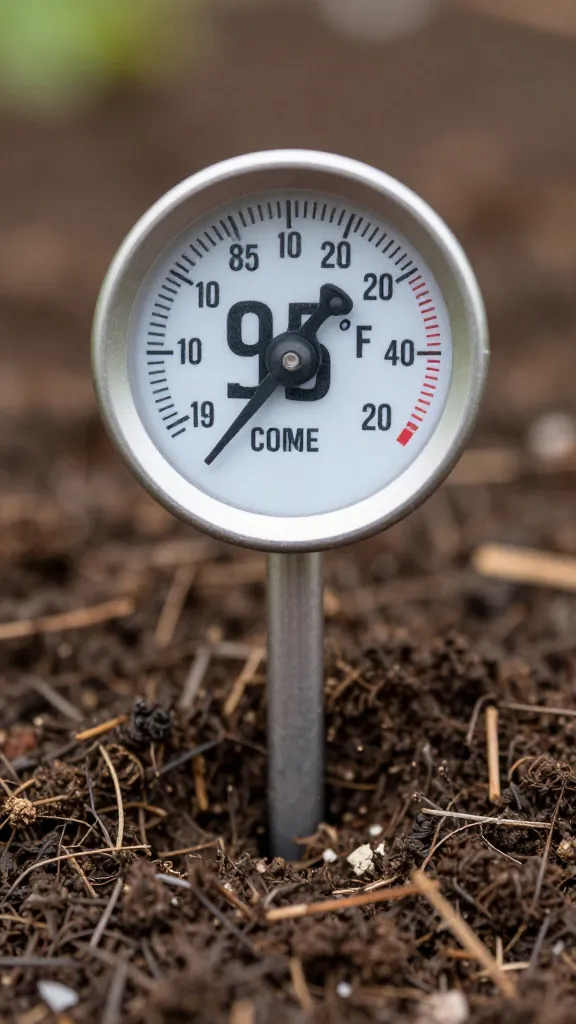
Plan one full cleanout every 12 months, ideally in late spring when outside compost heats well. Shovel the litter into a compost bin at least 3x3x3 feet for thermal mass, then layer 3-4 inches of high-nitrogen greens (grass clippings, garden trimmings) between 6 inches of coop litter for a hot pile. Let it reach 130-150°F for 3 consecutive days to reduce pathogens, turning every 7-10 days. Finished compost is dark, crumbly, and earthy-smelling; cure at least 6-8 weeks before using around edible plants. I once skipped the curing stage and learned how enthusiastic pumpkins can be.
Deep Litter in the Run: When to Use It and When Not To

Use deep litter in the run only if you have excellent drainage, a roof, and wind exposure to keep it dry; aim for 4-6 inches of coarse wood chips as the base, topped with leaves and garden browns. In uncovered, wet runs, switch to a 2-3 inch rotating layer of chips you rake out monthly rather than building depth. If your soil holds water, install a French drain along the uphill side and raise grade with 3-4 inches of crushed stone topped by chips before attempting deep litter outside.
Health Safeguards and When to Reset
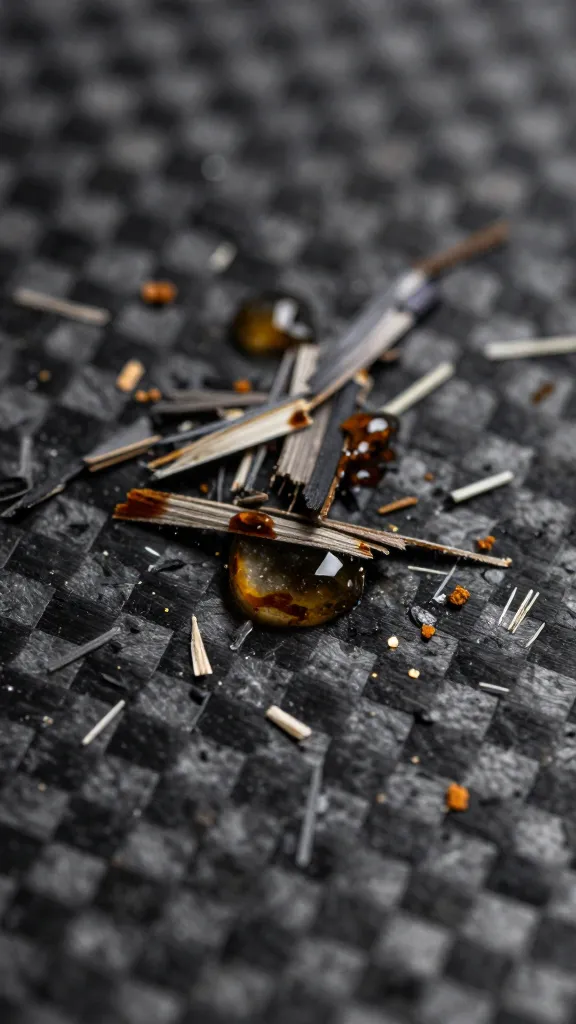
Any sign of wet caking, persistent ammonia, or respiratory irritation means reset: remove the top 4-6 inches to compost, add 3-4 inches of fresh dry bedding, and open more ventilation. During a coccidiosis event, remove visibly soiled areas daily and keep the surface dry while you coordinate with an avian vet for diagnosis and treatment; deep litter can resume after birds recover and you’ve run a dry, clean surface for 2-3 weeks. Always keep feed in covered feeders, waterers on a 2-4 inch riser or outside the coop, and fix roof or wall leaks within 24 hours — water is the failure point.
The One Thing People Get Wrong
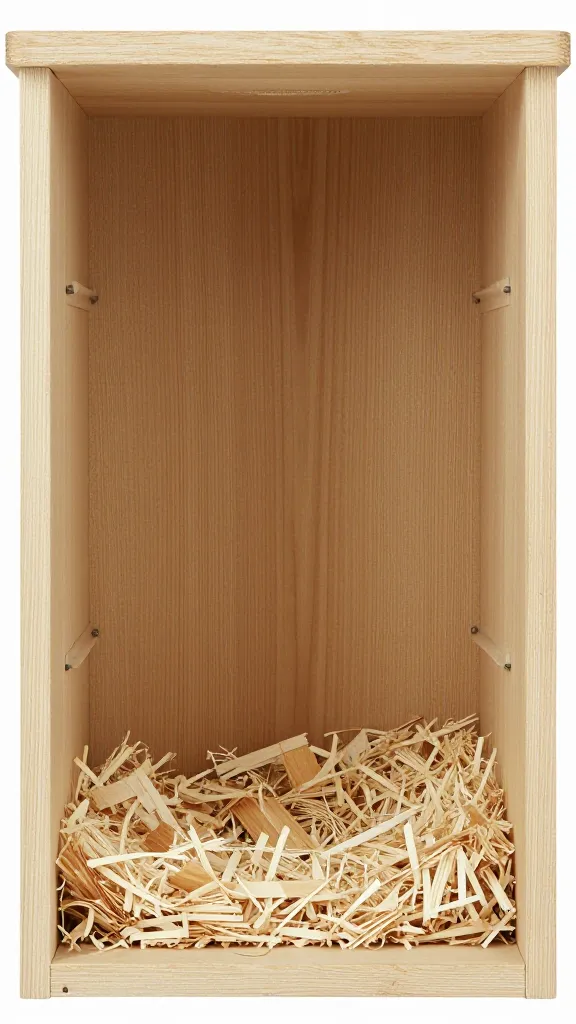
They treat deep litter like a smell sponge instead of a living system. If you do not pair dry carbon and constant ventilation, you are storing manure, not composting it; the difference shows up in frostbitten combs and coughing hens. Add carbon before you smell ammonia, and keep air moving above roost height year-round.
Frequently Asked Questions
How deep should deep litter be in a chicken coop?
Keep the bed at 6-12 inches inside the coop. Six inches gives you enough carbon and air space to buffer droppings; building to 10-12 inches through winter improves insulation and moisture control. If headroom is tight, use 6-8 inches and add carbon more often.
How often do you turn or stir deep litter?
Stir the top 3-4 inches weekly and after any carbon addition. This keeps oxygen in the active layer without dragging wet material to the surface. In cold snaps, a light rake every 10-14 days is fine if the surface stays dry and springy.
Can I use deep litter in a small backyard coop?
Yes, as long as you have at least 12 inches of headroom above a 6-inch bed and proper vents (about 1 sq ft per 10 sq ft of floor). Smaller coops saturate faster, so plan to add 1 inch of carbon weekly and watch ammonia closely. If you can’t increase ventilation, reduce flock size or skip deep litter for regular cleanouts.
What’s the best bedding for the deep litter method?
A mix works best: start with 3-4 inches of pine shavings, then layer 2 inches of chopped straw or dry leaves. The blend balances absorbency and airflow so the surface doesn’t mat. Avoid sawdust and hay; they compact and trap moisture.
When do you do a full cleanout with deep litter?
Once every 12 months is the working interval in a dry, well-ventilated coop. An earlier reset is needed if you smell ammonia despite fresh carbon or see wet caking across more than 25% of the floor. Time the cleanout for late spring so the compost heats to 130-150°F reliably.
Start With Carbon and Air
Depth between 6 and 12 inches, varied dry carbon on top, and real ventilation above roost height — that is the whole frame. Tonight, add 2 inches of dry shavings across the floor, rake the top 3 inches to fluff, and crack or add a high vent screened in 1/2-inch, 19-gauge hardware cloth.
— do it right once.