Best Chicken Breeds for Kids & Families
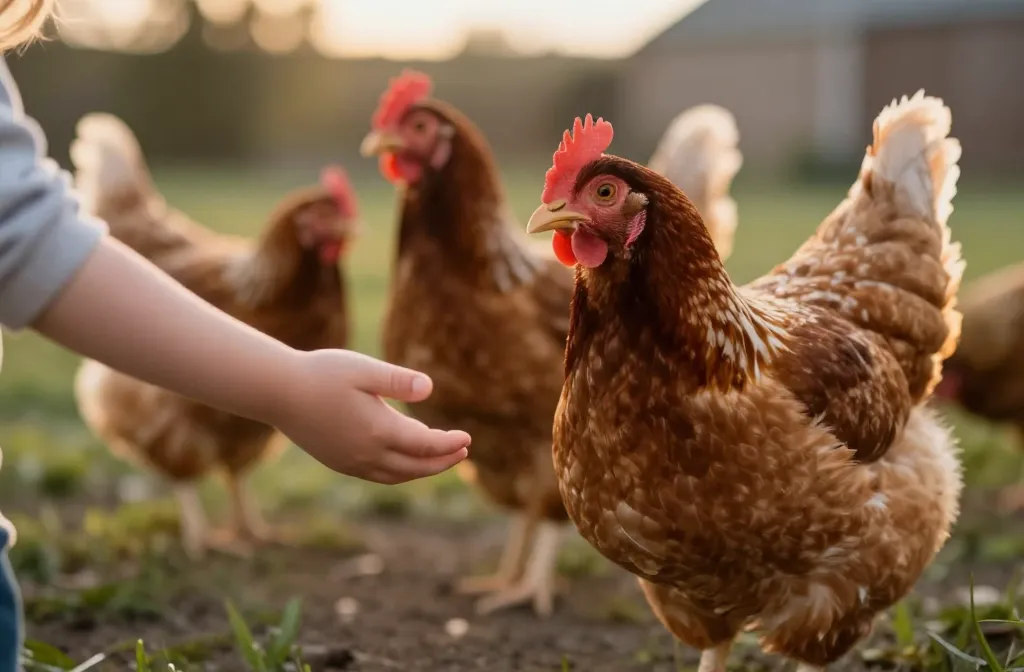
A small hand reaches out, and the hen decides: step closer, or step away. The best chicken breeds for kids & families are the ones that choose “closer” more often — steady, curious, and forgiving when a toddler moves too fast. Which breeds actually behave like that, and why do some lines within a breed nail it while others don’t? Here’s what temperament really rests on, plus the short list of breeds that keepers return to when they want gentleness without sacrificing eggs or hardiness.
Start with Temperament: What Makes a Chicken “Kid-Friendly”
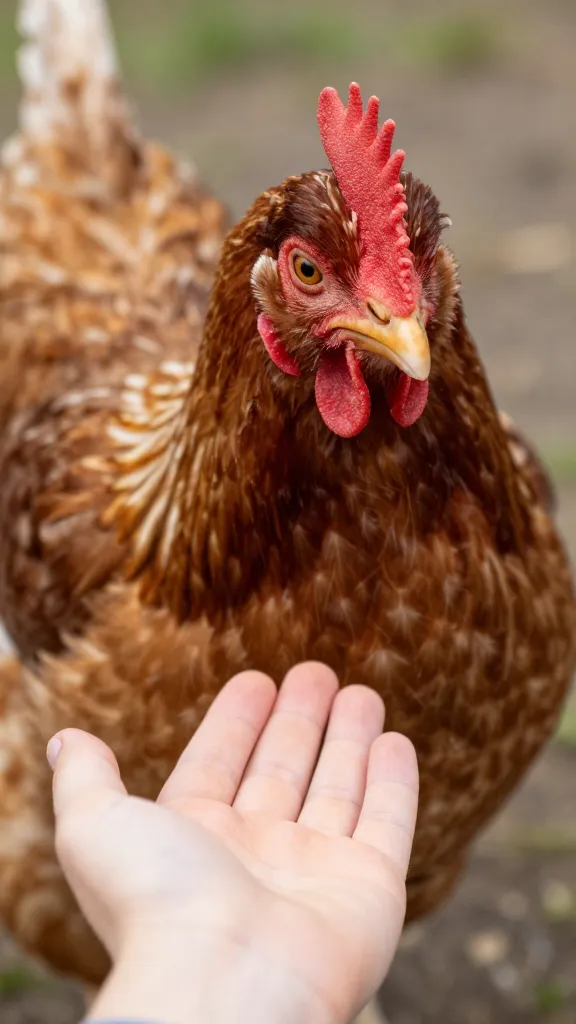
“Good with kids” is not a single trait. It’s a cluster: low startle response, calm baseline arousal, and tolerance for proximity and handling. You see it in the approach test — does a bird walk toward an open palm, sidestep, or bolt? Selection history matters: breeds developed for smallholdings where daily handling was normal tend to be steadier; game-derived or high-strung production hybrids skew quicker and flightier. Individual variation is real, but when a breed’s average shifts toward calm, your odds improve.
Environment tunes temperament you already have. A quiet run, consistent routines, and positive early handling (treats from a seated child, short sessions, hands kept low) move birds along the same axis as genetics. What you cannot train out is a hair-trigger alarm system — flightiness costs energy, and some breeds were built to spend it.
Breeds That Consistently Meet Kids Where They Are
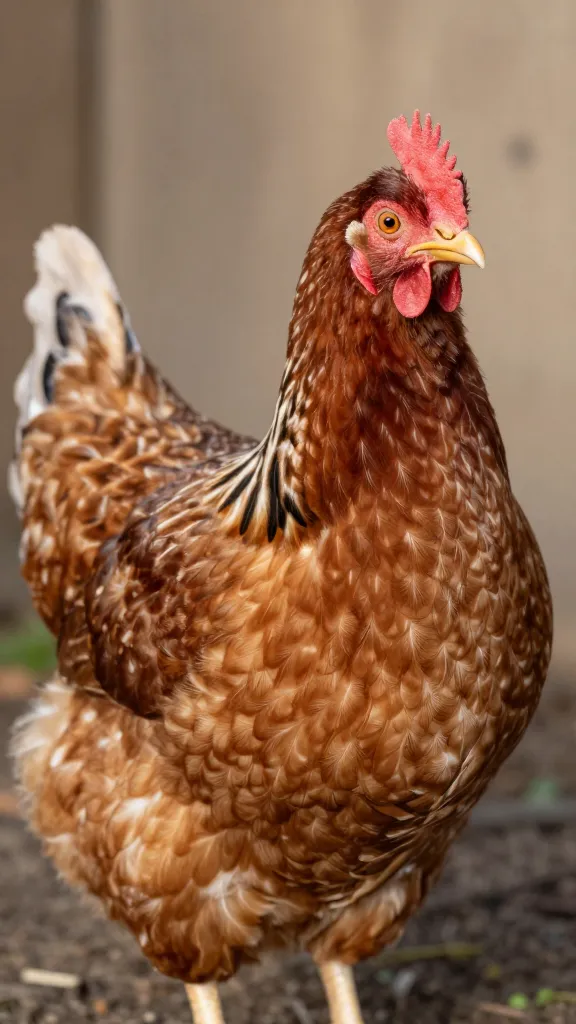
If you want a flock that greets rather than dodges, these are the usual standouts. They differ in size, eggs, and climate tolerance, but share the same behavioral center: steady and social.
- Orpingtons: Large, slow to startle, and typically easy to handle. Good layers of brown eggs, excellent cold hardiness due to body mass and feathering. They can trend broody; plan for clutch management.
- Australorps: Calm without being sluggish, with strong laying (brown eggs) and good cold tolerance. Often curious enough to approach children after a few calm sessions.
- Plymouth Rocks (Barred Rocks): Solid, people-oriented farm birds with balanced energy. Hardy across seasons and usually unfazed by yard noise.
- Wyandottes: Moderate size, rose comb (less frostbite risk), and a composed demeanor. Some lines are more independent; look for breeder notes on temperament.
- Cochins: Feathered legs, big bodies, famously gentle. Laying is modest; excellent for families who value interaction over egg numbers.
- Brahmas: Large, stately, tolerant. Good winter layers, prefer roomy accommodations due to size.
- Silkies: Tiny, soft, and often exceptionally tame. Not cold-hardy without dry shelter and care; layers are light. Ideal if the goal is handling and small hands helping, not egg baskets.
For most young families, a heavy, calm dual-purpose breed beats an ornamental or high-output hybrid — the bird that doesn’t spook is the bird a child actually learns from.
Why Size and Build Matter for Kids
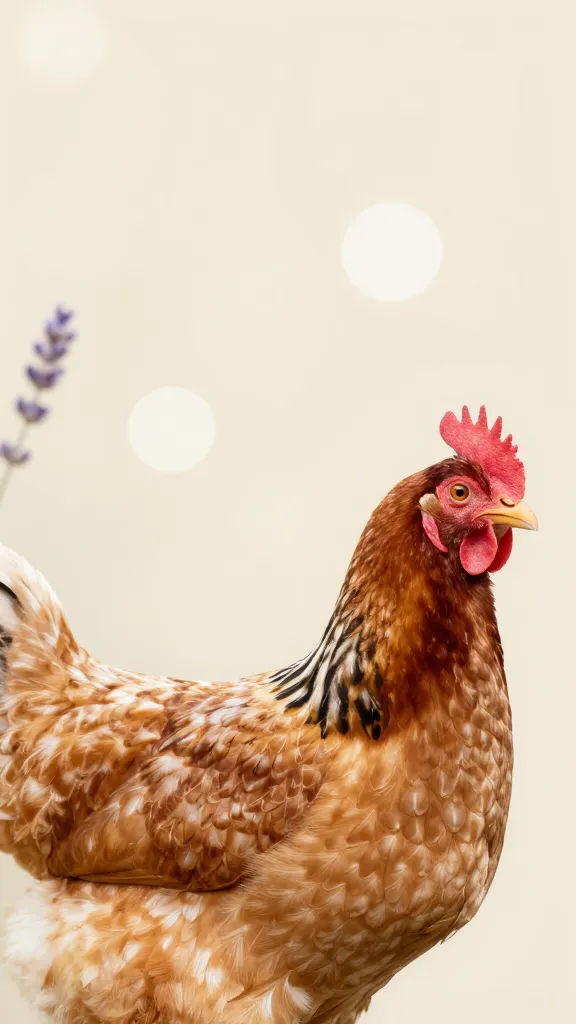
Body size and feathering change how a bird experiences a child’s movement. Heavier birds (Orpingtons, Brahmas) have a lower center of gravity and a lower aerobic ceiling, which often maps to a slower flight response. The downsides are real: big birds need more perch space (10-12 in per bird), broader ramps, and care with summer heat. Light-bodied breeds sprint and launch more readily; with kids, that can turn a meet-and-greet into a blur of wings.
Comb type matters in cold regions. Single combs are more prone to frostbite; rose or pea combs (Wyandotte, Brahma, Ameraucana) fare better. Foot feathering (Cochin, Brahma) is endearing but requires consistently dry litter to prevent mud balls and skin issues — a maintenance tradeoff worth considering before spring puddles arrive.
Eggs, Broodiness, and the Family Calendar
Eggs are part of the promise you probably made to yourself when you picked this project. High-output layers (Australorp, Plymouth Rock) give steady baskets; ornamental and bantam breeds lay fewer. Broodiness — the hormonal drive to sit and hatch — is common in Silkies, Cochins, and Orpingtons. It’s fascinating to watch, and with children it can become a lesson in care, but it also pauses laying for weeks and requires a decision: break the brood (wire-bottom crate, shade, and time) or give her safe eggs or chicks.
Consider your family rhythm. If summer travel is non-negotiable, a notoriously broody breed adds complexity when you’re away. If you want a gentle broody to raise purchased chicks under supervision, Silkies are unmatched — and yes, a Silkie hen will mother big standard chicks just fine if introductions are careful.
Climate and Run Design Shape Behavior
Gentleness shows up when birds are comfortable. Heat-stressed heavy breeds pant, spread wings, and avoid contact; in that state they tolerate less handling. For hot regions, add deep shade, high airflow, and multiple water points; select lighter-feathered calm types like Australorps over the densest fluff breeds. Cold regions favor birds with mass and tighter combs; provide dry litter and wind breaks more than “heat.”
Run design makes kid moments safer. Think in zones: a wider gate area for greeting, a bench where a child can sit low with treats, and visual barriers (shrubs, panels) so subordinates can slip out of view. More choice equals fewer panic sprints. Keep perches and ramps stable; wobble teaches birds to avoid hands nearby.
Mixed-Age, Mixed-Breed Flocks with Children
Most families don’t start with 1 breed and stay there; they add. Mixed flocks work when sizes are roughly compatible and the calm majority sets the tone. A single flighty bird can “infect” the group with alarm calls, shifting the flock’s baseline. If you love a sprightlier breed, add them in a group of 2-3, not as a lone outlier, and let integrations happen behind a fence line for 1-2 weeks so the pecking order sorts with fewer chases.
Roosters complicate the picture. A respectful, well-raised cockerel can guard without aggression, but adolescent males test boundaries at 12-24 weeks. With kids, the welfare rule is firm: no free access to a maturing, pushy cockerel. If a male fixates on legs or shows repeated side-on postures and tidbitting at people, separate and reassess; genetics and early handling both play roles, and some birds are simply not family-safe.
Training Calm: How Kids and Birds Learn Each Other
Behavior is plastic, especially early. Use 5-minute sessions, same time daily, with a child seated and hands low. Offer small, high-value treats (corn kernels, sunflower chips) from an open palm; reward approach, not chasing. Add a simple cue — a soft “chook-chook” or a shaker — so birds learn predictability. Over 2-3 weeks, most calm breeds will move from taking treats at arm’s length to stepping onto a lap by choice.
Teach boundaries both ways. Children learn “slow, low, quiet.” Birds learn that hands don’t grab from above. If a hen signals no (head duck, side-step, soft growl), honor it. Consent is not just ethics; it’s how you build a flock that keeps choosing to come closer.
Breeds to Think Twice About for Small Kids
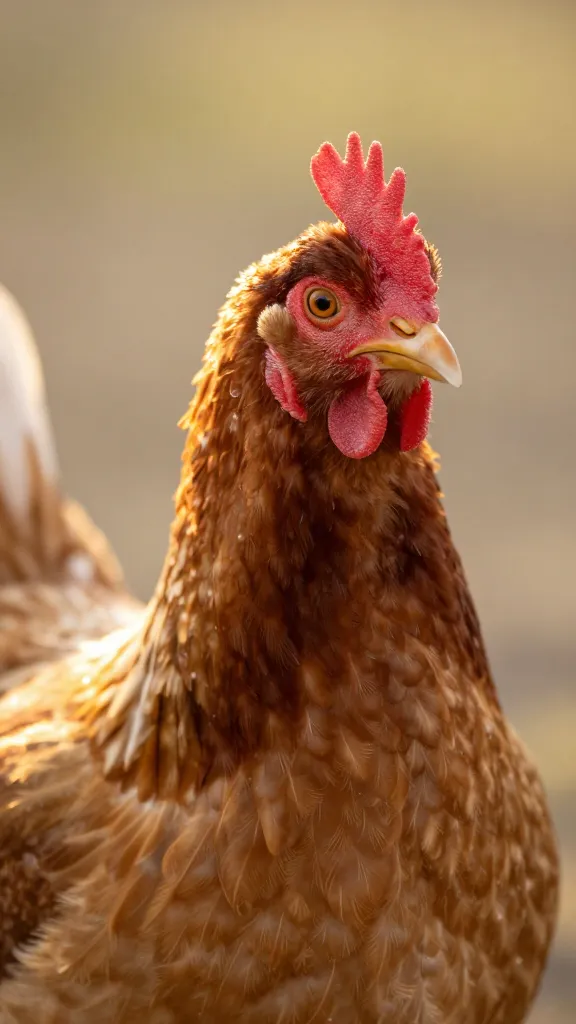
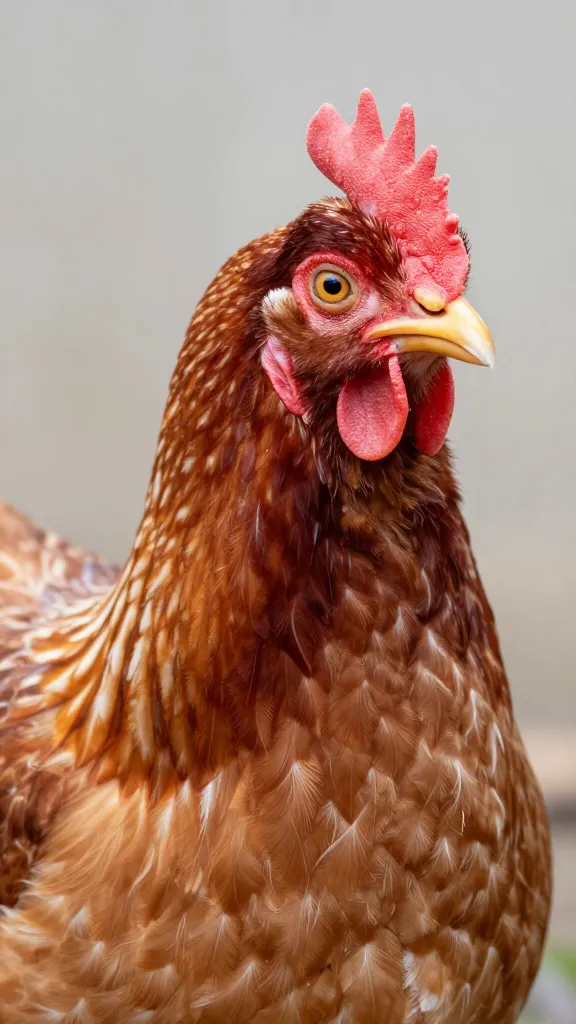
No breed is “bad,” but some are mismatched with early-childhood chaos. High-strung Mediterranean types (Leghorns, Andalusians), some game breeds, and certain red sex-link lines selected purely for output can be reactive. They excel for eggs and foraging, but in small yards with quick movements and little hands, they spend more time on alert. If you choose them, give more space, more cover, and expect less lap time.
Frequently Asked Questions
What are the best chicken breeds for kids if I also want lots of eggs?
Australorps and Plymouth Rocks are the sweet spot: calm enough for children, steady brown-egg layers, and hardy in most climates. Add an Orpington or Wyandotte if you want one extra-gentle bird, even if it lays a bit less during broody spells.
Are Silkies good family chickens?
Yes — they’re typically exceptionally gentle and easy for children to handle. Plan for lighter egg production, careful moisture management in cold or wet weather, and the likelihood of broodiness that pauses laying for weeks.
Which chicken breeds for families handle cold winters best?
Wyandottes, Australorps, Brahmas, and Orpingtons do well with dry shelter and ventilation. Favor rose or pea combs to reduce frostbite risk, give 10-12 in of perch space each, and keep litter dry rather than adding heat.
Can I keep mixed chicken breeds with kids around?
Yes, and it often works well when most birds share a calm temperament. Introduce behind a barrier for 1-2 weeks, match sizes so no one is vastly outsized, and create “getaway” cover in the run to reduce chasing during integration.
Are bantams better for children than standard breeds?
Bantams like Silkies and some Cochin lines are easier for small hands to hold, but they lay fewer and smaller eggs and need extra weather protection. Large, calm standards (Orpingtons, Brahmas) are heavier to lift but often steadier on the ground with toddlers.
Do I need a rooster in a family flock?
No. Hens lay without a rooster, and for families with small kids, a rooster adds risk during his hormonal peak at 12-24 weeks. If you keep one, select for known steady lines and supervise closely; any bird that targets people should be rehomed promptly.
You’ll Start to See the Quiet Choices
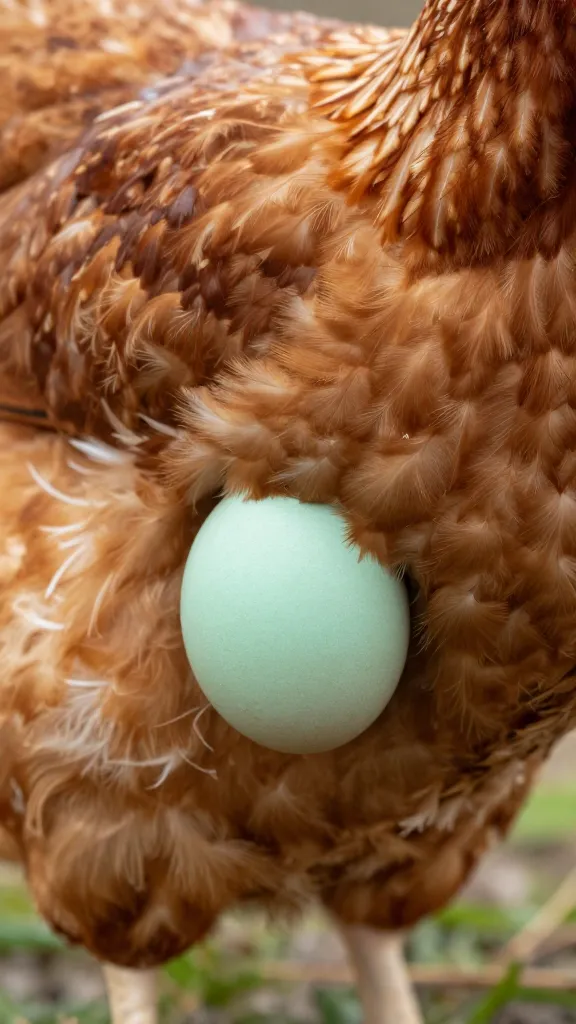
Watch who steps forward when a child sits down, who stays to preen, and who keeps an eye but doesn’t bolt — those are the temperaments your yard is shaping. With the right breeds and small, consistent rituals, you’re not just collecting eggs; you’re building a flock that volunteers to be part of your family’s daily rhythm.
— keep watching. They’re never boring.