Coyote Country Chicken Keeping
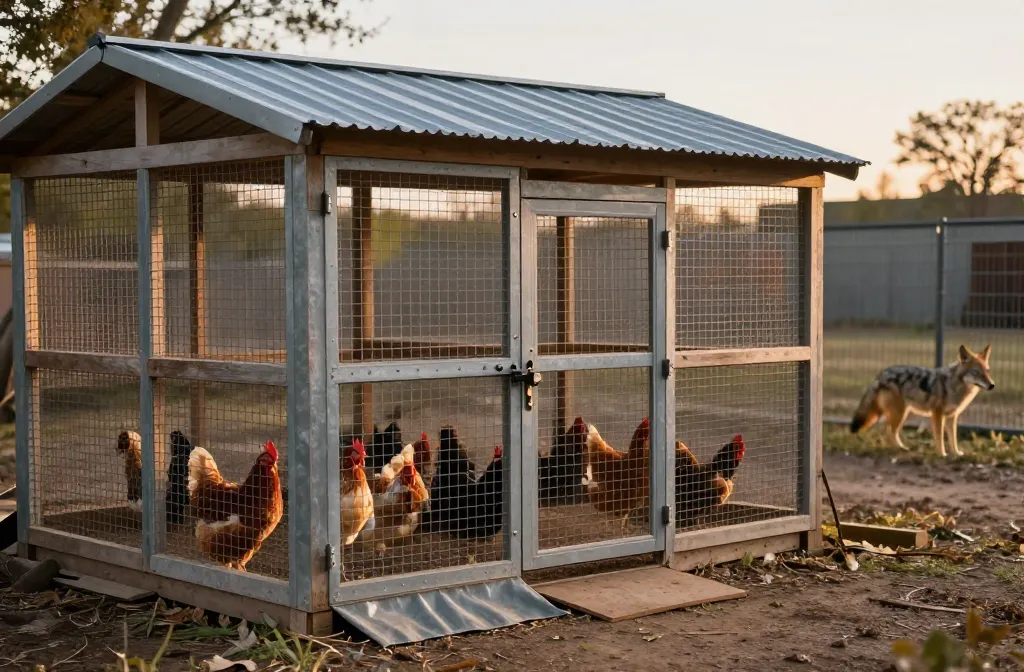
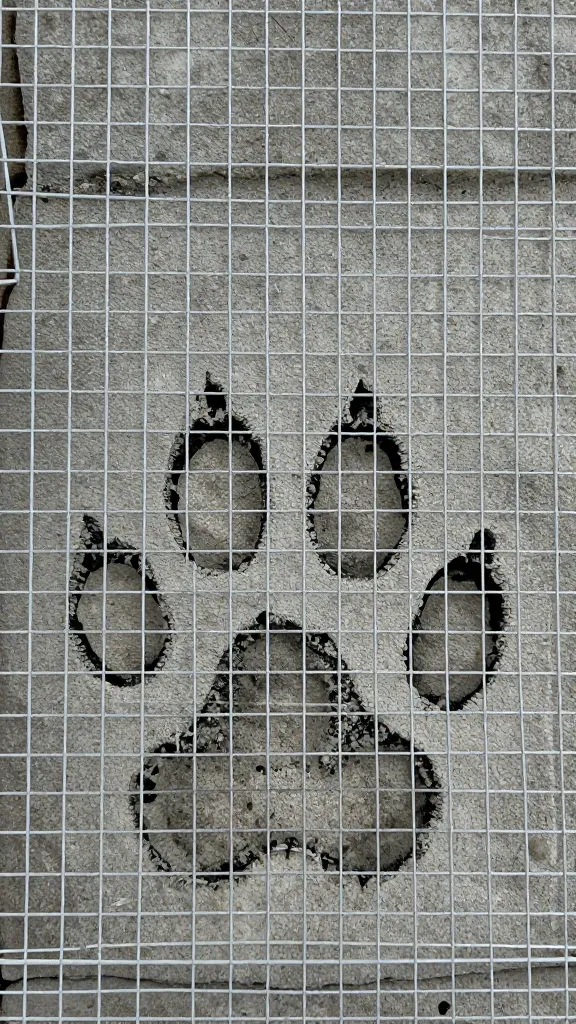
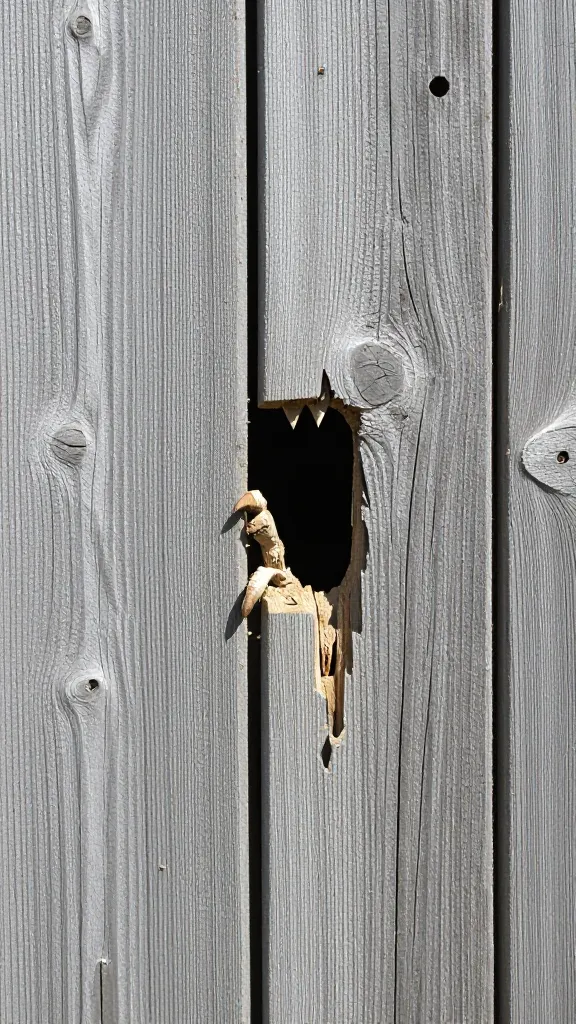
When you keep chickens in coyote country, the flock lives or dies by your barriers and your habits. Coyote country chicken keeping means no gaps larger than 1/2 inch, a dig-proof skirt, a solid roof, and doors shut every night before full dark. I have found coyote tracks against my hardware cloth and claw marks on wooden doors; the coop that held was the one I overbuilt. By the end of this guide you’ll have a clear, numbered plan to coyote-proof your coop and run, plus the daily rhythm that keeps it that way.
How Coyotes Actually Get Your Birds
The standard is simple: deny entry 24/7 and deny opportunity during daylight free-range. Coyotes take birds three ways: a fast daytime snatch from a yard without supervision, a squeeze or dig under a flimsy fence, or an after-dark breakthrough at the coop’s known weak point (usually a door, latch, or rotten edge). They jump up to 6 feet from a standstill, climb wire with toe-holds, dig under anything without a skirt, and test the same point for weeks. Chicken wire is not predator-proofing; it is a poultry partition and tears under a coyote’s bite. Build for pry, bite, dig, and jump together, not one at a time.
Coyote Country Chicken Keeping: Coop Envelope That Doesn’t Fail
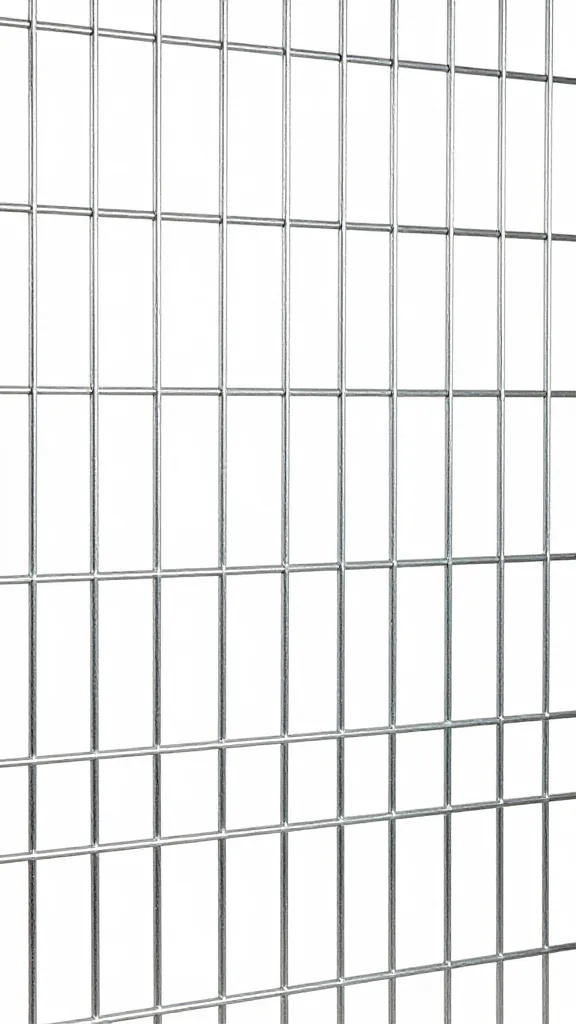
The standard for a coyote-proof coop is a rigid shell with 1/2-inch, 19-gauge galvanized hardware cloth over every opening, a solid roof, and latching doors with two-step operation. Frame with 2×4 studs at 16 inches on center so doors stay square and latches align. Skin the exterior walls with exterior-grade plywood at least 1/2 inch thick or solid boards; sheath seams land on studs, then seal with exterior caulk. Ventilation openings total at least 1 square foot per 10 square feet of floor, placed high under the roof eaves and covered inside and out with hardware cloth stapled, then screwed on with fender washers every 4 inches.
Run Walls Coyotes Can’t Beat
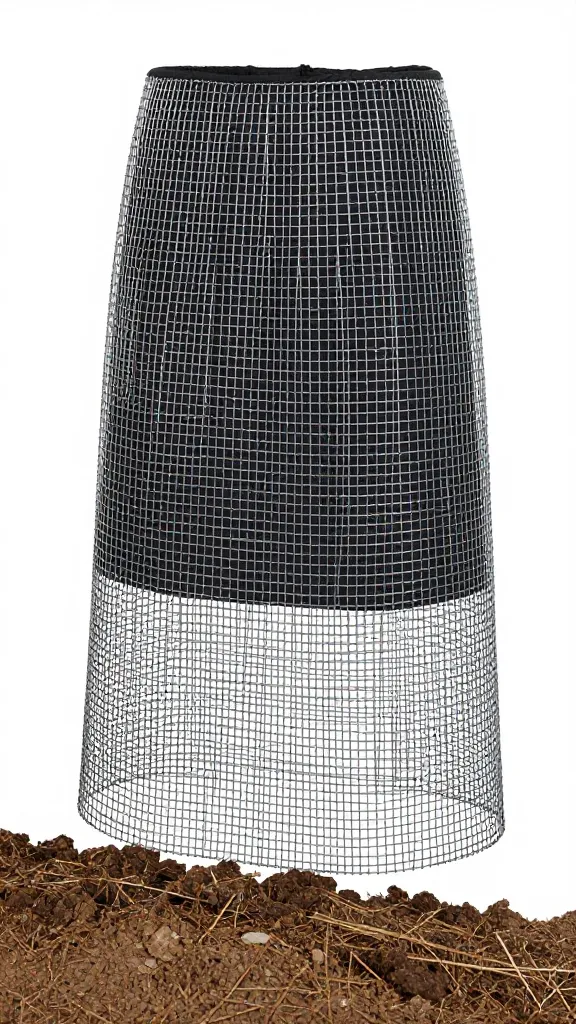
A coyote-resistant run uses 6-foot-tall walls of 1/2-inch hardware cloth stretched tight, framed with pressure-treated 4×4 posts set 24 inches deep in tamped gravel or concrete, spaced no more than 8 feet apart. Wrap the exterior with a 24-inch-wide hardware cloth apron laid flat on the soil, edges overlapped by 6 inches and pinned every 12 inches with landscape staples; cover with 2–3 inches of soil or gravel.
Roof and Overhead Protection
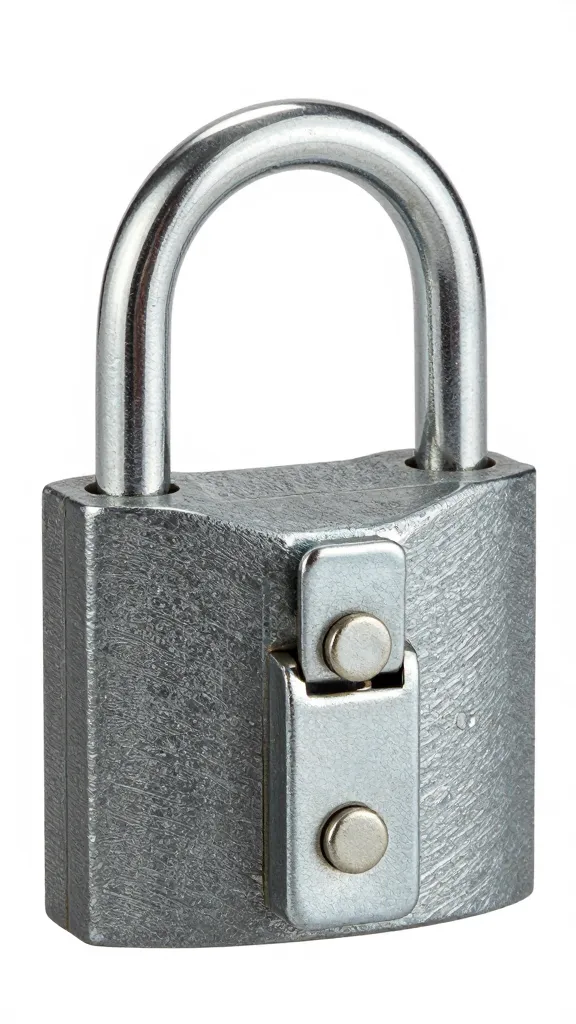
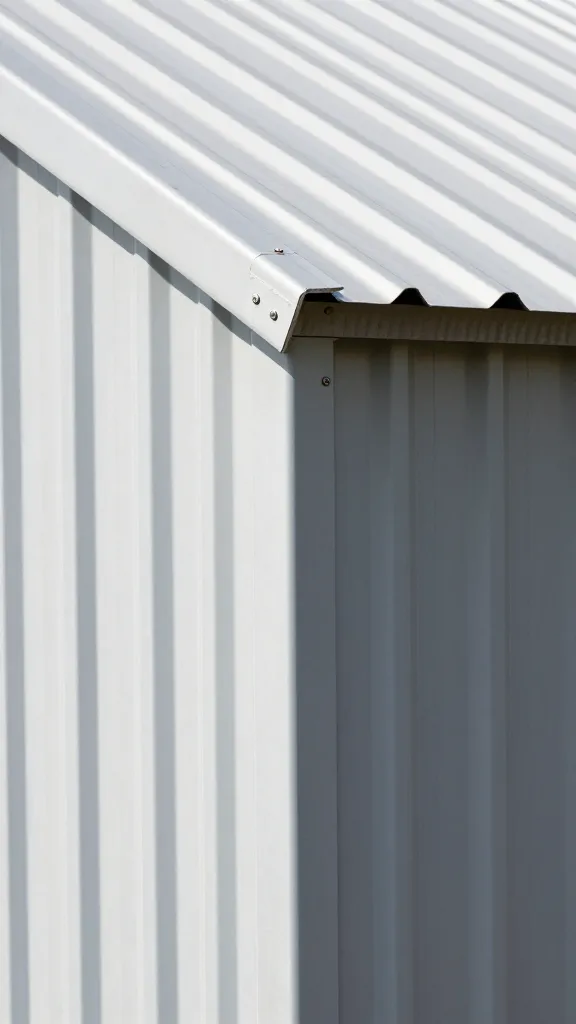
The run needs a roof; open-topped pens invite climbs and jumps. Standard is a solid roof—corrugated metal or polycarbonate—pitched at at least 3:12 to shed rain and snow, screwed to purlins at 24 inches on center. Where a solid roof isn’t feasible, stretch hardware cloth across the entire top with mid-span supports every 3–4 feet, then add a tight-woven bird net under a shade cloth to block visual lures. Coyotes will use a snowbank as a launch; keep roof eaves at 6.5–7 feet high and clear snow back at least 6 feet from the run walls after storms.
Doors, Latches, and the Pop Door
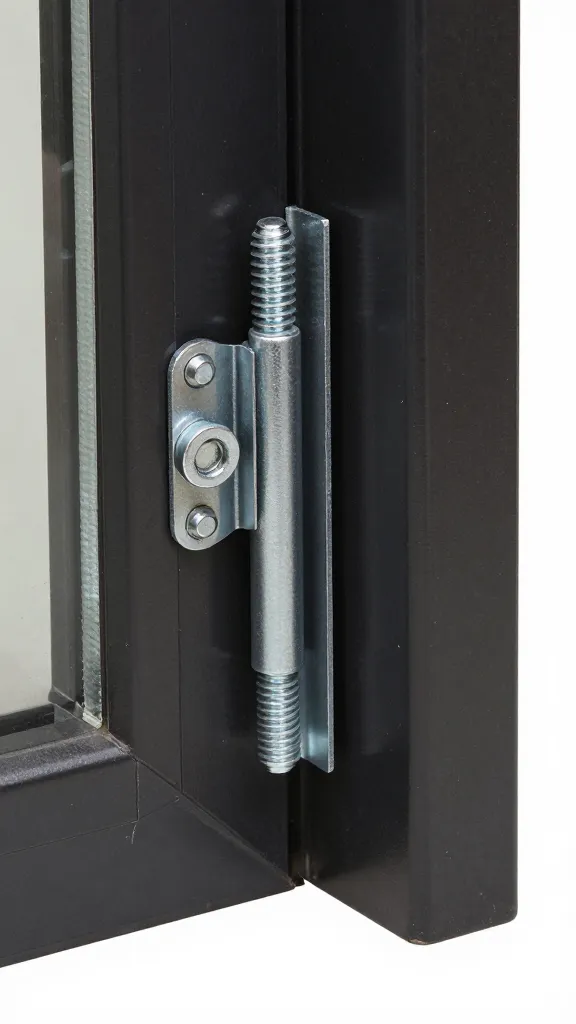
Every entry gets two defenses: a structural door and a latch coyotes can’t paw open. Standard is a solid wood or metal door, 3/4 inch thick minimum, that closes against a full-perimeter stop. Use a locking hasp plus a spring-loaded carabiner or a bolt latch with a drilled hole for a padlock. Mount latches at 36–42 inches high to avoid mud and ice. The pop door should be vertical-sliding in side tracks with no exterior cord accessible; if you use a motorized door, add a manual block or deadbolt for the nights the power or timer fails.
Hardware Cloth: Where, What Gauge, and How to Fasten
Use 1/2-inch, 19-gauge galvanized hardware cloth for all predator-facing surfaces, including vents, windows, run walls, and skirts. Avoid 23–24 gauge; it bends and “oil-cans” under tension. Fasten with 1-inch exterior screws and 3/4–1 inch fender washers every 4 inches on edges and every 6–8 inches on mid-spans. Staples alone are not acceptable for exterior faces. Overlap seams by at least 2 inches and stitch with stainless steel zip ties or wire every 6 inches before screwing both layers to framing.
Free-Range in Coyote Country: If You’re Going to Do It
The safest standard is a secure run 24/7; free-range raises your risk. If you choose it, keep it supervised only and limited to 1–2 hours before dusk when birds are home-oriented. Use a 6-foot portable electric poultry net energizer set to maintain at least 3,000 volts around the area, mow grass under it to prevent shorts, and check voltage with a tester every session. Keep line of sight—no shrubs or woodpiles within 20 feet of the flock. A single blast on a whistle at the first bark or movement becomes your recall; toss a handful of scratch in the run and shut doors behind them.
Lighting, Sightlines, and Deterrents That Actually Help
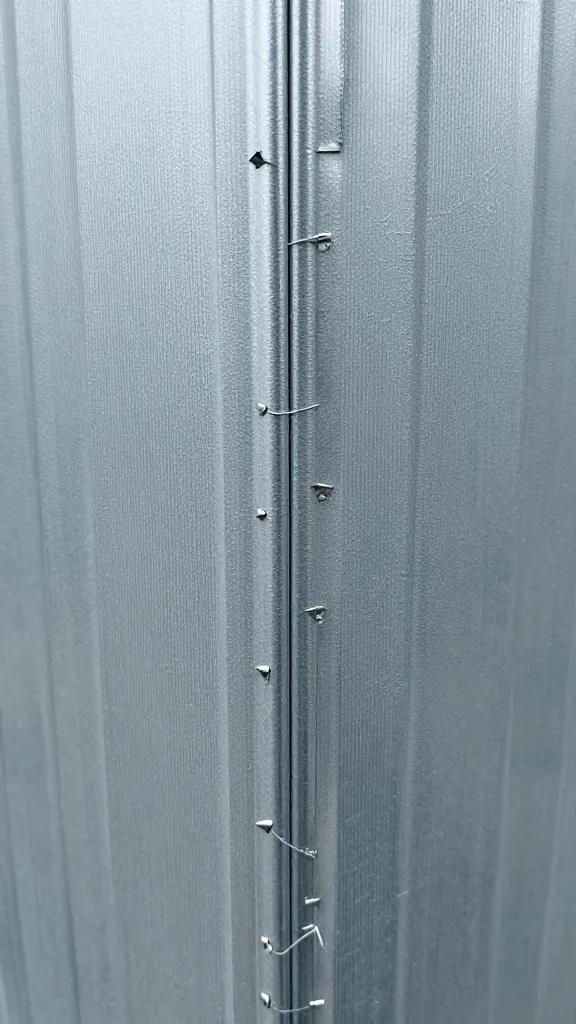
Motion lights on the run perimeter at 7–8 feet high help you—not the coyote—by alerting you to movement. Clear brush and tall grass back 10 feet from the run fence to remove ambush cover. If you install deterrents, choose electric fencing or hot wires over gimmicks: a single hot wire 6 inches above ground and one at ~36 inches around the run teaches a hard lesson at the nose and chest. Noise-makers and scent products fade; coyotes habituate within days.
Seasonal Stress Points: Heat, Freeze, and Snow Load
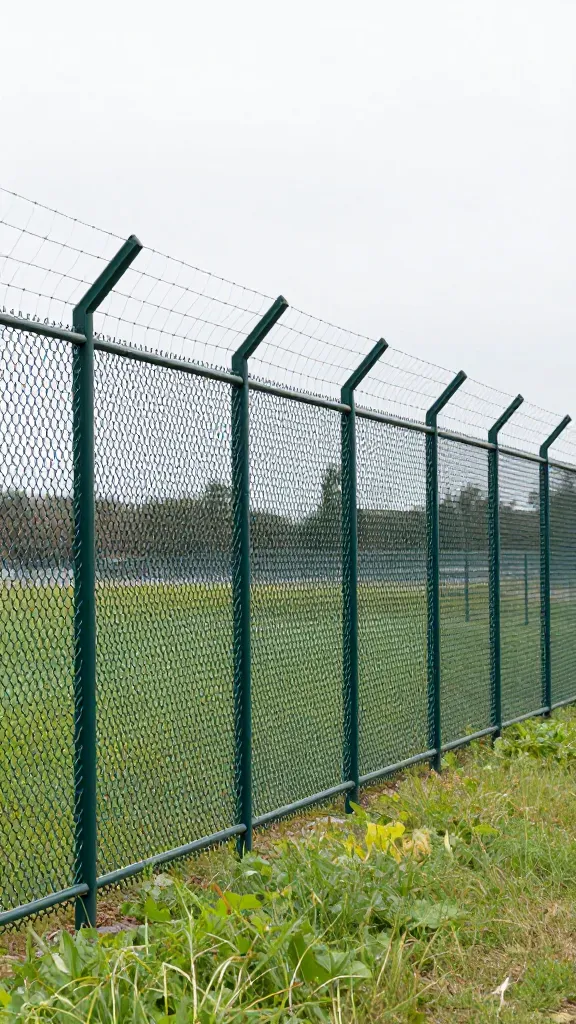
Summer: keep ventilation at the standard—1 square foot of vent per 10 square feet of floor—with shade over at least 50% of the run. Winter: never seal the coop airtight; add wind baffles that preserve airflow through hardware cloth. For snow, design the run roof to hold local loads; as a rule of thumb, frame for 30–50 psf unless your local code requires more. After storms, knock down drifts that build “ramps” within 6 feet of the fence.
Feeding and Attractant Control
Remove the reason for a nightly visit. Feed only what the flock cleans up in 20–30 minutes in the evening; store the rest in a metal can with a tight lid inside a latched shed or coop. Collect eggs daily, compost securely (covered bin or tumbler), and keep trash in lidded containers. Fallen fruit under trees, spilled scratch, and accessible pet food are invitations you don’t want to send.
Daily and Weekly Habits that Keep Coyotes Out
Daily: shut the pop door and main door 30 minutes before full dark, walk the fence line, and confirm latches are engaged. Morning: open after full light, scan for dig attempts, and rake away loose soil that hides tunnels. Weekly: test electric net or hot wire voltage, tighten any loose hardware cloth screws, and trim vegetation back to maintain your 10-foot clear zone. I carry a small bag with screws, washers, a driver bit, and a pair of tin snips; a 10-minute fix beats a midnight loss.
Common Weak Points and How to Fix Them Right
• Gaps at door bottoms: add a sweep and a 3/4-inch stop inside the jamb.
• Rot-softened edges: cut back to solid wood and sister with new pressure-treated 2x, then re-skin.
• Chicken wire panels: overlay with hardware cloth and screw through to framing.
• Unframed windows: build a 1×3 or 2×2 frame, sandwich hardware cloth between frame and wall with screws every 4 inches.
• Pop door cords outside: reroute inside or enclose in 1/2-inch EMT conduit.
• Soil heave opening skirts: add 6-inch overlap and more landscape staples; backfill with gravel.
My One Firm Opinion
If you are in coyote country, you install a 24-inch hardware cloth skirt around every run and coop, or you accept a preventable loss.
Coyote Country Chicken Keeping: Quick Audit You Can Walk Tonight
- All wall openings covered in 1/2-inch, 19-gauge hardware cloth with screws and washers every 4 inches.
- Run walls at least 6 feet high, with a solid roof or tight hardware cloth top.
- Perimeter 24-inch apron present, intact, and buried/covered.
- Pop door closes from the inside; no exterior cords accessible.
- Two-step latches on every door; nighttime lock engaged before full dark.
- Vegetation cleared 10 feet from fence; no woodpiles or debris near run.
- No feed left out overnight; eggs collected daily; trash and compost secured.
- Electric net/hot wires reading ≥3,000 volts if used.
Frequently Asked Questions
What fence height stops coyotes for backyard chickens?
Use 6 feet as the working minimum for run walls, and cap the run with a solid roof or hardware cloth. Coyotes can clear 5 feet and will climb wire with toe-holds, so height plus a roof is the reliable pair.
Is chicken wire enough for coyote country chicken keeping?
No. Use 1/2-inch, 19-gauge hardware cloth for predator-facing surfaces.
How deep should I bury wire to stop coyotes from digging?
Install a 24-inch-wide hardware cloth apron laid flat on the ground around the perimeter and covered by soil or gravel. In sandy soil, trench 12 inches down and form an “L” with the apron down-and-out to stop deeper digs.
Do motion lights or sounds keep coyotes away from chickens?
Motion lights help you see movement but don’t stop a determined coyote. Real deterrence is a secure enclosure plus, if you want an added layer, a hot wire at 6 inches and another at ~36 inches running at ≥3,000 volts.
What kind of pop door is safest in coyote country chicken keeping?
A vertical-sliding pop door in side tracks that closes flush, with no exterior cord accessible. Add a secondary lock or block so the door can’t be lifted from the outside, and shut it 30 minutes before full dark.
Can I free-range my flock with coyotes around?
Only with supervision and boundaries. Limit it to 1–2 hours before dusk, use energized poultry netting at ≥3,000 volts, keep cover at least 20 feet away, and be ready to recall on a whistle.
Do It Right Once
Build the hard shell—hardware cloth, roof, skirt, and latches—and then keep the nightly habit of shutting doors before dark. Tonight, walk your perimeter with a flashlight and a driver, and add screws and washers every 4 inches anywhere you only see staples.