How to Tell What’s Attacking Your Chickens (sign guide)
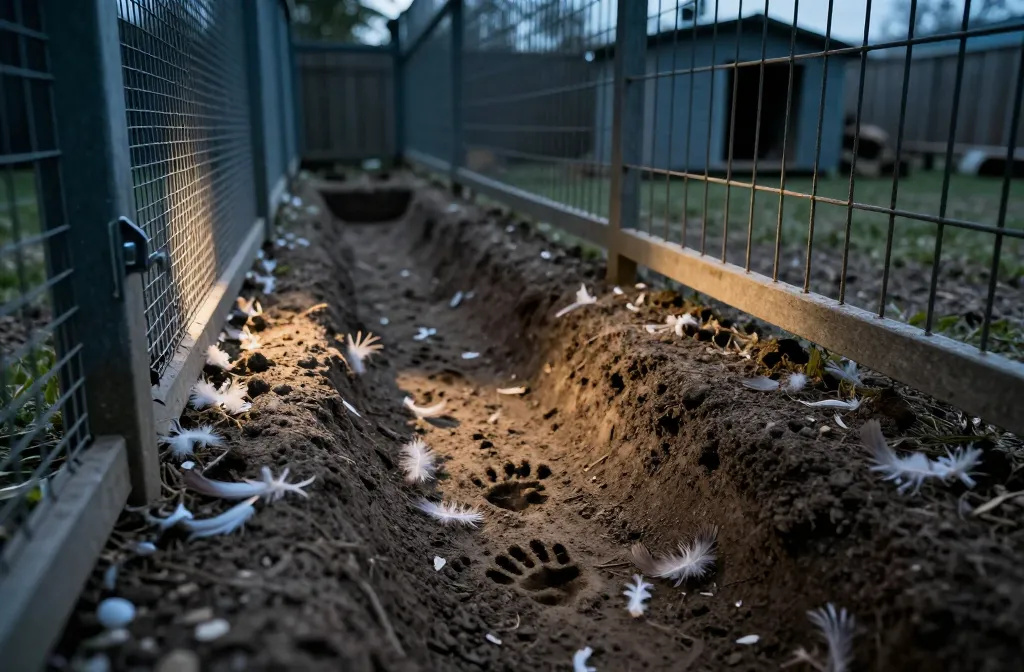
You wake up to feathers in the run and a gap you swear wasn’t there last night. This sign guide will help you identify what’s attacking your chickens, fast, so you can fix the exact weak point they used. I’ve rebuilt doors after raccoons peeled them back and buried wire skirts because foxes taught me to. By the end, you’ll know the predator by the evidence it leaves — tracks, bite marks, time of attack — and the specific repair that stops a repeat.
The Standard: Read the Scene Before You Reset It
Before you clean up, note three things: time of attack (dawn, daylight, dusk, or night), entry method (dug under, climbed, squeezed through, or tore open), and what’s missing (whole birds, heads only, carcasses outside, eggs). Take three photos and measure any hole to the nearest quarter inch. Those details narrow it to one or two likely predators and point you to the specific fix — more wire isn’t the same as the right wire in the right place.
Raccoon Signs & Fixes
Raccoons work at night, use hands like tools, and love to reach through gaps or open simple latches. Typical signs: heads or crops eaten through a fence, scattered feathers inside a secure coop, pried corners, and missing eggs. Tracks look like tiny human hands, about 2–3 inches across.
The fix: replace any mesh larger than 1/2-inch hardware cloth on all openings. Cover windows and vents from the outside with 16-gauge cloth, secured every 2 inches with screws and fender washers. Use a two-step latch on doors (spring-loaded hasp plus a carabiner), and shim any door gaps to under 1/4 inch.
Fox Signs & Fixes
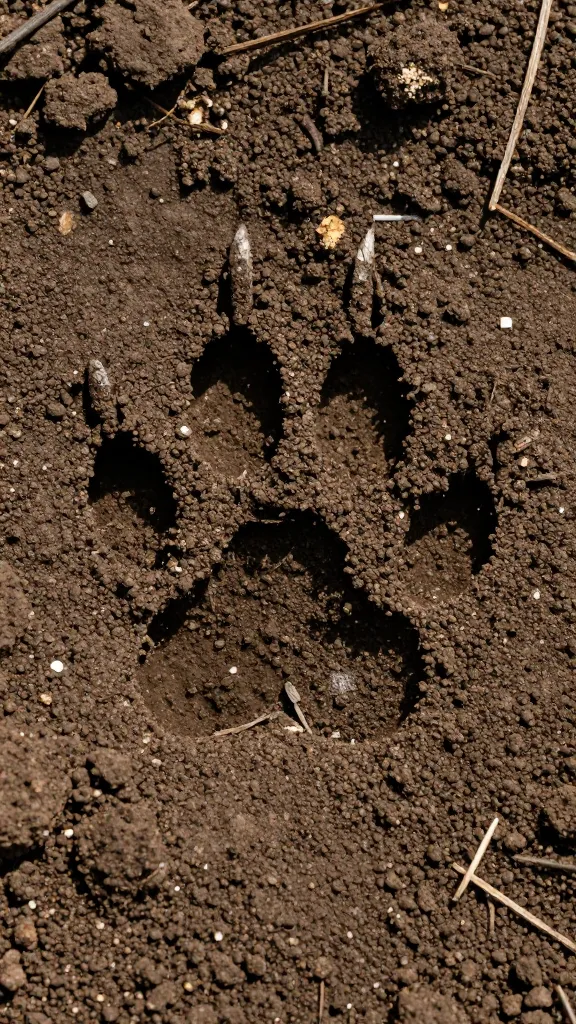
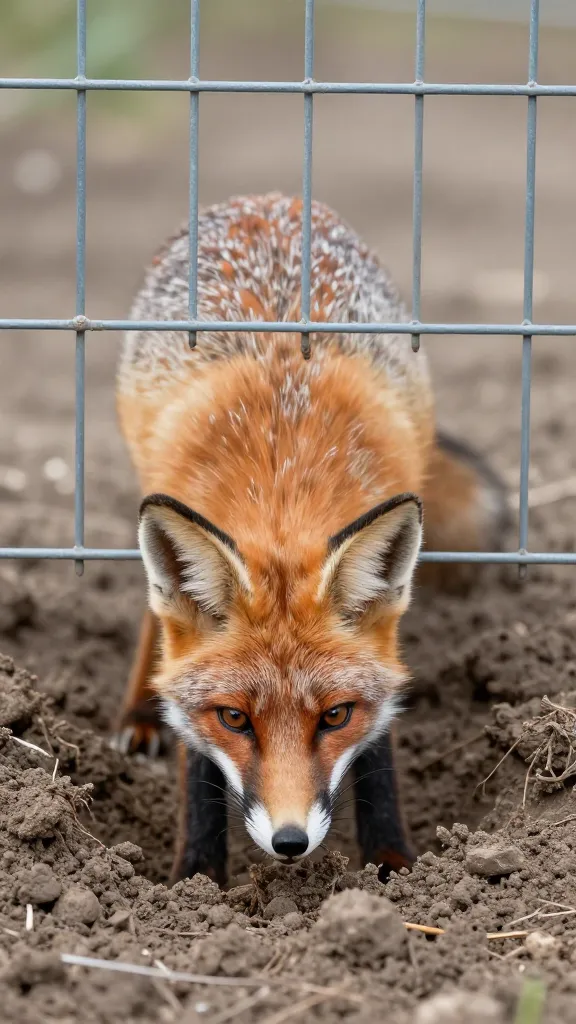
Foxes hit at dawn or dusk and carry birds off. Expect a clean scene with a feather trail leading away, sometimes 30–100 feet. Entry is often dug under a fence or squeezed through a gap over 4 inches. Tracks are narrow, dog-like, with front prints about 2–2.5 inches.
The fix: add a perimeter dig barrier. Install a hardware cloth apron that is 24 inches wide and lies flat on the ground outside the run, staked every 18 inches and pinned tight with landscape staples, or trench it down 12 inches vertically. Close gaps larger than 3 inches at gates and corners. Lock birds in the coop by 30 minutes before sunset to 30 minutes after sunrise during an active attack week. Burying the apron once saves you digging again in six months.
Hawk Signs & Fixes
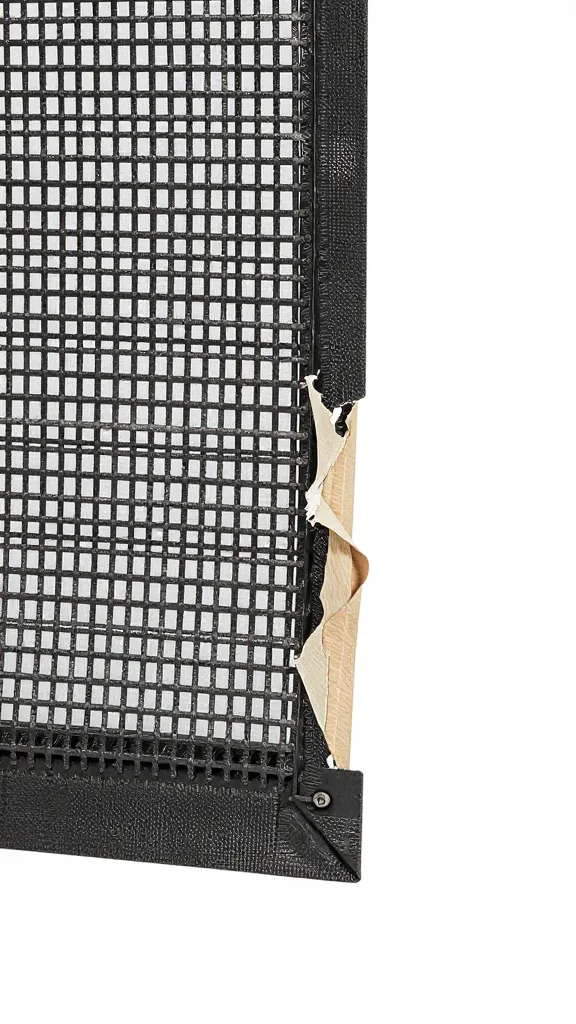
Hawks strike in daylight. Signs: kill happens in the open, breast meat eaten first, head and neck plucked clean, and a tight pile of feathers on grass. No digging, no torn wire, no missing eggs. Look up — overhead cover tells you if a hawk felt invited.
The fix: add overhead protection across the run — 2-inch bird netting is fine for hawks, or 1/2-inch hardware cloth if you also have raccoons climbing in. Provide 50% shade cover using tarps or solid roofing so hens can disappear underneath. For free-range hours, place at least three low shelters per 200 square feet (palettes on blocks or shrub clumps). I lost one young pullet to a red-tail; after I netted a 10×20 area, I didn’t lose another.
Owl Signs & Fixes
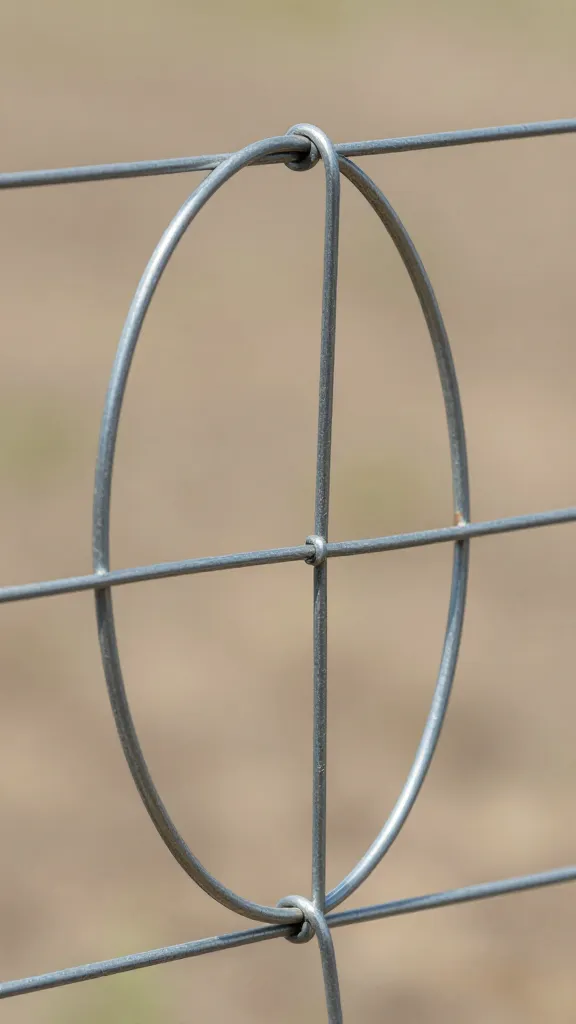
Owls work at night and prefer roosting birds outside the coop. Signs resemble hawks — plucked feathers in a neat circle — but timed to dark hours. If birds sleep outside on a fence or open run beam, you’ve set the table.
The fix: enforce indoor roosting. Close pop doors by full dark and remove any exposed perches in the run above 24 inches. Add overhead netting to any uncovered night pen and provide 4 linear inches of indoor roost per bird, placed higher than any outdoor structure.
Weasel, Mink & Small Mustelid Signs & Fixes
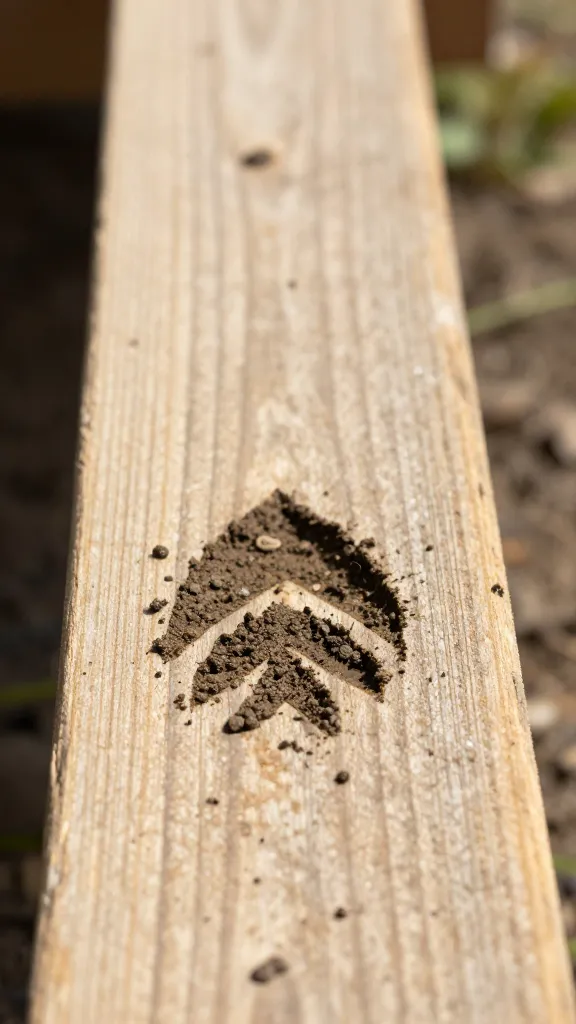
Weasels and mink are small, relentless, and attack at night. Signs: multiple birds dead with small bite marks at the head or neck, little eaten, and bodies left in place. Entry happens through gaps as small as 1 inch, especially at soffits and under doors.
The fix: seal every opening over 1/2 inch with hardware cloth and metal flashing. Replace plastic vent louvers with cloth and frame them tight. Add a door sweep that seals to the floor and a threshold at least 1 inch high. If your coop floor is dirt, add a 16-gauge hardware cloth liner under the bedding, stapled up the walls 6 inches.
Rat Signs & Fixes
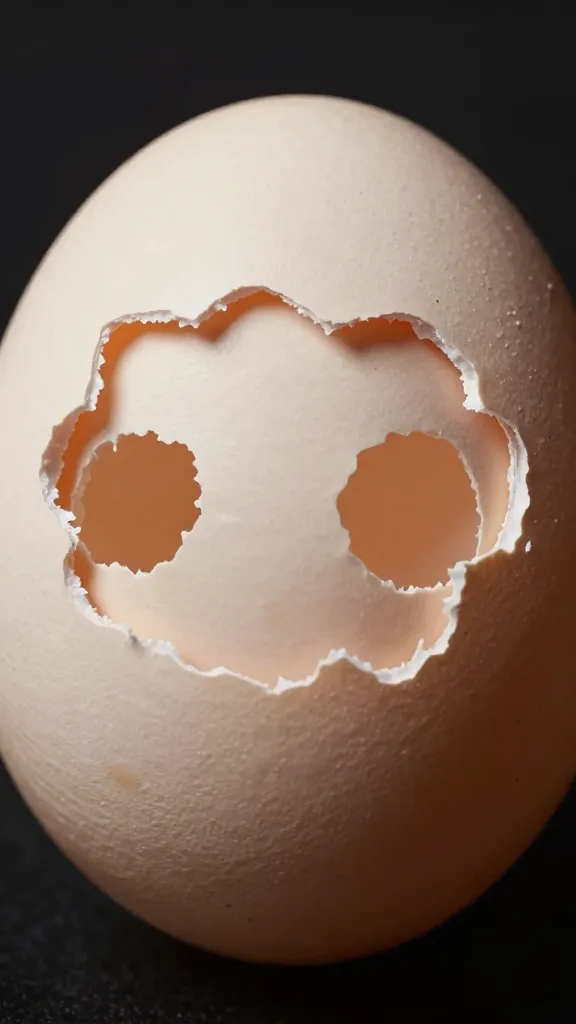
Rats are nocturnal opportunists. Signs: missing eggs, gnawed feed bags, tunneling near feeders, and small holes about 2 inches wide along the base of walls. They usually don’t kill adult birds but will harass and will kill chicks.
The fix: store feed in metal cans with tight lids. Move to hanging treadle or tube feeders and lift all feed and water at night. Line coop floors with hardware cloth as above and pour 1/4 inch of hardware cloth “curtain” under stationary feeders to defeat tunneling. For traps, follow local regulations and place snap traps inside 12-inch wooden boxes with 1.5-inch entry holes so birds can’t enter; check daily.
Dog Signs & Fixes
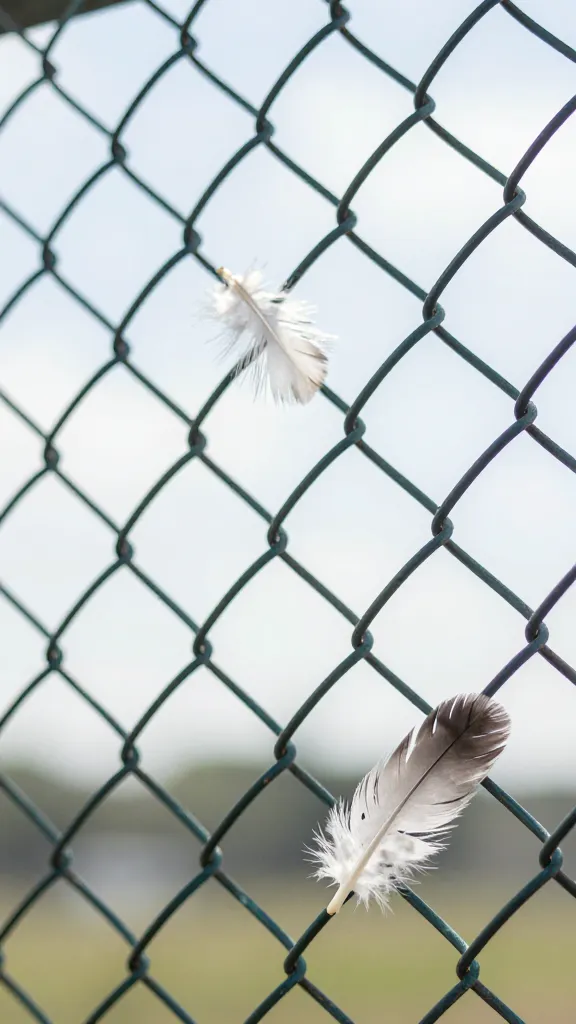
Loose dogs attack in daylight, often for sport. Signs: multiple birds mauled in the run, bodies left, fencing pushed over or clipped wire panels popped loose. Tracks are obvious, and neighbors hear the commotion.
The fix: stiffen your fence. Upgrade to 2×4 welded wire, 14-gauge or heavier, attached to wood posts every 8 feet with three galvanized staples per rail run. Add a top rail and diagonal brace at gates. If you free-range, confine during peak hours for 7–10 days while you speak with neighbors and shore up boundaries.
Bobcat Signs & Fixes

Bobcats hunt at dawn, dusk, and night. Signs: clean kill with neck bite, carcass dragged to cover within 50 yards, claw marks on soft dirt near the fence, and they climb well. They can squeeze through gaps at 4 inches and scale flimsy runs.
The fix: full run enclosure. Roof the run with hardware cloth or welded wire, not netting alone. Raise fence height to 6 feet minimum with an inward-facing 18-inch overhang. Use two latches per door and close birds inside a solid-walled coop at night.
Snake Signs & Fixes
Snakes raid in warm weather, usually at dusk or night. Signs: missing eggs without a mess, or dead chicks with no marks. You may see shed skins or smooth trails through dust.
The fix: eliminate egg access. Box off nest areas with 1/2-inch hardware cloth over any vents and keep fresh bedding 4–6 inches deep so eggs sit high and visible for quick collection. Collect eggs at least twice daily in snake season. Seal all gaps over 1/2 inch at floor level and keep grass cut within 3 feet of the coop perimeter.
Opossum Signs & Fixes
Opossums are night scavengers. Signs: one bird killed and partially eaten, often starting at the abdomen, missing eggs, messy feeding, and small, 5-toed hand-like tracks. Entry is typically through loose doors or gaps 2–3 inches wide.
The fix: tighten doors and vents with 1/2-inch hardware cloth and add weatherstripping to door edges. Swap simple hook latches for a locking hasp + carabiner. Remove nightly attractants: fallen feed and compost within 20 feet of the run.
When You Only Find Feathers: Interpreting Feather Patterns
A tight, circular pile of body feathers with quills intact points to a hawk or owl. A long trail of feathers leading away without a body fits a fox or bobcat drag. Scattered, broken feathers with torn wire points to dog or raccoon. Note feather size: wing and tail feathers are bigger and travel farther — measure the spread; a trail extending 30+ feet usually means a carry-off.
Time-of-Day Cross-Check
Night: raccoon, opossum, weasel, mink, owl, bobcat, snakes in warm months. Dawn/dusk: fox, bobcat, some dogs. Daylight: hawk, dogs, occasionally fox. Match timing with entry method — a night kill with no breach is likely an indoor gap; a day kill with no breach is likely aerial.
Hard Evidence: Tracks, Scat, and Bites
Tracks in damp soil tell the truth. Raccoon hands: 2–3 inches, five fingers. Fox: oval, two front toe nails show, 2–2.5 inches. Weasel prints are small, under 1 inch, often paired. Dogs: larger, splayed toes, 3+ inches. Photograph next to a 1-inch marker (a quarter coin is close) for scale.
Bite marks help: small paired punctures at the skull suggest weasel/mink; neck bite, spine crushed suggests fox or bobcat; head removed or eaten through fence points to raccoon. If this level of detail is beyond your comfort, call your county extension office; they’ll often ID by photos.
After the Attack: Secure, Then Reset
The order is: lock down tonight with temporary measures, then rebuild right within 48 hours. For tonight: bring all birds indoors, close pop doors, set a work light on a timer outside the run for 2–3 hours after dark, and use temporary panels of 1/2-inch hardware cloth screwed over fresh breaches every 6 inches. Collect every egg, remove all feed, and set two motion lights at entry points. Predators return within 24–72 hours to try the same door again — deny them once and they often move on.
Prevent the Next One: The Five Non-Negotiables
Standard first. A safe setup has: 1/2-inch, 16-gauge hardware cloth on every opening; a 24-inch ground apron around the run; solid doors with two-step latches; roofed or netted runs; and a locking routine that shuts birds in by dark, every day, all year. My firm opinion: you can skimp on the coop paint; you cannot skimp on the hardware cloth.
Audit Your Coop & Run Tonight
- Measure every gap; anything over 1/2 inch gets hardware cloth and washers spaced every 2 inches.
- Add a 24-inch apron or bury wire 12 inches down along the entire perimeter.
- Upgrade latches to two-step on all doors and nest box lids; add a 1-inch threshold and a door sweep.
- Roof or net the run; provide 50% overhead cover for daytime protection.
- Remove feed and water at night; store feed in metal cans.
- Set a lock/inspect routine: 2 minutes at dusk to walk the perimeter and shut doors.
Frequently Asked Questions
How do I tell if a raccoon is attacking my chickens?
Look for night activity, pried doors, and heads or crops eaten through a fence. Tracks look like 2–3-inch handprints. Fix with 1/2-inch, 16-gauge hardware cloth and a two-step latch on every door.
What’s attacking my chickens if only feathers are left?
A tight feather pile in daylight points to a hawk; a long trail extending 30+ feet at dawn/dusk points to a fox or bobcat carrying the bird off. Match the time of day with entry signs to confirm.
How can I tell if a fox or dog killed my chickens?
Foxes hit near dawn/dusk, leave few remains, and often dig under; dogs usually attack in daylight, leave multiple mauled birds, and push fences over. A 24-inch wire apron stops foxes; 14-gauge welded wire with a top rail resists dogs.
What killed my chickens at night with small neck bites?
Multiple birds dead with small paired punctures at the head or neck suggests a weasel or mink. Seal every opening larger than 1/2 inch and add a 1-inch door threshold plus a sweep to close floor gaps.
How do I prevent hawks from attacking my chickens?
Roof the run with 2-inch bird netting or hardware cloth and add 50% shade cover so hens can vanish from view. For free-range, set at least three low shelters per 200 square feet and keep birds supervised during peak flight hours.
How fast do predators come back after a first kill?
Within 24–72 hours is common — they return to the exact breach. Patch with hardware cloth the same day and implement a full 24-inch apron and two-step latches within 48 hours.
Your Next Right Move
Identify the predator by time, entry, and what’s missing, then fix the exact failure with hardware cloth, proper latches, and an apron — not just “more fence.” Tonight, walk your perimeter with a tape and a flashlight, measure every gap over 1/2 inch, and cover those first with hardware cloth and washers every 2 inches.