Owl & Nighttime Raptor Protection
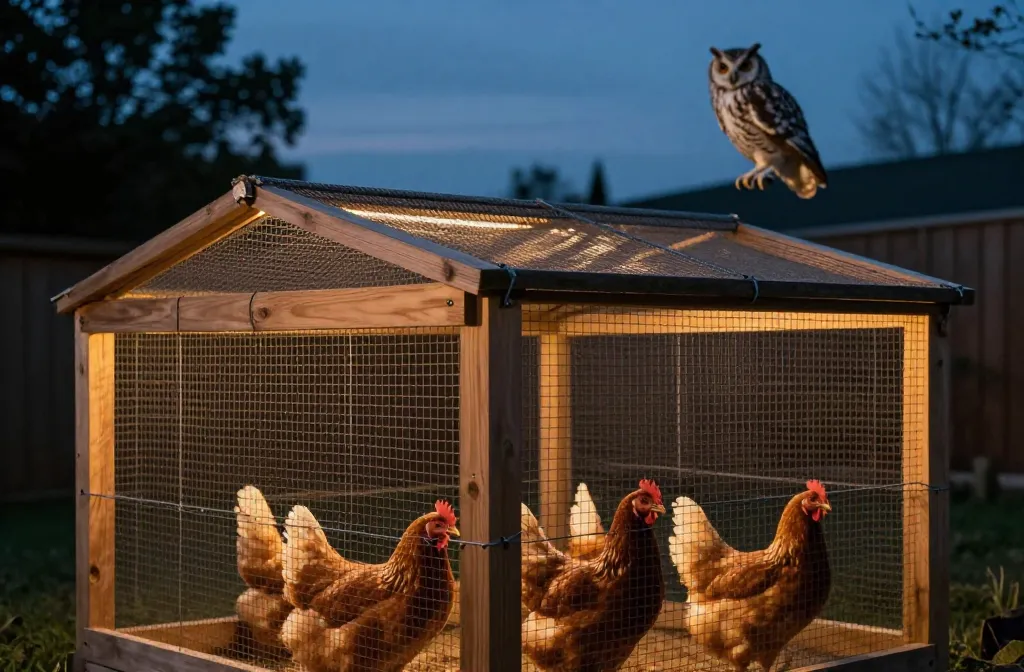
At dusk, your flock goes quiet and blind while owls get sharp and fast — this is when losses happen. Owl & Nighttime Raptor Protection is about making your coop and run uninteresting to a silent hunter that can thread a six-inch gap and lift a four-pound hen. I have found barred owl feathers beside a run I thought was secure; I rebuilt the roof that weekend. By the end, you’ll know the weak points owls exploit, the exact materials that stop them, and a night routine that keeps hens accounted for until morning.
How Night Raptor Losses Actually Happen
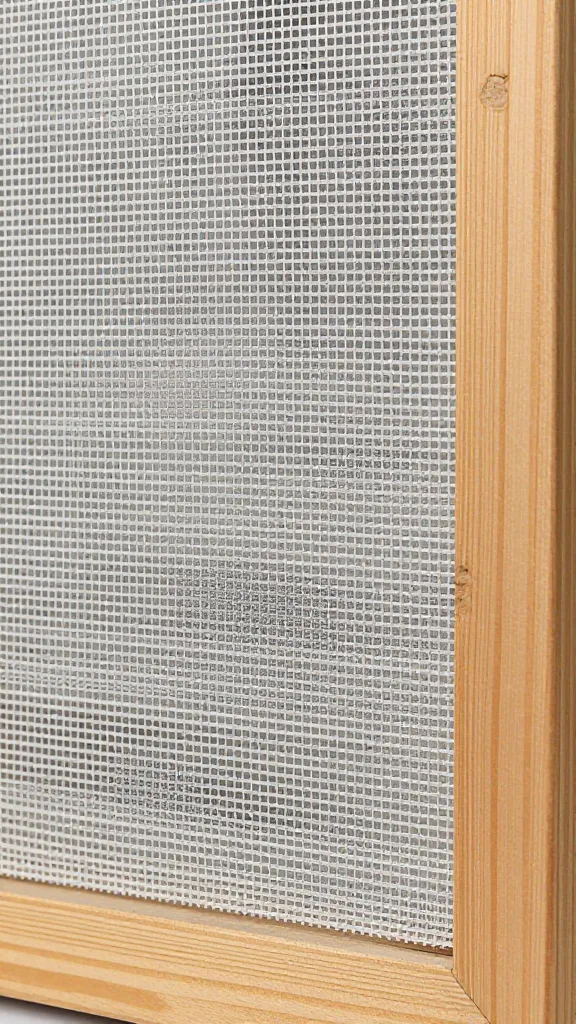
The standard is simple: no outside access to birds from dusk to dawn, not even a wingtip through wire. Owls kill in three ways at night: stooping into open-top runs, reaching through large mesh to grab a roosting bird, and slipping beneath loose edges where wire isn’t fastened every four inches. A great horned owl can carry off a standard hen; smaller owls will maim through a fence until a bird panics and tangles. If you’ve ever found a headless bird near the fence line, you have a reach-through issue, not a mystery illness.
Secure the Run Roof Against Owls
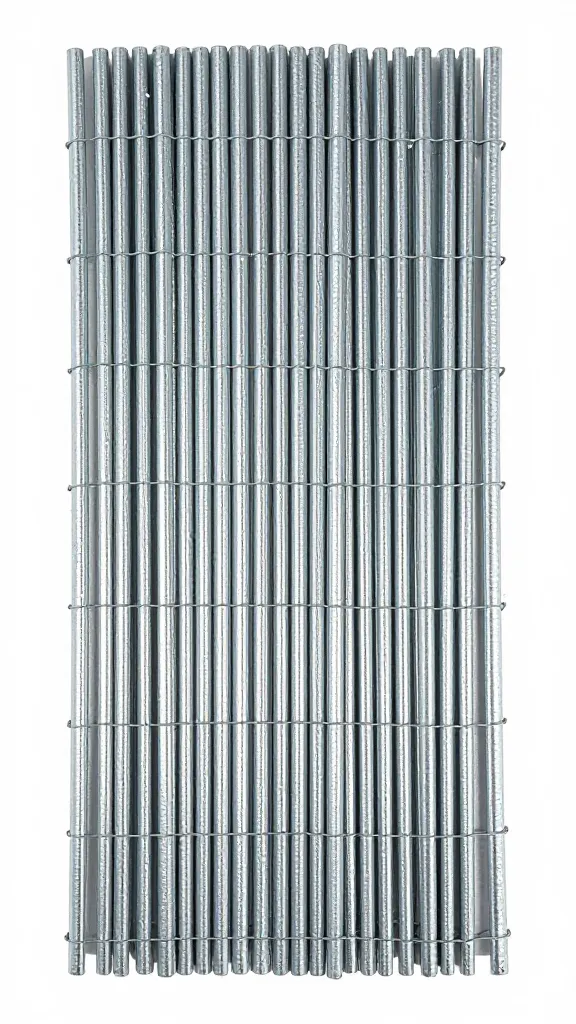
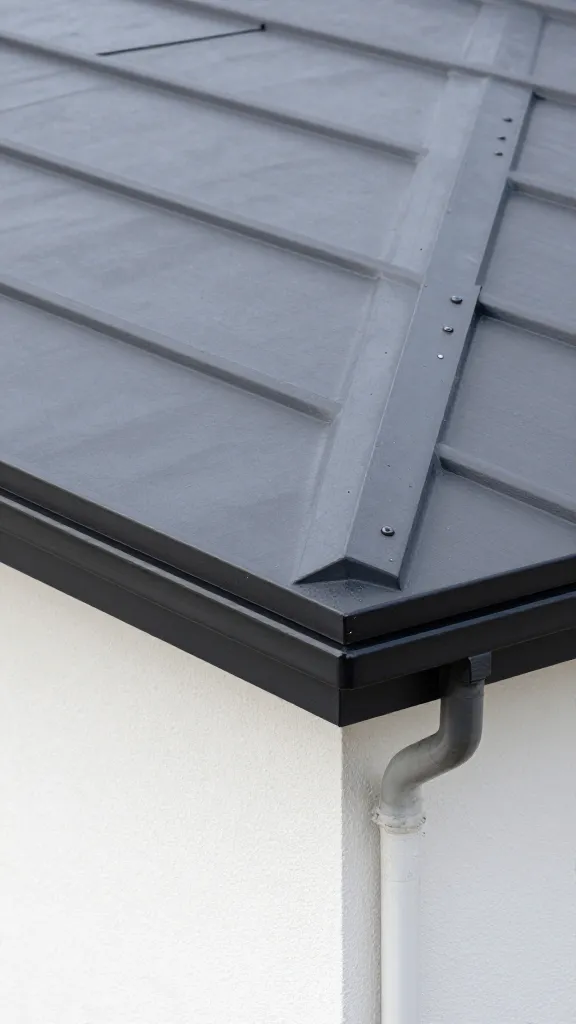
The roof is the first fix because owls hunt from above. The standard: cover every run with rigid roofing or 1/2-inch hardware cloth fastened on all edges and every 8–12 inches across supports. If you want shade and rain control, a solid metal or polycarbonate panel roof set at a minimum 3:12 pitch sheds water and blocks entry entirely.
Hardware Cloth Roof Details
Use 19-gauge, 1/2-inch galvanized hardware cloth. Span it over 2×4 purlins set 24 inches on center to prevent sagging under snow or wet leaves. Overlap panels by two full squares (1 inch) and stitch the seam with UV-stable zip ties every 4 inches or stainless wire, then cap the seam with a 1×2 batten and screw it down every 8 inches. Terminate the mesh to framing with 1-inch poultry staples every 2 inches or washer-head screws every 6 inches — no loose edges.
Close the Gap Size Owls Exploit
The standard for openings is no gap larger than 1/2 inch anywhere a bird roosts within 12 inches. Owls reach and rake; if a hen sleeps pressed to 2×4 welded wire, she’s a target. Line any larger-mesh fence (2×4, 1×1) within 24 inches of the roost line with a continuous band of 1/2-inch hardware cloth.
Build a True Night-Safe Coop Envelope
The coop must be a box owls cannot pry into when your door is shut. The standard: solid walls, solid roof, closing windows covered in 1/2-inch hardware cloth, and a pop door that seals. Ventilation is non-negotiable — you need one square foot of vent per 10 square feet of floor space — but every vent must be backed by hardware cloth and framed so no edge can flex. Hens should be on roosts at least 12 inches from any wall and 18 inches from any opening to keep feathers away from screens.
Pop Door That Owls Can’t Work
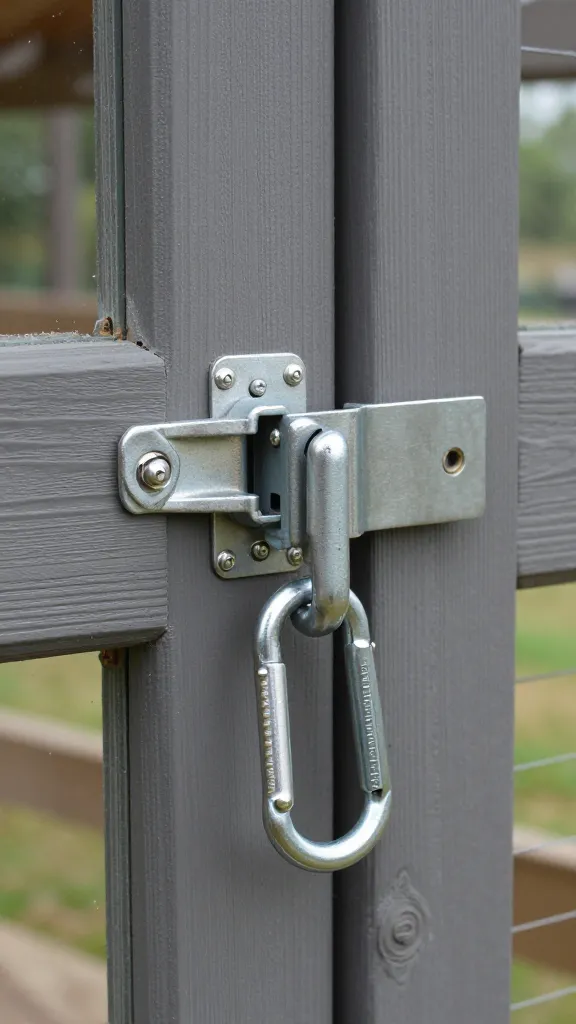
Install a pop door that closes to a flush fit with less than 1/4-inch gap. Use a vertical guillotine or a side-swing door with two latching points. Add a positive latch: barrel bolt with carabiner or a keyed hasp. Even though raccoons are the latch-pickers, your defense should assume clever hands and a strong beak. Set a habit: door closes at civil twilight year-round; use a timer or do it yourself.
Roost Placement That Denies a Beak
The standard for roost bars is 8 inches of linear space per standard hen, positioned where predators can’t reach. Set roosts at least 18–24 inches off the floor and maintain 12 inches of clearance from any window, vent, or mesh. If your coop has wall vents, add an interior baffle — a simple 1/4-inch plywood shield set 3 inches off the mesh — so air flows but feathers are not within reach.
Day Pens and Dusk Routine
If you free-range before dusk, use a covered staging pen beside the coop: 1/2-inch hardware cloth on all six sides, minimum 10 square feet per bird for the pre-bed hour. Move feed inside the coop by one hour before dark so hens return to roost on their own. Do a headcount nightly; you’re looking for the same number, same time, every night. An owl takes advantage of the one pullet lingering under the shrub while you fetch a flashlight.
Lighting and Deterrents That Actually Help
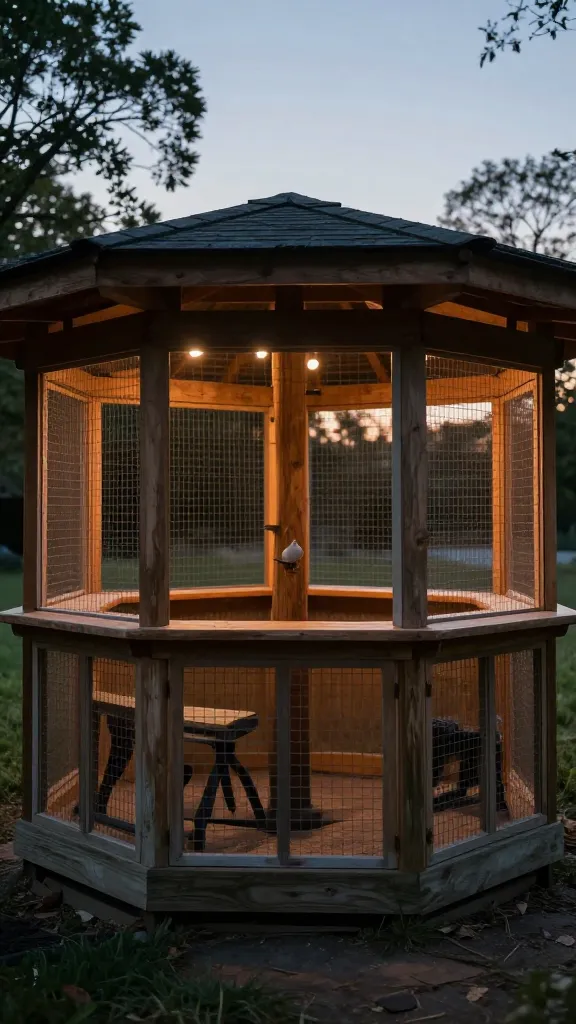
Motion lighting won’t stop a hungry owl, but it helps you spot a problem. Mount one motion light at 7–8 feet aimed across the run roof and one at the coop door. Avoid reflective tape or plastic owls; they look busy and do little by week two. If you use noise deterrents, set them to activate only after 10 p.m. and only for 15–30 seconds bursts — your neighbors are part of the system whether you like it or not.
Vegetation, Perches, and Flight Paths
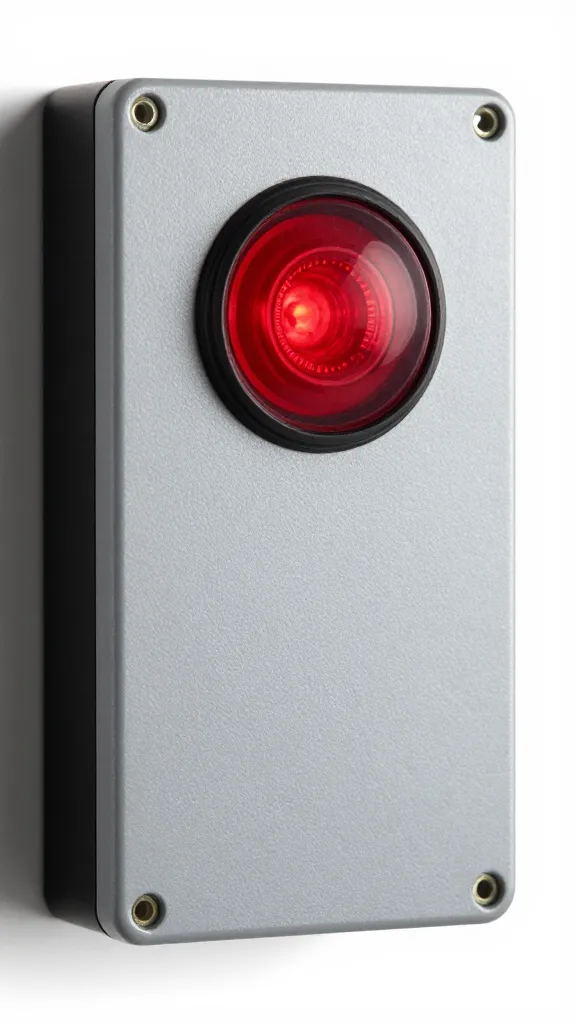
Owls like a clean approach and a solid perch. Keep branches trimmed back at least 10 feet from the run roof and remove trellis rails or fence caps that sit within 6 feet of a roof edge. If you must have a shade tree, prune so the lowest limb is above 9 feet and ensure the run roof cannot be launched from it.
Materials That Work — and Those That Don’t
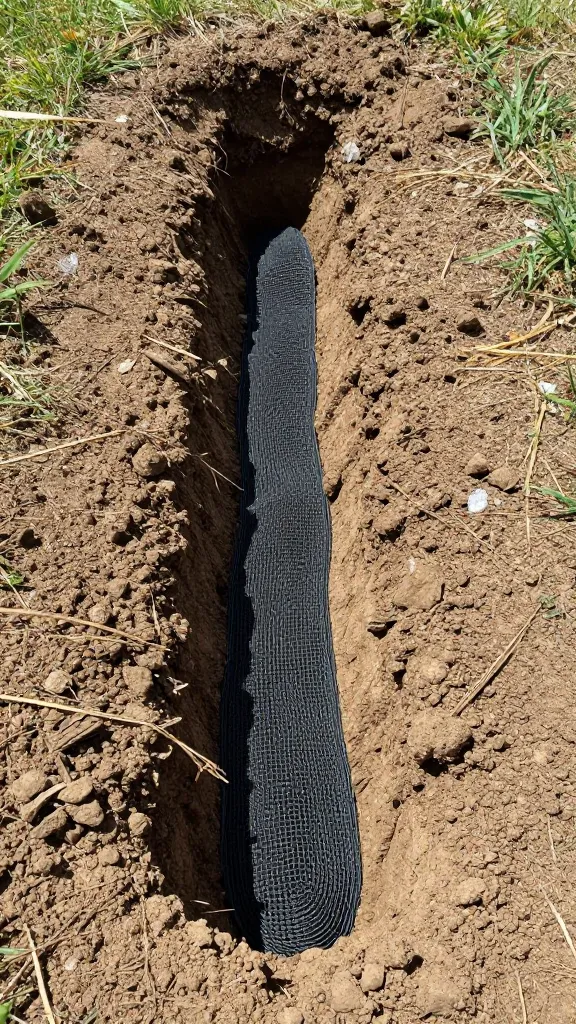
Use 19-gauge (or heavier) 1/2-inch hardware cloth, galvanized staples, washer-head screws, and solid roofing panels. Avoid chicken wire for anything structural; it keeps chickens in, not predators out. Avoid plastic netting and bird mesh on the roof — a determined owl compresses and tears it along a staple line. Wood framing should be pressure-treated where it touches soil and 2x lumber where you need fastener bite every few inches.
Winter, Snow Load, and Wind
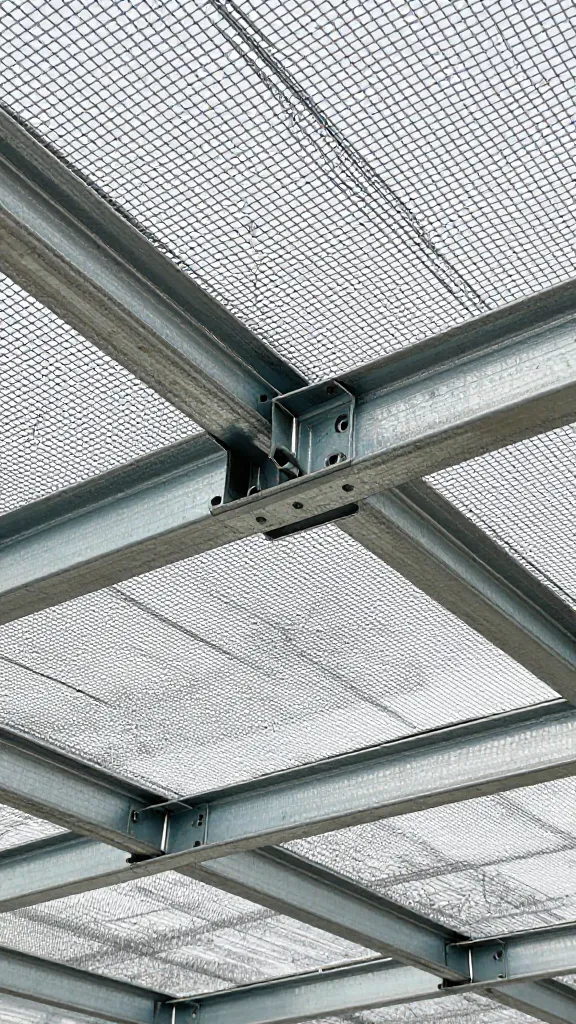
Snow turns a good roof into a hammock if it’s underbuilt. Design run roofing to handle at least 20 pounds per square foot of load, with supports every 24 inches or less and a 3:12 or greater pitch. In wind-prone yards, run exterior-grade screws every 6 inches along edges, and add hurricane ties to rafters. An owl only needs the one night after a storm when a corner lifts and you haven’t noticed yet.
If You Free-Range: Timing and Supervision
Owls hunt from late dusk to pre-dawn, with a heavy window in the 30 minutes after sunset. Keep free-range confined to full daylight; be back at the run gate at least 45 minutes before sunset. If you push light late in winter, do it inside the coop so birds choose the roost without lingering outside.
Signs You Have an Owl Problem
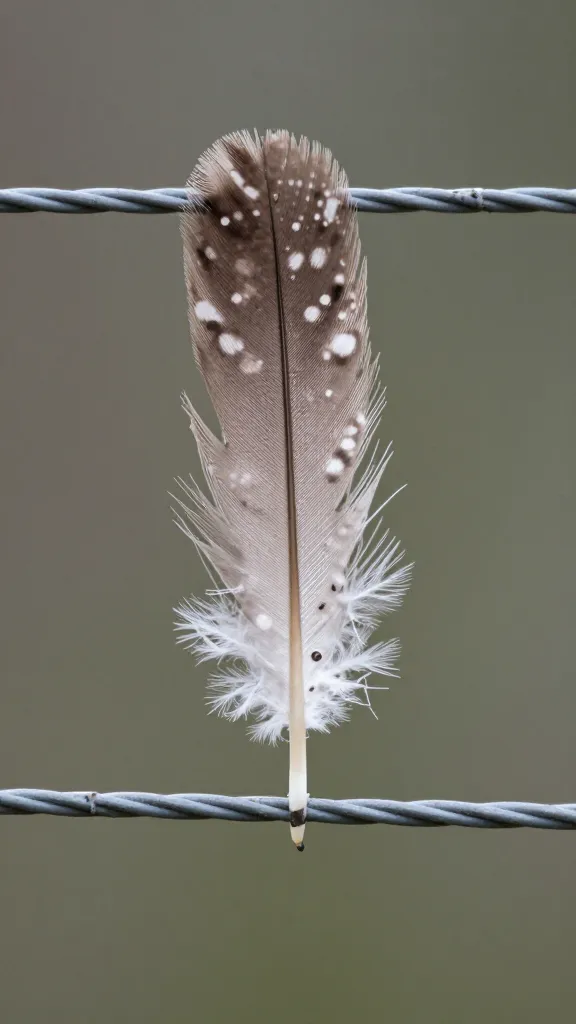
Feathers in a loose pile within 15 feet of the run, no blood spray, and no digging suggest an aerial strike. A dead or injured bird against fencing with missing head or deep shoulder wounds points to a reach-through. Whitewash droppings and a few downy feathers on a fence rail under a tree limb are classic owl perch signs. Set a trail camera for 3–5 nights to confirm — then fix the roof first.
My One Firm Opinion
If your run doesn’t have a solid roof or 1/2-inch hardware cloth over the top, you don’t have owl protection — you have wishful thinking.
Audit Checklist You Can Walk Tonight
- Run roof fully covered with solid panels or 1/2-inch hardware cloth, fastened every 8–12 inches across and every 2–6 inches at edges.
- No openings larger than 1/2 inch within 18 inches of any roost or perch point.
- Pop door closes to less than 1/4-inch gap with a positive latch; shuts at civil twilight.
- Windows/vents backed by 1/2-inch hardware cloth; roosts 12 inches from walls and 18 inches from openings.
- Trees trimmed 10 feet back from run; no nearby perch rails within 6 feet of roof edge.
- Motion lights mounted at 7–8 feet covering the roof and door; headcount done nightly.
- Roof supports 24 inches on center or tighter; seams overlapped 1 inch and stitched every 4 inches.
Frequently Asked Questions
What size mesh stops owls at night in the run?
1/2-inch hardware cloth is the standard for Owl & Nighttime Raptor Protection. Use 19-gauge or heavier, attach it every 2–6 inches on edges and every 8–12 inches across supports. Larger meshes like 1×1 or 2×4 need a 1/2-inch liner near roosts.
Do fake owls or reflective tape work for owl & nighttime raptor protection?
They have short-lived effect — a week or two at most. A covered run roof and secured coop are the reliable defenses. Use deterrents only as a supplement while you finish the physical fixes.
Can an owl get through chicken wire?
It can reach and tear at 22-gauge chicken wire, and it’s easy to deform at staple lines. Chicken wire is for keeping chickens in, not predators out. Replace or back it with 19-gauge 1/2-inch hardware cloth on all predator-facing sides.
How high should fences be to protect against owls?
Height doesn’t stop an owl; a roof does. If you’re enclosing, build the run to at least 6 feet so you can roof it with panels or hardware cloth without ducking under it daily. Trim nearby branches to keep a 10-foot clear approach.
What time should I lock the coop to prevent owl attacks?
Close the pop door at civil twilight — roughly when the sun is 6 degrees below the horizon — which is about 30 minutes after sunset. Set a timer or phone alarm and do a headcount as you latch. Reopen at full daylight.
Will motion lights keep owls away at night?
They help you notice movement but won’t deter a committed owl. Install one light at 7–8 feet covering the run roof and one at the coop door, then rely on hardware cloth and a shut door for real protection.
Do This Before Bed Tonight
Standard first: a fully covered run with 1/2-inch hardware cloth or solid roof, gaps no larger than 1/2 inch, and a pop door that closes tight at twilight. Walk your perimeter with a tape and a flashlight; if you can pass a fingertip through a gap or see sky through the run roof, fix that section tomorrow with hardware cloth and washer-head screws every 6 inches.
Describe your run and what you’re seeing — I’ll help you sort it out.