Winter Predator Pressure — why attacks spike
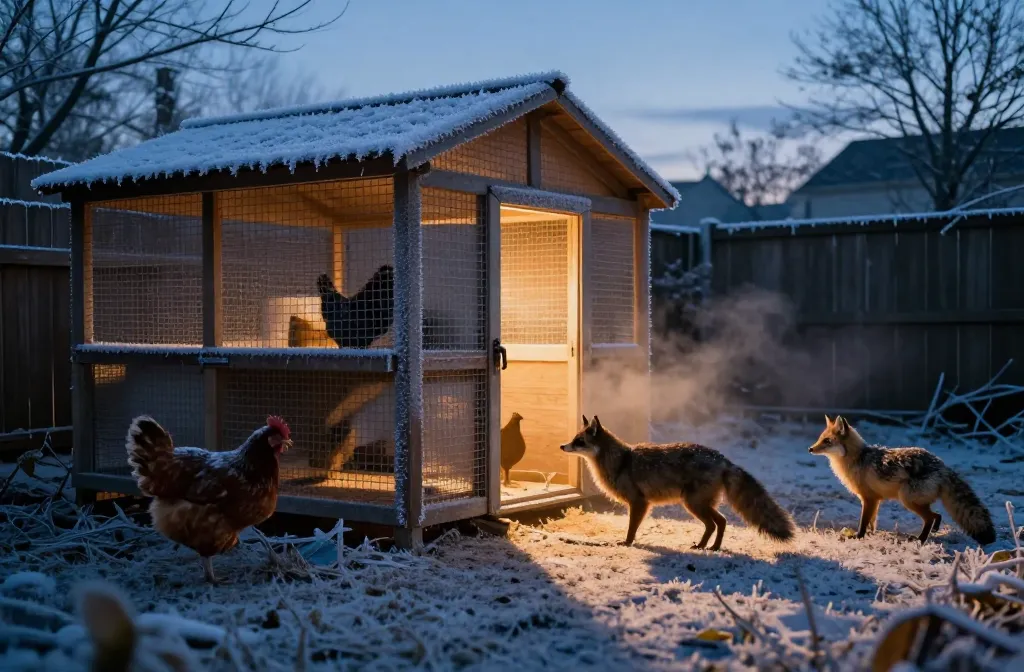
Frost stiffens the grass, dusk comes early, and the woods go quiet — that’s when winter predator pressure ramps up. Winter predator pressure means more daytime prowling, bolder approaches to coops, and attacks that hit fast around dusk and dawn. I’ve replaced torn hardware cloth in January with my gloves off because a raccoon found the one weak staple. By the end of this, you’ll know exactly why attacks spike in winter and how to harden your coop and routine so you don’t learn the lesson the hard way.
How Winter Losses Actually Happen
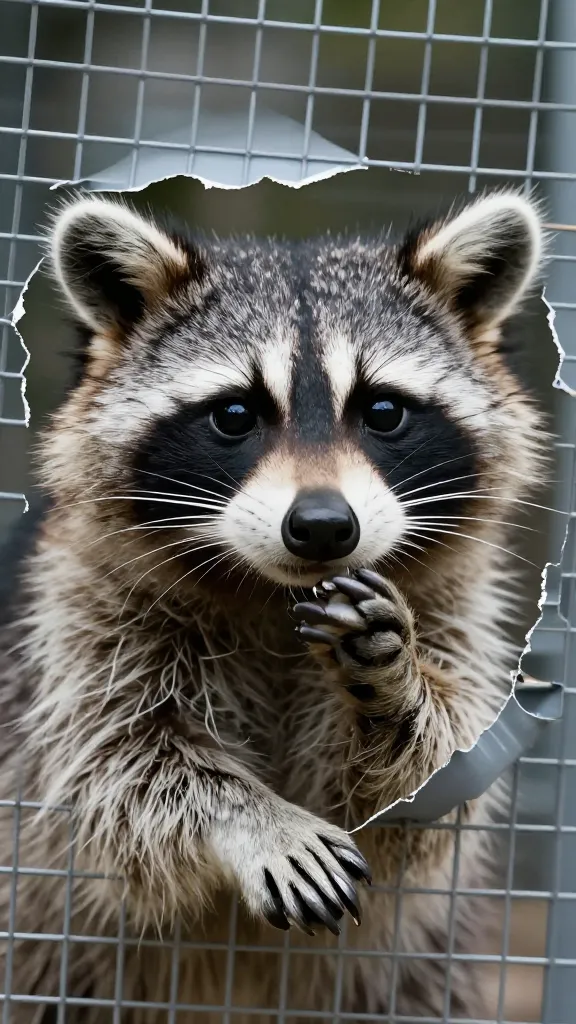
The standard in winter is this: tight perimeter, zero dusk gaps, and hardware cloth on every opening. Attacks happen because predators are hungrier, daylight is short, and birds cluster earlier on the roost. In practice, most winter kills trace back to one of five failures: a dusk locking delay of even 15 minutes, a 1–2 inch gap around a door, chicken wire used as security, an unsecured pop door, or no dig-proof skirt. Predators don’t need long — a weasel will use a two-inch gap; a raccoon needs about three minutes with a loose latch.
Why Winter Predator Pressure Spikes
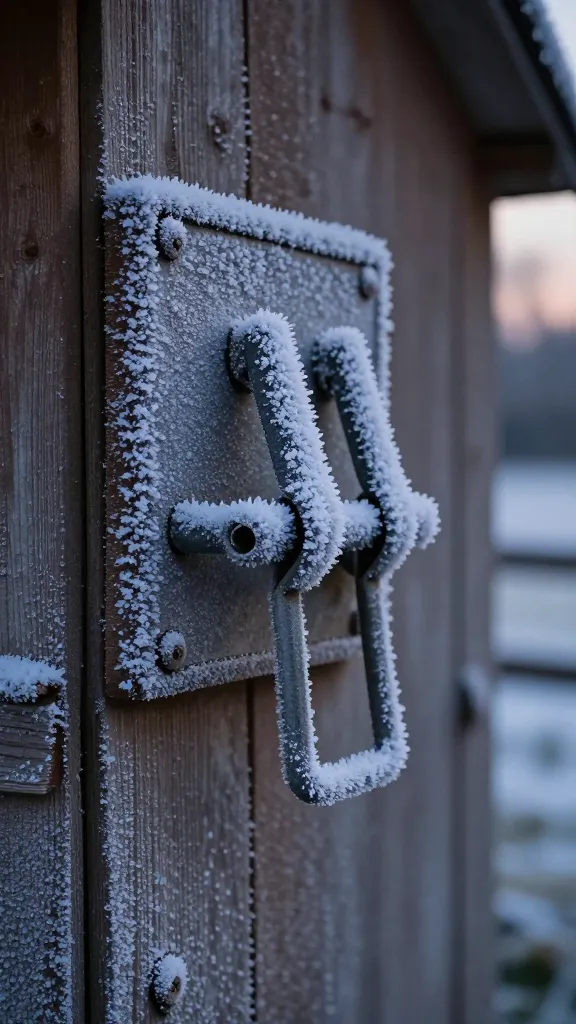
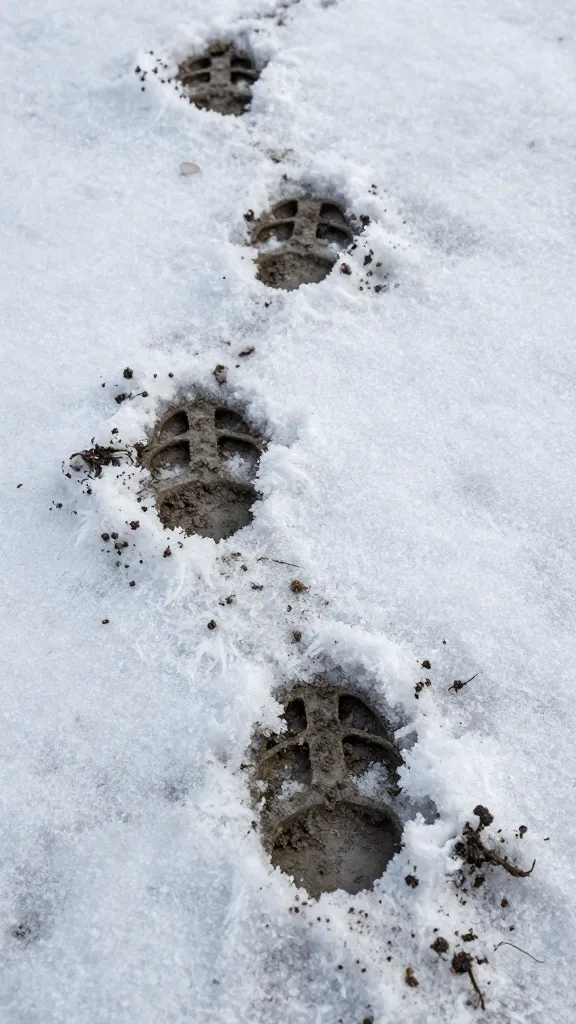
Predators burn more calories in cold weather and many usual food sources — insects, vegetation, roadkill before cleanup — are scarce. That pushes raccoons, foxes, coyotes, mink, and weasels to scout in broad daylight, especially in the last hour before sunset. Snow and frozen ground also funnel movement along your paths and fence lines; tracks show you this plainly after a dusting. Chickens add to the risk by going in earlier and roosting hard — if the pop door isn’t locked by civil twilight, you are offering an easy take.
Winter Predator Pressure by Species: What Changes and What Stops Them
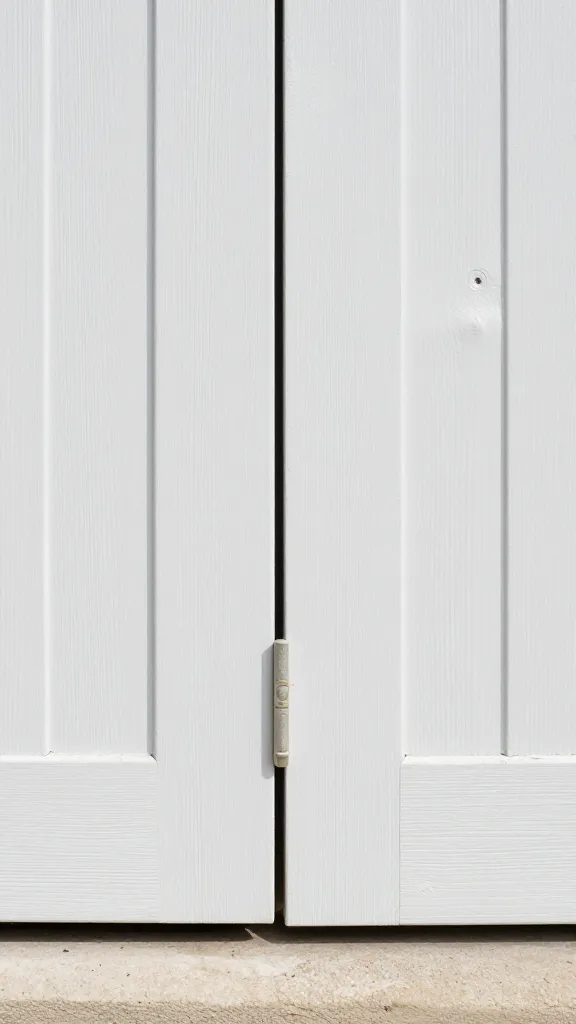
Raccoons
Standard: latches require two motions and a tool. In winter, raccoons shift to earlier hours and work latches patiently. Use a hasp with a carabiner or a lockable barrel bolt at two heights (about 12 inches and 36 inches) on human doors. On pop doors, add a sliding bolt with carabiner on the inside.
Foxes and Coyotes
Standard: no dig access within 18 inches of your run wall. In frozen soil, they target spots softened by bedding runoff and along the edge of cleared paths. Install a hardware cloth apron: ½-inch galvanized, 19-gauge, 24 inches wide, laid flat on the ground around the entire run and pinned every 12 inches with landscape staples; backfill with soil or gravel. If you trench, go 10–12 inches deep with a vertical skirt. A top barrier matters too: solid roof or tight 2×4 welded wire over the entire run; snow loads demand 2-foot rafter spacing minimum.
Weasels and Mink
Standard: no opening larger than ½ inch, anywhere. These slip through knotholes and warped corners; winter killings often look like multiple birds with neck bites. Replace any chicken wire with ½-inch hardware cloth on windows, vents, and the run. Seal seams with 1-inch exterior screws and fender washers every 6 inches. Foam backer rod and exterior sealant rated for -20°F close seasonal gaps along frames without trapping moisture.
Owls and Hawks
Standard: covered runs, always. In winter, raptors hunt longer in the morning and hit open snow where birds are obvious. Stretch 2×4 welded wire or aviary netting with 2-inch mesh over day runs; tension every 3 feet to shed snow. Provide two covered shelters inside the run — at least 24 inches tall and 2×4 feet in footprint — so a subordinate hen has a place to disappear.
Neighborhood Dogs
Standard: fence to stop a 60-pound hit. Winter gates swell and sag; that’s when dogs nose through. Use heavy-duty hinges, a drop rod into a 6-inch sleeve for double gates, and keep the bottom gap under 2 inches. Dog issues often show as crushed birds and torn wire staples; upgrade to 1¼-inch fencing staples every 4 inches on line posts.
Locking Schedules and Light: The Dusk Problem
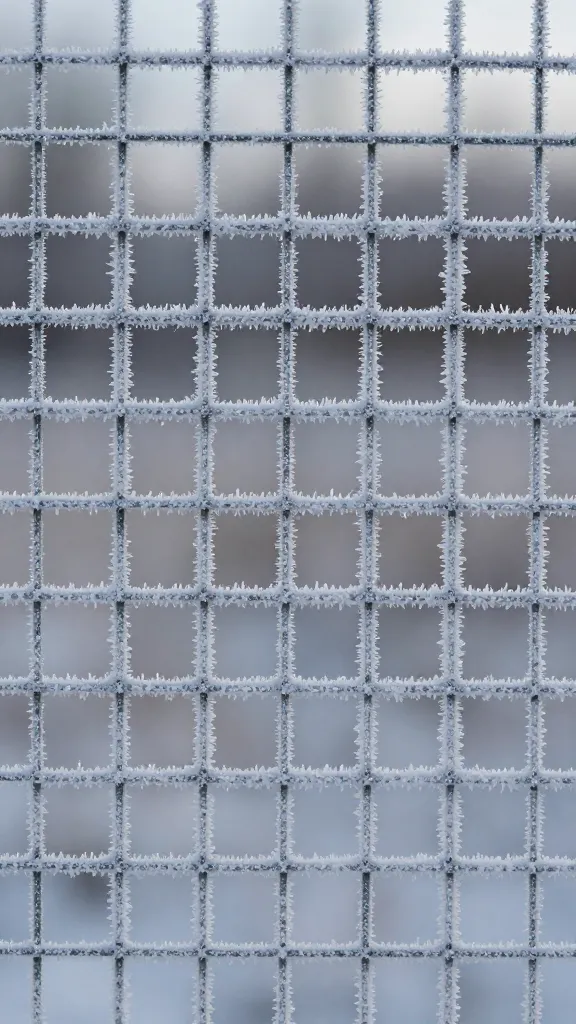
Standard: doors locked by civil twilight — that’s roughly 30 minutes after sunset. In winter, that arrives during commutes. The practical fix is a reliable automatic pop door rated for sub-freezing temps, mounted inside the coop wall to reduce ice binding. If you’re manual, set an alarm 20 minutes before civil twilight and add a red LED headlamp to your coat so both hands are free. I missed the lock by ten minutes once in January; a fox did not.
Hardware Cloth Everywhere It Counts
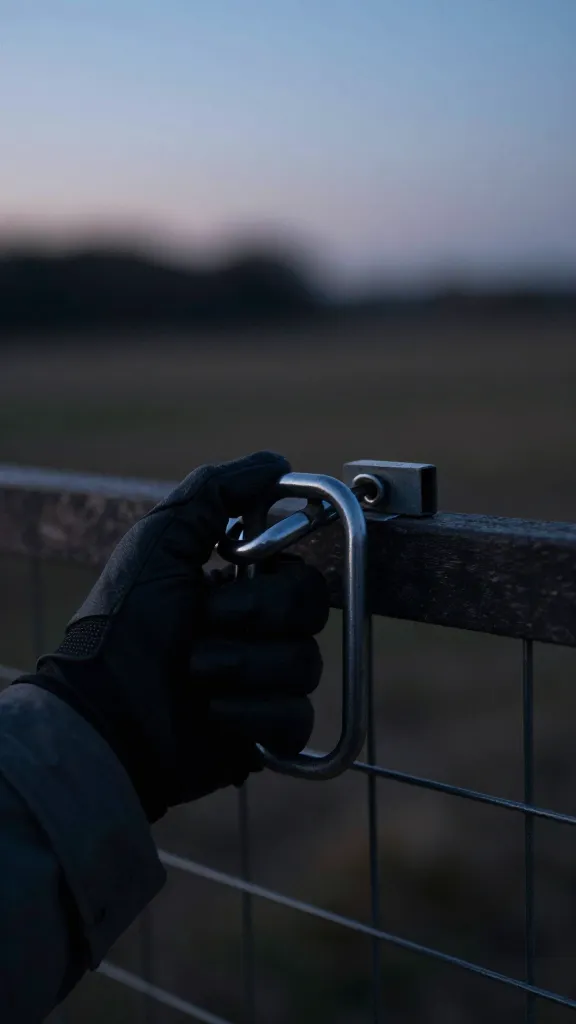
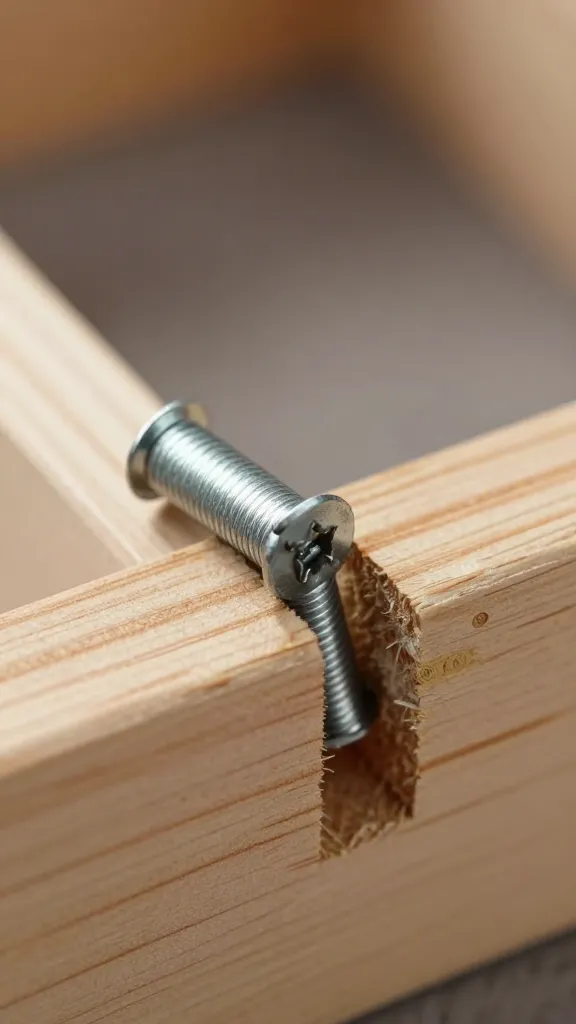
Standard: ½-inch, 19-gauge galvanized hardware cloth for all security; chicken wire for keeping chickens in, not predators out. Cover windows and vents from the inside so pry attempts meet frame, not staples. Attach with 1-inch screws and 1-inch fender washers every 6 inches; staple rows alone are a summer idea, not a winter defense. Overlap seams by at least 2 inches and stitch with 16-gauge wire ties every 4 inches.
Gaps, Doors, and Floors: The Small Openings Predators Use

Standard: no gap larger than ½ inch within the coop envelope. Winter shrink-swell opens seasonal cracks at door frames and rooflines. Add aluminum threshold plates to pop doors to reduce chew points and a brush door sweep rated for outdoor use to close the last ¼ inch. Inside, raise feed off the floor on a 12-inch stand to reduce spillage that draws rodents — rodents invite weasels.
Snow, Ice, and Scent: Managing the Environment Predators Read
Predators follow your tracks; don’t make a weekly path under the run edge. Pile snow to create a 24–30 inch berm outside the run wall — it adds both a visual and physical barrier. Ice slicks are pry multipliers; roughen threshold areas with mineral grit or coarse sand and chip ice off latch plates daily. If you compost, keep it at least 30 feet from the coop and covered; meat scraps in winter are a coyote magnet.
Daytime Free-Range in Winter: If You’re Going to Do It
Standard: supervised only, with line of sight, and a recall plan. Limit windows to midday, 11 a.m.–2 p.m., when nocturnal predators are least active. Provide four mobile shelters per 10 birds (palettes with roofing panels work) spaced 15 feet apart so hens can break a line of sight. Whistles or a shaker of scratch grain conditions recall; bad-weather weeks are not the time to experiment.
Lighting, Cameras, and Deterrents That Actually Help
Standard: passive barriers first; electronics are extras. Motion lights at 6–8 feet over doors help you, not predators — they do little against hunger. A wired or reliable battery camera aimed at the pop door and run gate records the proof you need to fix the right failure. If you use electric poultry netting, keep it at 0.5–1.0 joules minimum, clear 12 inches of snow/grass under the bottom strand, and test weekly.
Routine: The 7-Minute Winter Lockdown
Standard: a fast, repeatable check that closes the common holes. My winter loop takes under ten minutes and prevents the “I thought it was fine” loss:
- By late morning: knock ice from latch plates; verify two-action locks are free-moving.
- Afternoon: sweep snow from run roof; check apron edges for dig attempts; stomp back fill.
- One hour before sunset: top water, pick feed off the floor, close and clip nest box exteriors if any.
- At civil twilight: count heads (know your number), drop the pop door, set two bolts + carabiners.
- After dark: quick light sweep for eyeshine; note tracks for the morning.
Firm opinion, stated once: You can economize on trim wood; you cannot economize on hardware cloth.
What Goes Wrong When Standards Slip
Waiting until full dark to lock up hands predators a 20–40 minute window when chickens are least alert. A single 1-inch gap at a warped door jamb is a weasel door; expect multiple birds lost in one night. Using chicken wire on vents invites raccoons to peel it back; they only need two minutes with a weak staple line. A run without a roof in winter is a hawk buffet when the ground is white — one stoop and a pullet is gone.
Audit Checklist You Can Walk Tonight
- All openings covered in ½-inch, 19-gauge hardware cloth with washers every 6 inches.
- Dig barrier: apron 24 inches out or trench 10–12 inches down, continuous, no gaps at gates.
- Pop door locks by civil twilight — manual alarm set or auto door tested below 20°F.
- Door gaps under ½ inch; sweeps or seals intact; thresholds protected.
- Run roof fully covered; supports spaced 24 inches or less; snow load managed.
- Feed elevated 12 inches; spilled grain removed; compost bin 30+ feet away and closed.
- Two-action latches on all entries, clipped; no single-hook eyes anywhere.
- Tracks in snow noted and barriers reinforced at that line tonight.
Frequently Asked Questions
Why do winter predator attacks increase near dusk?
Short daylight compresses hunting into dawn and the 30–60 minutes around sunset, right when hens settle and stop reacting. Lock the pop door by civil twilight — about 30 minutes after sunset — and set an alarm to beat that window.
What size hardware cloth should I use against winter predator pressure?
Use ½-inch, 19-gauge galvanized hardware cloth for every security opening, seam, and vent. Fasten with 1-inch screws and fender washers every 6 inches and overlap seams by 2 inches; chicken wire is not predator-proof.
How do I stop foxes and coyotes from digging under in frozen ground?
Install a 24-inch-wide hardware cloth apron around the run, secured every 12 inches with landscape staples and covered with soil or gravel. At gates, add a pressure-treated 2×6 sill anchored with 3/8-inch spikes to remove toe-holds.
Will an automatic pop door help with winter predator pressure?
Yes, if it’s reliable in freezing temps and set to close at or before civil twilight. Mount it on the inside face, keep the track clear of ice, and test weekly; still plan to count birds nightly.
What gap size lets weasels in during winter?
Any opening larger than ½ inch is risky; weasels can exploit holes around ¾–1 inch. Seal door edges with a brush sweep and backer rod plus exterior sealant along frames, and cover all vents with hardware cloth.
Does snow help or hurt with winter predator pressure?
Both. It shows you tracks so you can reinforce the right line, but it also creates ramps over low fences and concentrates movement along plowed paths — maintain a 24–30 inch berm outside the run and clear drifts near fences.
Do the right work once
The winter standard is simple: hardware cloth everywhere, doors locked by civil twilight, and no way to dig under. Start tonight with one loop — check for any gap over ½ inch, add a temporary screw and washer fix, and set a daily alarm 30 minutes before sunset.