Livestock Guardian Animals for Small Flocks
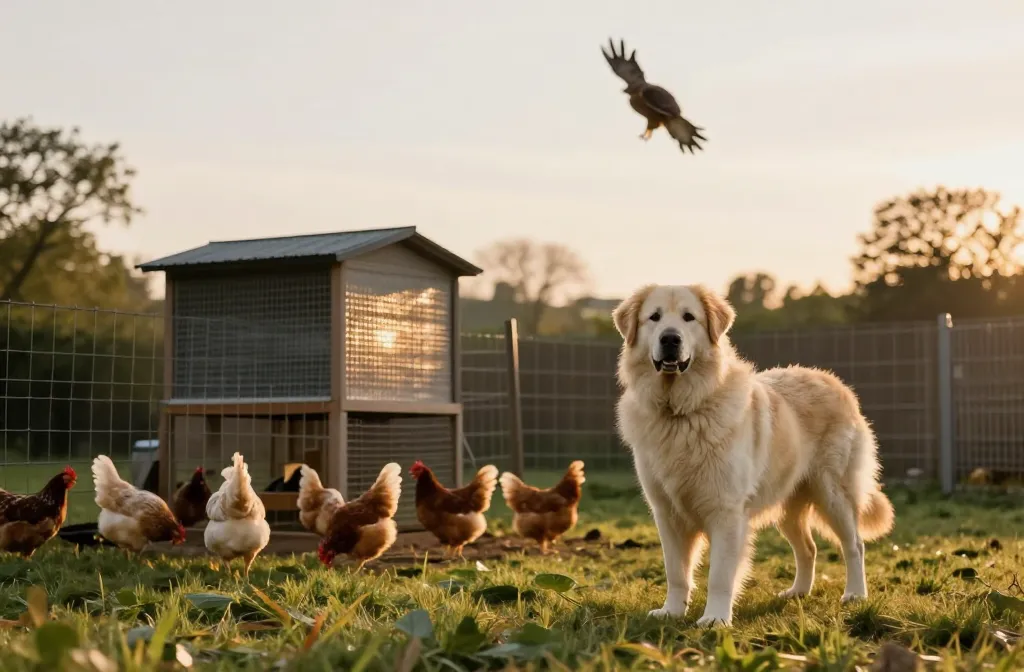
When a raccoon tests your latch at 2 a.m. or a hawk shadows your run at noon, livestock guardian animals are the living layer that meets a predator where a fence can’t. This guide lays out livestock guardian animals for small flocks: which species work, the real space and training they require, and how to pair them with a predator‑proof coop. I have integrated guardians after a fox cleared five pullets in one afternoon; I have also rehomed one that never stopped chasing birds. By the end, you’ll know which guardian fits your yard, your neighbors, and your birds — and exactly how to set it up once, correctly.
Start Here: What a Guardian Must Do for a Small Flock
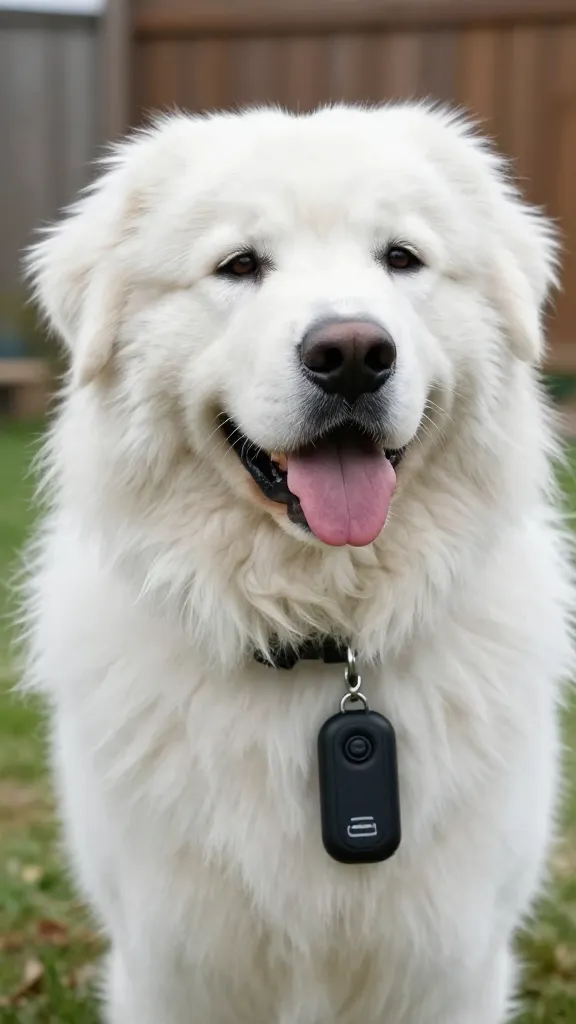
The standard is simple: a livestock guardian animal must reduce predation by disrupting approach and attack across the full 24 hours, without harassing the birds it protects. For a small flock in a backyard, that means continuous presence in the yard, reliable recall or confinement at night, and compatibility with a secure coop made of 1/2-inch hardware cloth on every opening. Give a guardian a defined territory: fenced perimeter 4–6 feet high for dogs and alpacas, tight weft electric netting at 0, 8, 18, and 28 inches for rotational setups, and no aerial access to perches near fence lines. If an animal chases birds for more than the first week of supervised pairing, it’s the wrong match — stop and reassess before habits set.
Livestock Guardian Dogs for Small Flocks
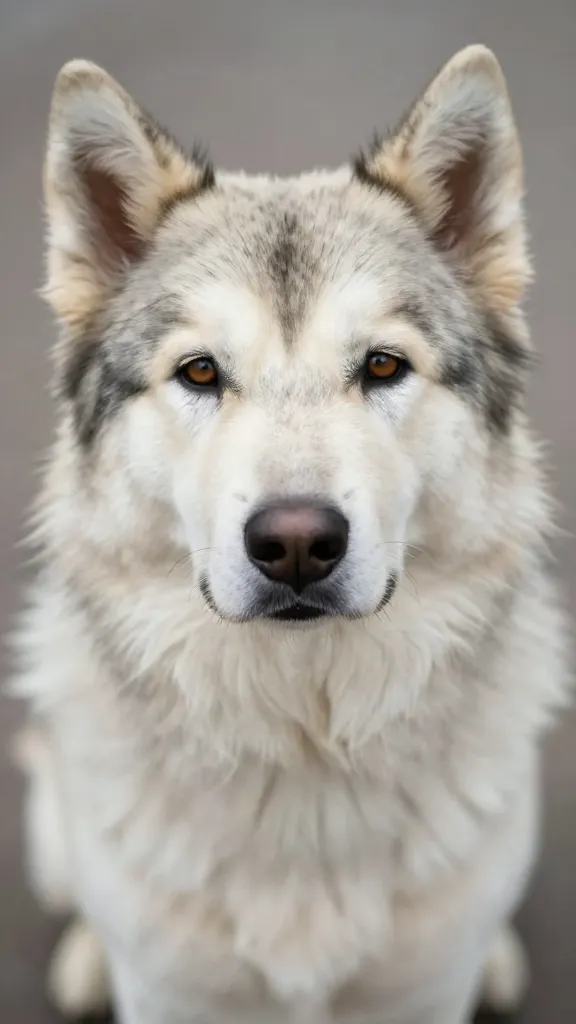
Standard: a true livestock guardian dog (LGD) lives with stock, patrols a fenced yard at least 1/2 acre, and deters night predators with presence, barking, and interception. Method: choose a working-bred LGD breed or cross, under 5 years old, with documented exposure to poultry; avoid herding breeds for this role. Install a 5–6 foot no-climb woven wire fence with locked gates; add electric offset at 10–12 inches inside the fence to stop digging and leaning. Crate and kennel train from day one so you can confine 8–10 hours at night if neighbors or local rules require quiet.
Training sequence: first 7–10 days on-lead inside the birds’ fence twice daily for 20 minutes, rewarding calm sniffing and sit/downs; correct eye-lock and stalking with a firm interrupt and redirection. Next, 2–4 weeks on a 20–30 foot long line in the run perimeter while you’re present; end immediately on any chase. Graduate to off-leash only when the dog ignores flapping at 5–10 feet.
Feed and care: working LGDs need 18–22% protein, 10–15% fat in maintenance feed, body condition score 4–5/9, and fresh water within 25 feet of their lay spots. Plan twice-yearly nail trims, yearly vet exams, and daily fence checks along the dig line. Noise matters: if you have close neighbors or an HOA, expect 3–6 nights of increased barking during wildlife rut or after a predator event.
Donkeys and Small Flocks
Standard: a donkey disrupts canid predators on open ground by braying, advancing, and striking. For a small flock, only consider a jennet or gelded standard donkey on at least 1 acre of mixed pasture; never a jack with poultry. Fencing must be 4–5 foot woven wire, tight to grade; avoid barbed wire next to birds. Integrate by penning birds and donkey with a panel divider for 3–5 days so each learns the other’s movement and sound, then share space under supervision for 2 weeks.
Risks: some donkeys view small, quick animals as intruders. If a donkey pins ears and tracks a chicken at close range twice, end the trial. Winter hoof care at 6–8 week trims and a 1–1.5% bodyweight hay ration are mandatory. Donkeys are best for rural edges facing coyotes and loose dogs; they do nothing for hawks and owls.
Alpacas and Llamas with Chickens
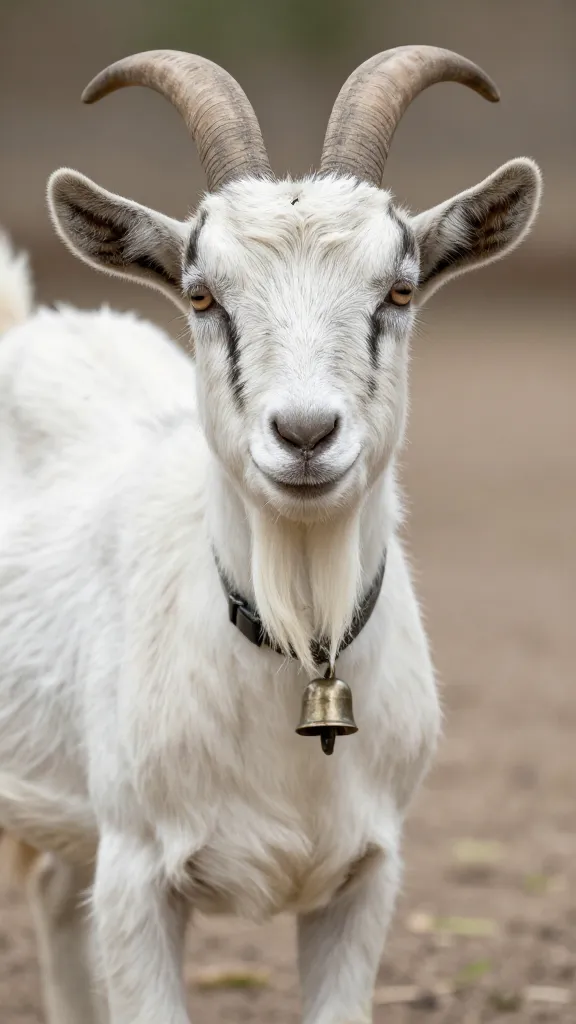
Standard: a single guarded llama (or a bonded alpaca pair) patrols quietly and charges canids; their height helps for day spotting. Yard requirement is 3/4 acre minimum with 4–5 foot field fence. Choose a non-breeding male or calm female; avoid intact males with poultry. Introduce over a two-week supervised window, keeping birds behind a 2×4-inch welded wire panel the first three days while the camelid acclimates.
Care and constraints: shear annually, trim nails every 8–12 weeks, and provide a 3-sided shelter 8×12 feet per animal out of the wind. Camelids deter ground predators; they won’t counter aerial threats. They also guard best when the flock forages near them; if your birds free-range beyond 75–100 feet, protection falls off.
Geese as Daytime Guardians
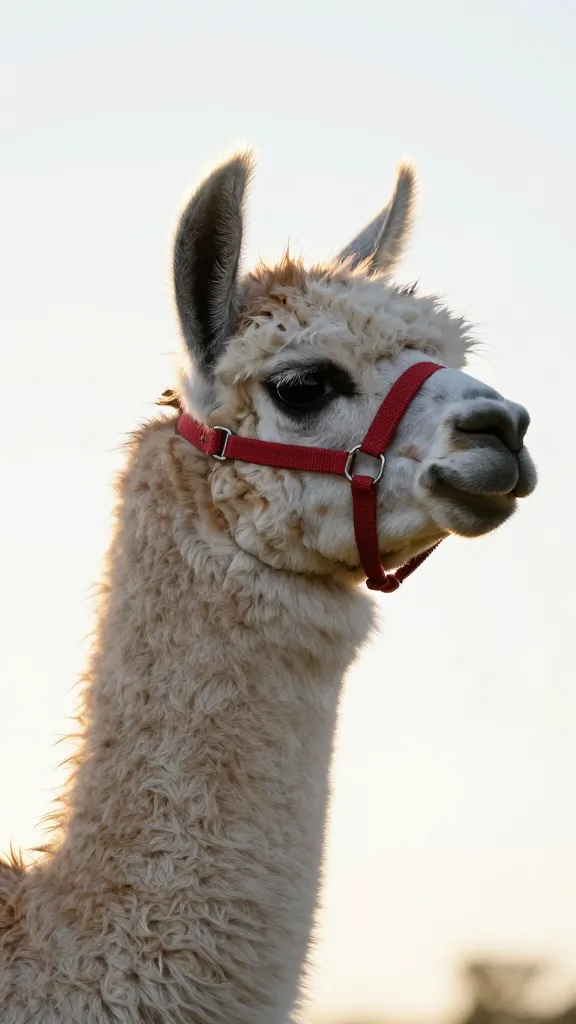
Standard: one to two geese act as alarms and push back on small daytime threats. They are useful on 1/4 acre and up, inside a secure perimeter, paired with a locked coop at dusk. Choose a same-sex pair to avoid breeding aggression. Introduce at 6–8 weeks old with chicks of similar size if possible, or supervise adults for 10–14 days until the peck order stabilizes.
Limits and setup: geese defend territory, not individual hens, and are not active at night. Provide a low tub of water 4–6 inches deep for head dunking and a covered pen at night. Expect seasonal aggression during spring; if a goose grabs a hen more than 2 seconds, separate immediately.
Roosters as Part of the System
Standard: a mature rooster alerts and organizes hens, buying seconds to cover. He is not a standalone guardian. Keep one rooster per 8–12 hens to limit overbreeding damage. Train with a consistent dusk routine so his calling brings hens into the run before lockup; use a solar timer or alarm at the same minute nightly so you don’t miss the window.
Constraints: local rules often prohibit roosters; confirm before you commit. A rooster won’t deter raccoons or foxes and can be injured by them. If he spur-attacks people, rehome; don’t keep a liability in a backyard.
Matching the Guardian to Your Yard and Predators
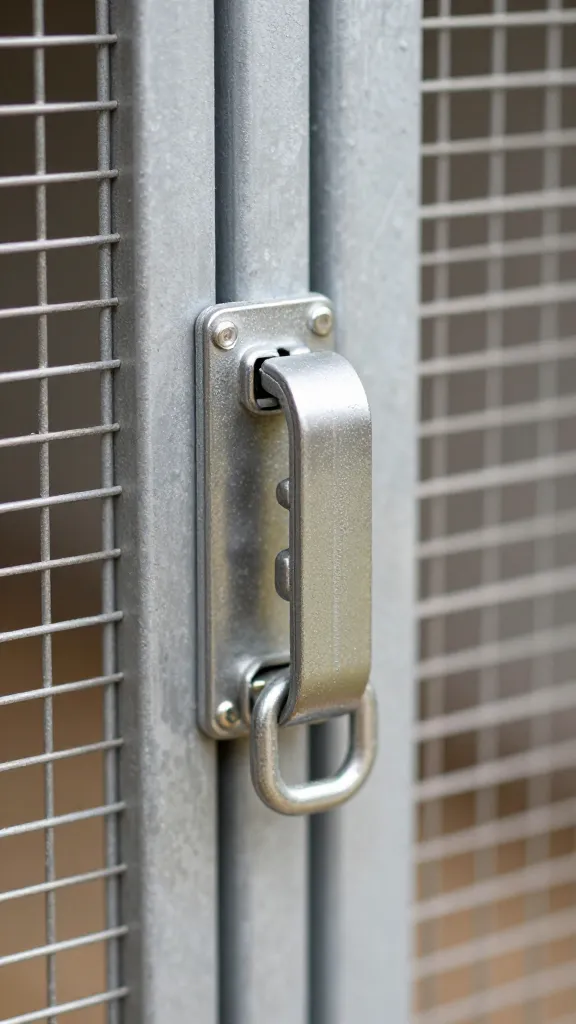
Map your threats first. If you lose birds at night with torn wire or missing heads, you have raccoons or foxes — choose an LGD plus a lock-tight coop. If you see daylight grabs, hawk stoops, or dog incursions, add geese or a camelid and tighten daytime overhead cover. If you hear coyotes 2–4 nights per week, size up to an LGD and harden the fence with two hot strands at 8 and 18 inches. For suburban yards under 1/3 acre, skip hoofed guardians and work a kenneled LGD with supervised yard time or rely on electric netting plus roofed runs.
Integrating Livestock Guardian Animals with Your Coop and Run
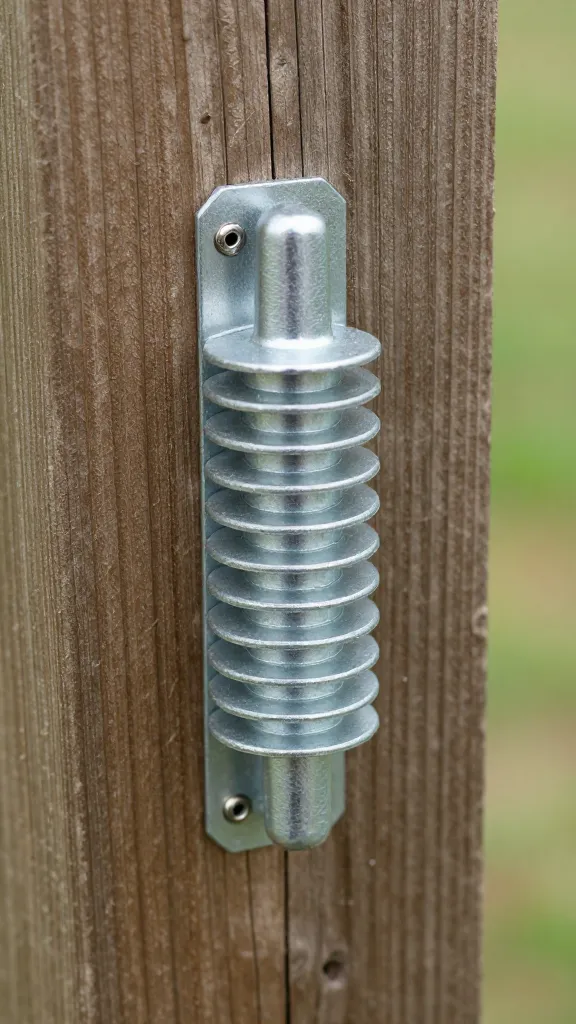
Standard: the coop remains predator-proof even with a guardian on duty. Build the coop with 1/2-inch hardware cloth on all vents and windows, latches that require two actions to open, a solid roof, and a 12-inch dig apron of hardware cloth on all sides. The run should be roofed or netted with premier-grade bird netting tensioned to no more than 2-inch sag between supports, and a door sweep less than 1/2 inch to the threshold. Give the guardian a lay spot within 20 feet of the coop door so it naturally stations where predators test.
Routine: lock birds inside at full dark year-round; release after full light. Walk the fence weekly, repair gaps wider than 2 inches, and test electric at 4,000+ volts.
Training and Management Timelines That Work
LGD: plan a 6–12 week ramp from first exposure to unsupervised work. Donkey/camelid: 2–4 weeks. Geese: 10–14 days. During integration, limit free-range radius to 30–40 feet from the run and provide at least 20% shaded cover via shrubs or shade cloth so birds have places to vanish when alarms sound.
Corrections: interrupt chasing within 1 second every time; never “let them work it out.” Reward calm presence with quiet praise and release. If regression occurs after a predator event, step back one phase for 3–5 days and rebuild success.
Common Fail Points and How to Fix Them
Over-trusting a guardian: leaving the coop unlatched or the run uncovered because “the dog has it” is how you lose birds. Guardian plus hard barrier is the standard. Yard too small: hoofed guardians on under 1/2 acre stress birds and fence. Choose species that fit — geese or a well-managed LGD, or skip living guardians and improve hardware.
Wrong temperament: a chase-prone LGD or aggressive goose rarely reforms after 30 days of consistent work. Rehome early and safely. Night noise: if barking or braying strains neighbor relations, kennel the LGD from 10 p.m. to 6 a.m. and lean on electric netting and coop security for those hours.
Costs, Space, and Maintenance at a Glance
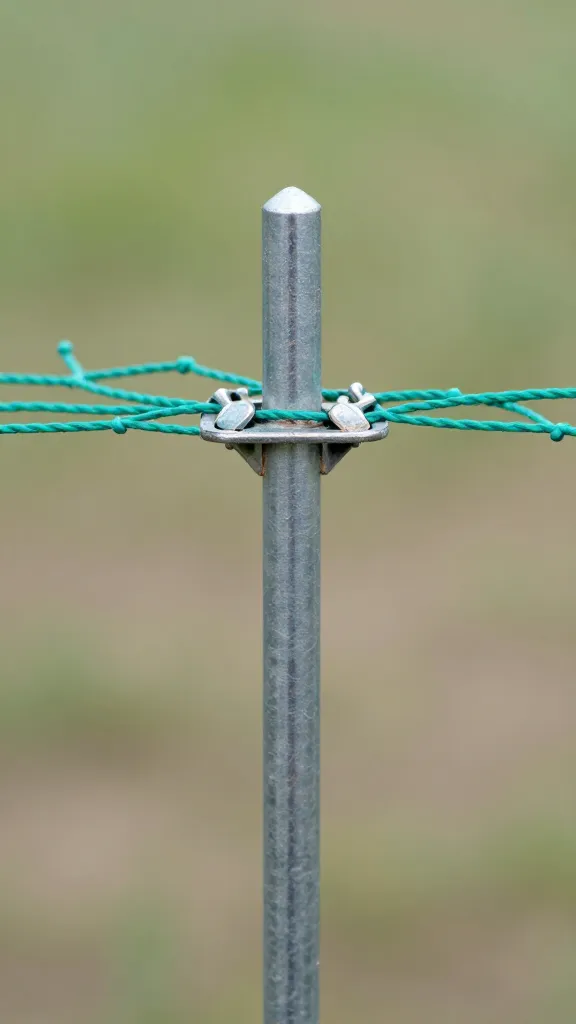
Space: LGD 1/2–2 acres ideal, donkey/camelid 3/4–2 acres, geese 1/4–1/2 acre. Fencing: woven wire 4–6 feet, electric netting panels 164 feet each to ring a small yard; target 4,000–7,000 volts. Ongoing time: LGD 45–60 minutes/day including training early on, hoofed guardians 20–30 minutes/day, geese 10–20 minutes/day with water changes. Budget: geese are under $50 per bird to start; hoofed guardians are mid-cost to acquire and keep; a buy-once splurge is perimeter fence and a quality energizer.
Firm opinion: you can skip a fancy run roof; you cannot skip 1/2‑inch hardware cloth and a hot perimeter when you keep guardians and chickens together.
Frequently Asked Questions
Are livestock guardian dogs good for small flocks in suburban yards?
Yes, if you have a fenced area of at least 1/2 acre and can manage barking with a nighttime kennel routine. Choose a dog raised around poultry and plan 6–12 weeks of integration. Reinforce the yard with 5–6 foot fencing and a hot wire at 10–12 inches.
Do geese really protect chickens from hawks?
Geese don’t hit hawks midair, but they alarm loudly and force hawks to break off low stoops. Pair geese with netted runs or overhead lines spaced 18–24 inches to cut attack angles. Keep a pair and pen everyone by dusk.
Which livestock guardian animals for small flocks work against coyotes?
Livestock guardian dogs are the most reliable on small acreages; a single working LGD and a 5–6 foot woven fence with hot offsets reduce coyote tests dramatically. A guarding llama also helps on 3/4 acre or more, but confirm temperament with poultry first.
Will a donkey hurt my chickens?
Some will. Test behind panels for 3–5 days and supervise for 2 weeks; end the trial if you see ear-pin, tracking, and sudden charges. Use only a jennet or gelded standard donkey on 1 acre+ with tight fencing.
Can a rooster replace a livestock guardian animal?
No. A rooster provides alarms and organizes hens but won’t deter raccoons, foxes, or coyotes. Use one rooster per 8–12 hens as part of a system with a secured coop and, if needed, another guardian.
How do I integrate livestock guardian animals for small flocks without stressing the hens?
Limit free-range to a 30–40 foot radius the first two weeks, add 20% shaded cover, and supervise twice daily. Advance from on-lead to long line to off-leash (for dogs) over 6–12 weeks, and separate immediately if chasing exceeds 1–2 seconds.
Do It Right Once
Guardians work when they’re matched to your yard, fenced correctly, and paired with a coop that would stand on its own. Walk your fence line tonight, count your latches, and choose the one guardian you can support every day this year.